Even a properly specified detectable warning tile can create problems when the installation does not match the product requirements, project drawings, or conditions in the field. Incorrect placement, poor substrate preparation, altered dome layouts, improper fastening, and problems with the surrounding concrete can all affect the finished warning surface.
Many of these issues are preventable. Successful detectable warning tile installation starts with confirming the correct system for the application, resolving layout details before work begins, and following the manufacturer’s instructions through installation and final inspection. The specific requirements will vary by product, substrate, project type, and governing accessibility criteria, so the installation method should never be treated as one-size-fits-all.
Why Installation Quality Matters
A compliant product does not automatically produce a compliant installation. The completed detectable warning surface also needs to match the required location, dimensions, orientation, visual contrast, and other project criteria. Installation quality can affect finished elevation, attachment, drainage, appearance, and how the surface performs once the area is open to pedestrian traffic.
That makes installation a quality-control issue from layout through closeout. Checking the work at key stages is considerably easier than correcting a warning surface after concrete has cured or a surface-applied system has been fully anchored.
Common Detectable Warning Tile Installation Mistakes
Mistake 1: Treating Wet-Set and Surface-Applied Systems the Same
Wet-set tiles are installed in fresh concrete; surface-applied tiles are anchored to cured material. The sequence, tools, fastening, and quality-control checks are therefore different. Contractors should confirm the exact product and installation method before work begins and use the current manufacturer instructions for that system. Substituting field habits from another product can create preventable problems.
Choosing the installation method should begin with the construction condition, not installer preference. New concrete generally creates an opportunity for a wet-set system, while an existing sound substrate may be appropriate for a surface-applied product. Projects containing both conditions may even use different installation methods in different areas. Identifying those conditions early helps ensure the correct products, quantities, tools, and installation details reach the jobsite.
Mistake 2: Starting Without Confirming Layout and Placement
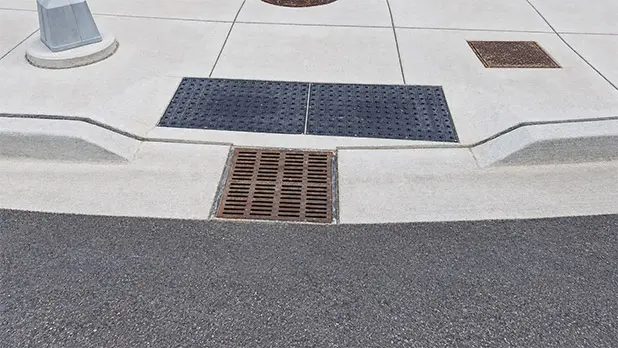
Before concrete placement or drilling begins, verify tile size, orientation, limits of the detectable warning area, curb geometry, expansion joints, and required offsets. Radius curb ramps deserve particular attention because the pattern must follow a curve without creating an improvised or inconsistent dome layout. Resolving the tile configuration and dome pattern against the plans and field dimensions before material is cut or permanently installed can prevent costly corrections later.
Mistake 3: Poor Surface Preparation on Retrofits
Surface-applied systems depend on the condition of the existing substrate. Dirt, curing compounds, loose material, standing moisture, significant surface defects, or an unsuitable base can interfere with anchoring and sealant performance. Existing concrete should be evaluated and prepared according to the manufacturer’s instructions. Where installation over asphalt is permitted for the selected system, use the anchoring method specified for that substrate rather than assuming hardware intended for concrete is interchangeable. A surface-applied tile should not be used to conceal a substrate condition that first requires repair.
Mistake 4: Ignoring Finished Elevation and Edges
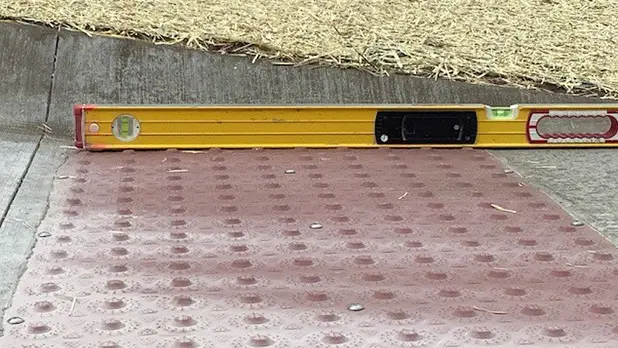
The transition between the tile and the surrounding walking surface deserves close attention during installation. The finished system should sit at the intended elevation without unintended lips, rocking, gaps, or abrupt edge conditions. Surrounding pavement that is rough, uneven, deteriorated, or heavily jointed can also affect how clearly the tactile surface is distinguished from its surroundings.
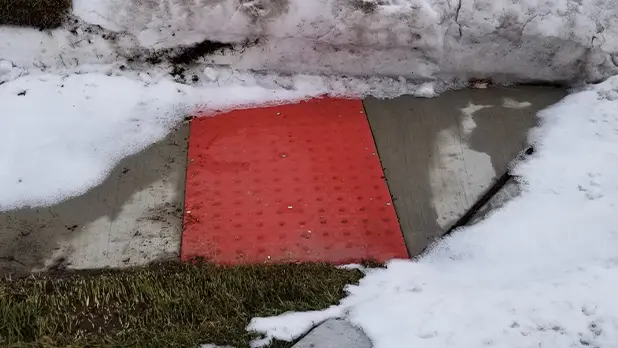
Wet-set tiles need to be seated correctly in the fresh concrete, while surface-applied tiles need consistent contact with the substrate and properly installed fasteners. Edge conditions deserve particular attention in high-traffic areas where snow-removal equipment, carts, or other maintenance equipment may contact the surface.
Mistake 5: Improvising Fasteners, Sealants, or Drilling
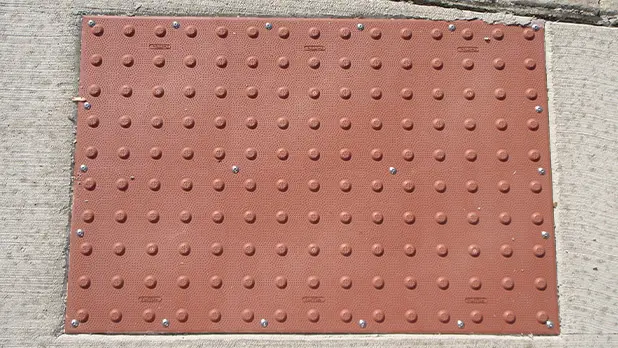
Surface-applied systems are engineered around specific anchors, hole sizes, drilling depths, and sealants. TufTile supplies installation components for its systems, and its surface-applied kits include items such as drive pins, a carbide bit, and sealant. Using unapproved substitutions may change pullout performance, corrosion behavior, or edge sealing. Follow the current installation instructions for the specific product rather than substituting hardware, drilling methods, or sealants simply because they are available on site.
Mistake 6: Forgetting the Surrounding Concrete
For wet-set installations, the tile is only one component of the finished ramp or walkway. Concrete consolidation, finishing, curing, slopes, joints, and drainage still matter. TufTile’s flat-back wet-set design allows concrete to be consolidated beneath the tile without molded cavities on the back, but the installer still needs to properly place, consolidate, and finish the surrounding concrete. Foot traffic should wait until the concrete has cured as directed by the concrete manufacturer.
Build Installation Review Into the Project
Installation review should happen at more than one point in the process. Before work begins, confirm the product, layout, substrate or concrete condition, and current installation instructions. During installation, check orientation, alignment, edge conditions, fastening or embedment, and any project-specific details. Before closeout, compare the finished warning surface with the drawings and applicable requirements.
Installation mistakes become considerably more difficult to correct once the work is permanent. Resolving an unclear radius, questionable substrate, misplaced tile, or incompatible component before drilling or concrete placement is far easier than correcting it afterward. Building those checks into the work helps protect the accessibility, appearance, and serviceability of the completed detectable warning surface.