When a building-product manufacturer controls more of the process behind its products, the impact can extend beyond the factory floor. Engineering changes, tooling, production, finishing, quality control, inventory, technical questions, and shipping all involve handoffs—and each handoff can affect consistency and responsiveness.
TufTile operates as a vertically integrated manufacturer, bringing several of those functions together within its Lake Zurich, Illinois, operation. For specifiers and contractors, the value of that model is less about the term vertical integration itself and more about what direct control can mean for product quality, coordination, and project support.
What Vertical Integration Means in Manufacturing
Vertical integration describes a business model in which multiple stages of creating and delivering a product are controlled within the same organization rather than distributed among unrelated suppliers.
In building product manufacturing, those stages can include:
- Engineering
- Tooling
- Forming or molding
- Production
- Finishing
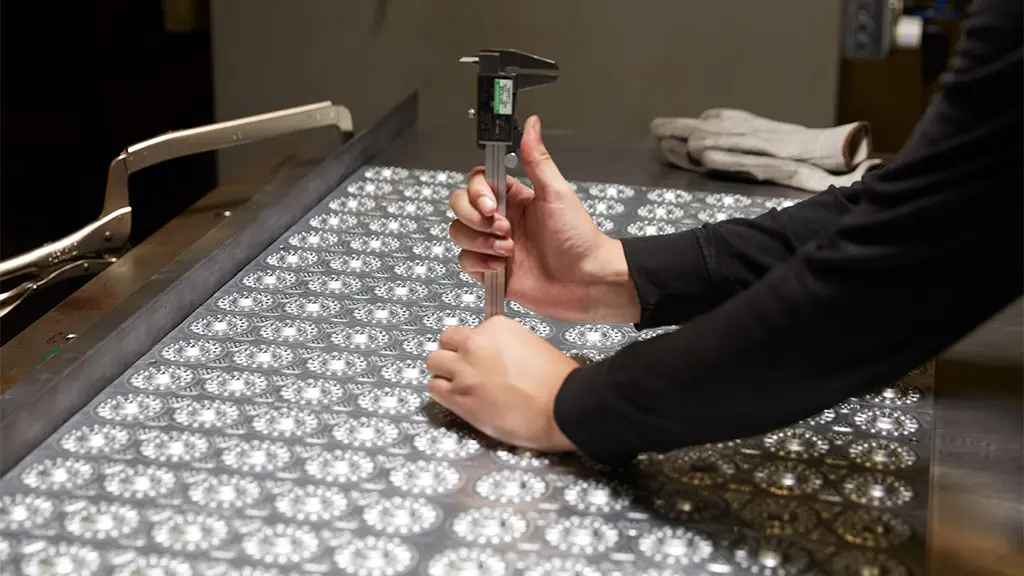
- Quality control
- Warehousing
- Shipping
The exact level of integration varies among manufacturers, which is why the phrase is most useful when paired with specific information about the processes a company actually controls.
Why Process Control Matters
Every external handoff introduces another variable.
Drawings can be interpreted differently, production schedules can become disconnected, materials or finishes can vary, and quality issues may take longer to trace back to their source.
Bringing key operations together can make it easier to establish repeatable processes and communicate changes among engineering, manufacturing, finishing, inventory, and customer-support teams.
Vertical integration does not guarantee quality on its own. It creates an organizational structure that can support stronger manufacturing quality control when the underlying processes are managed effectively.
TufTile’s Manufacturing Model
TufTile operates from Lake Zurich, Illinois, and describes its manufacturing model as vertically integrated.
Its internal capabilities include engineering, tooling, manufacturing, warehousing, shipping, and powder coating. That allows multiple stages of product development and fulfillment to remain within one organization.
For a customer, the practical advantage is a more direct connection among the teams responsible for designing, producing, finishing, stocking, and supporting the product.
In-House Powder Coating: A Practical Example
Finishing provides a clear example of what vertical integration can mean in practice.
When powder coating is outsourced, production schedules and finish quality depend partly on an external vendor. TufTile performs powder coating in-house using a process that includes multi-stage pretreatment with a zirconium rinse followed by powder application.
Keeping finishing within the manufacturing operation allows TufTile to coordinate color and finish work directly with production and shipping while maintaining internal oversight of the process.
Potential Benefits for Responsiveness
Construction schedules do not always proceed exactly as planned. Quantities change, field conditions emerge, substitutions are considered, and technical questions need answers.
When engineering, production, finishing, warehousing, and support functions are closely connected, there are fewer organizational boundaries between the project question and the people responsible for the product.
That does not mean vertical integration guarantees immediate availability or eliminates lead times. Demand, product configuration, quantities, and project specifics still matter.
Its advantage is the ability to coordinate those variables within the same manufacturing organization.
Product Development and Field Feedback
Vertical integration can also shorten the distance between field experience and product development.
Installation questions, contractor feedback, warranty observations, or recurring project conditions can be communicated back to engineering and production teams. That information can inform changes to tooling, anchoring, packaging, instructions, or product configurations without requiring the same chain of coordination among unrelated vendors.
For specialized accessibility products, that connection between manufacturing and field use can be particularly valuable.
Quality Still Requires Systems
Owning more stages of production does not eliminate the need for specifications, testing, inspections, trained personnel, documentation, traceability, and continuous improvement.
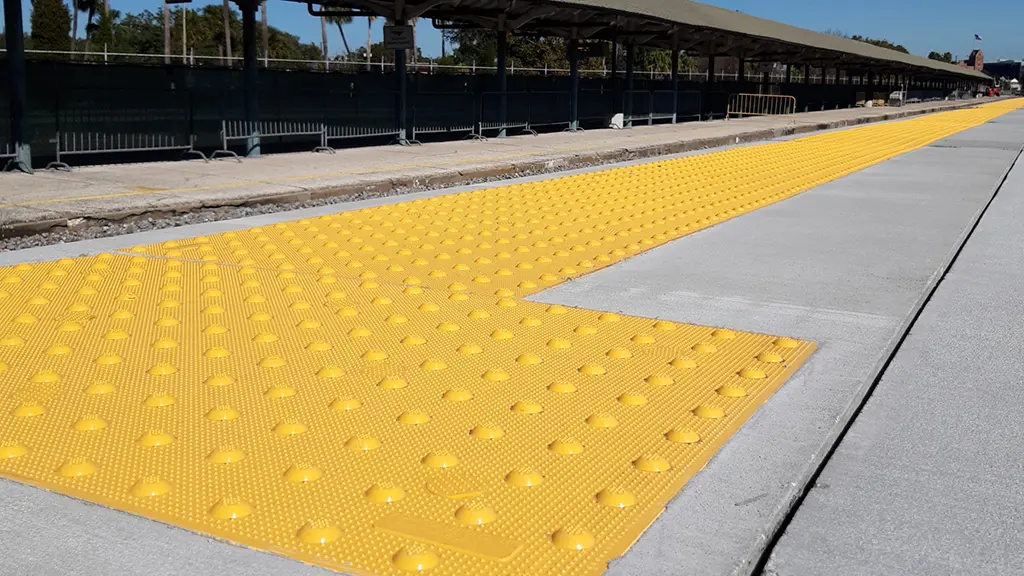
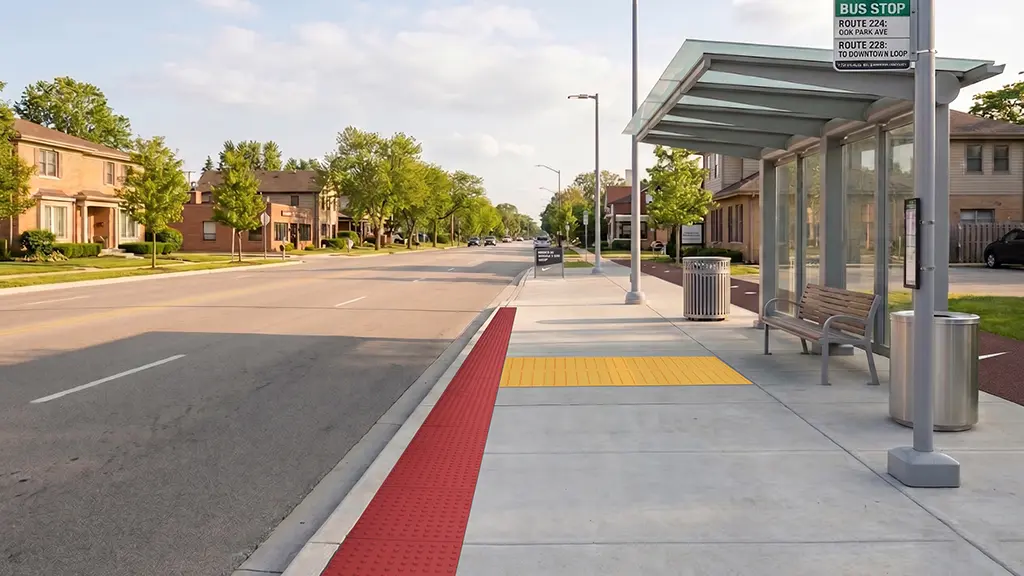
Detectable warning and tactile wayfinding products need consistent geometry, materials, finishes, visual characteristics, attachment, and technical documentation regardless of the manufacturer’s organizational structure.
Vertical integration is therefore best understood as an opportunity for control, not a substitute for quality systems.
Specifiers should still evaluate current product data, warranties, samples, certifications where applicable, installation documentation, and project requirements.
Why Vertical Integration Matters to Project Teams
Different members of the project team can experience the benefits in different ways.
For Specifiers
A vertically integrated manufacturer can provide a more direct line for product data, configuration questions, material information, and technical support.
For Contractors
Coordination among product, finishing, installation information, and fulfillment can reduce uncertainty when questions arise during procurement or construction.
For Owners and Municipalities
Consistent production, product records, and future replacement availability can matter when a tactile system will be maintained across many locations or over a long service life.
Ultimately, TufTile’s vertically integrated manufacturing advantage is not simply that more work happens under one roof. It is that engineering, manufacturing, finishing, inventory, and support can operate as connected parts of the same product system—from initial specification through delivery and long-term use.