

Best Detectable Warning Tiles for High-Traffic Areas
Detectable warning tiles in high-traffic pedestrian environments must meet accessibility requirements while withstanding repeated foot traffic, mobility devices, maintenance equipment, and environmental exposure.
The best detectable warning tiles for these applications depend on more than material strength. Installation method, wear resistance, maintenance needs, and replaceability all influence long-term performance.
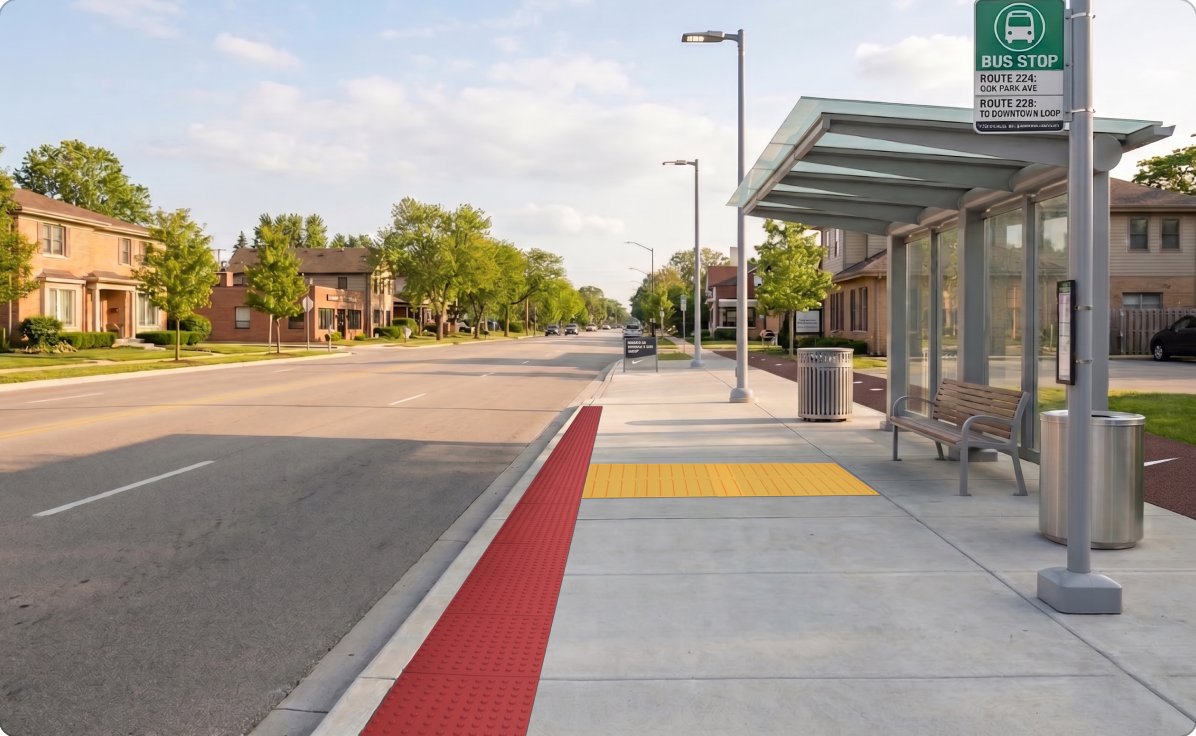
What Makes a Detectable Warning Tile Suitable for High-Traffic Use?
Heavy-duty performance depends on how the complete detectable warning tile system withstands the conditions of its installation. Key considerations include:

Material durability – Ability to withstand repeated pedestrian and equipment traffic
Impact resistance – Resistance to damage from carts, maintenance equipment, snow removal, and other impacts
Environmental resistance – Performance when exposed to moisture, temperature changes, UV radiation, chemicals, or deicing materials
Secure installation – A system designed to maintain a strong connection with the surrounding walking surface
Wear resistance – Ability to maintain the truncated dome profile and warning surface over time
Maintenance requirements – How the surface will be cleaned, inspected, repaired, and maintained
Replaceability – Whether damaged or worn components can be replaced without extensive surrounding concrete work
Where Are Heavy-Duty Detectable Warning Tiles Commonly Used?
Heavy-duty detectable warning tiles are commonly considered for pedestrian environments with high traffic volumes or demanding operating conditions, including:

Transit and rail stations

Busy urban curb ramps and pedestrian crossings

Airports and transportation centers

Municipal and government facilities

Educational and institutional campuses

Commercial and mixed-use developments

Public plazas and other heavily traveled pedestrian areas
Traffic volume isn't the only factor. Outdoor installations exposed to snowplows, freeze-thaw cycles, moisture, or deicing materials may face greater demands than busier locations in protected environments.
Comparing Detectable Warning Tile Materials for High-Traffic Areas
Galvanized steel, cast iron, and polymer can all be used for detectable warning applications, but each offers different characteristics that may influence its suitability for a high-use environment.
Product configurations vary. Always review the specifications for the individual product and project before selection.
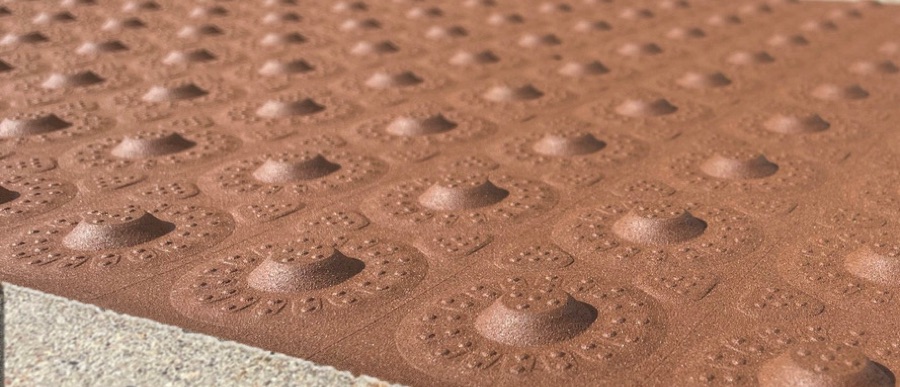
Galvanized Steel Detectable Warning Tiles
Galvanized steel combines strength and corrosion protection for demanding outdoor applications. TufTile's G90 galvanized steel tiles are available with an in-house powder-coated finish designed for UV resistance and slip-resistant performance, along with installation options for new construction, retrofits, and replaceable systems.
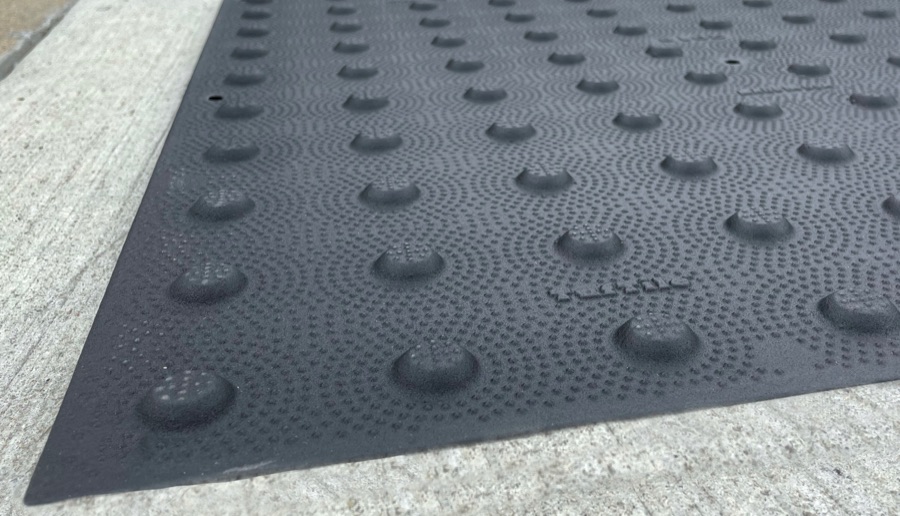
Cast Iron Detectable Warning Tiles
Cast iron offers substantial strength and durability for demanding public infrastructure applications. Its weight, natural finish, and long-term performance characteristics make it an option for projects where wet-set installation is appropriate.
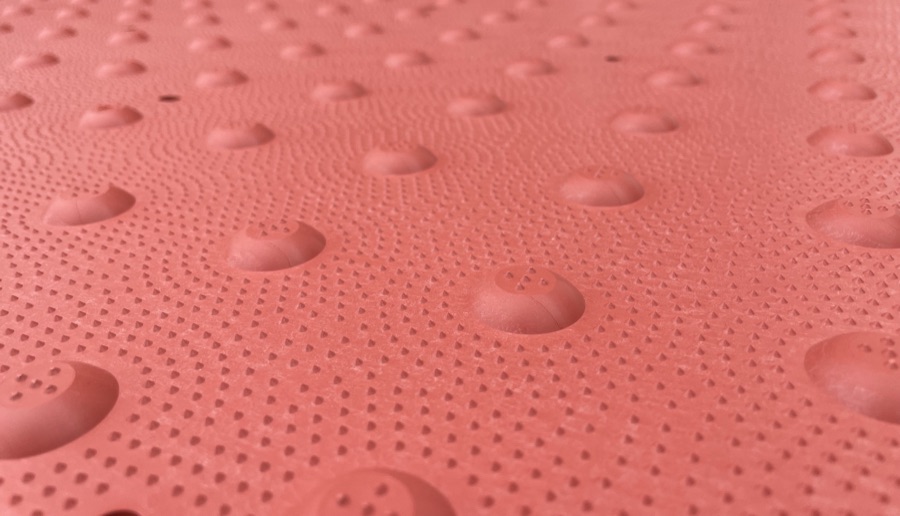
Polymer Detectable Warning Tiles
Polymer provides a lightweight, non-metallic alternative available in multiple colors and configurations. Depending on the product, it can offer resistance to weather, UV exposure, and chemicals, although suitability for demanding applications should be evaluated against project-specific conditions.
Installation Method Can Be Just as Important as Material
Choosing a durable material is only part of creating a durable detectable warning installation. The way the tile is integrated with the walking surface can have a significant effect on long-term performance.

Wet-Set Systems
Wet-set tiles are installed during concrete placement, making them suitable for new construction, reconstruction, and projects involving newly poured concrete.

Surface-Applied Systems
Surface-applied tiles are installed on existing walking surfaces for retrofit projects. Long-term performance depends on proper surface preparation, fastening, sealing, and installation according to manufacturer specifications.

Replaceable Systems
Replaceable systems allow individual tiles to be removed without replacing the surrounding concrete, potentially simplifying future maintenance and reducing disruption in high-use locations.
Anchoring & Concrete Contact Influence Long-Term Performance
The connection between a detectable warning tile and the surrounding concrete plays an important role in long-term durability.
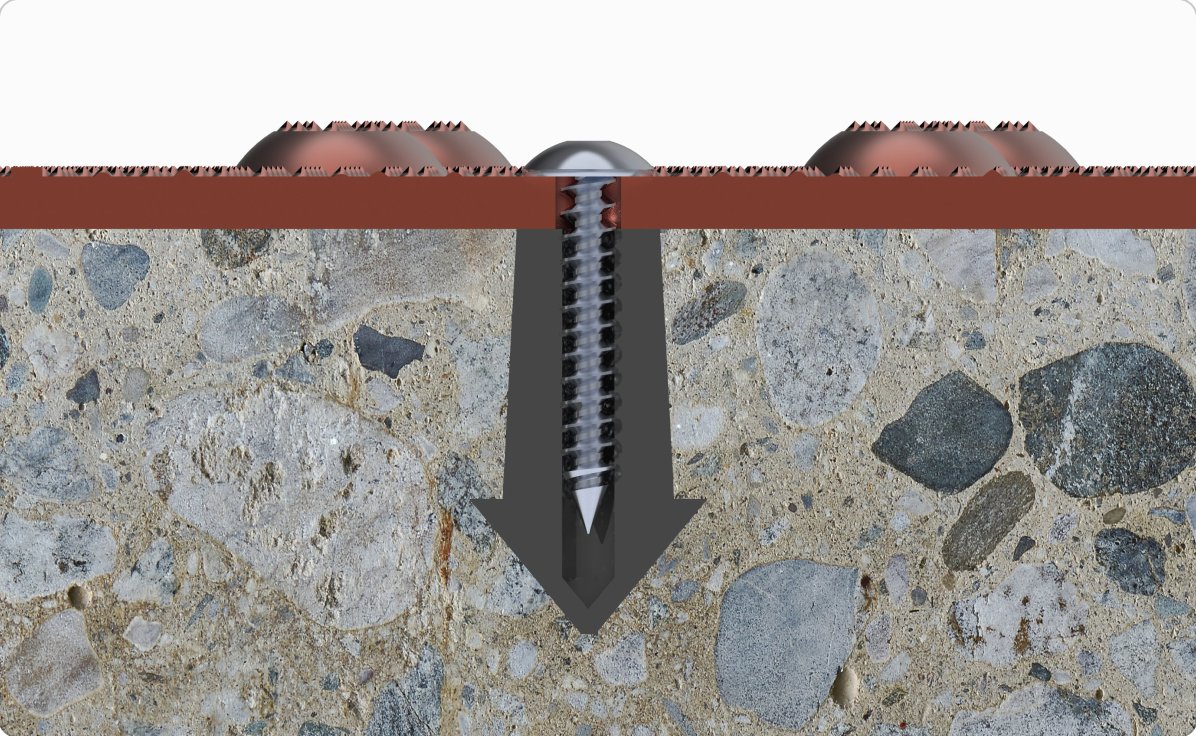
TufTile's Avoid the Void philosophy emphasizes flat-back tile design to promote more complete contact with the concrete. This helps minimize trapped air and moisture pockets that can compromise installation quality and long-term performance.
For demanding applications, anchoring design and concrete contact deserve consideration alongside material strength.
Avoid the Void: Why Anchoring Systems Matter for Long-Term Performance
Environmental Exposure Can Be as Demanding as Foot Traffic
Outdoor detectable warning tiles must withstand environmental conditions that can be just as demanding as heavy pedestrian traffic, including:

Freeze-thaw cycles

Snow and ice

Snow removal equipment

Deicing materials

Standing water and moisture

Temperature extremes

UV exposure

Cleaning products and other chemicals
Plan for Maintenance, Repair & Replacement
Even heavy-duty detectable warning tiles require ongoing inspection and maintenance. Over time, project teams should monitor for:
Damaged or excessively worn truncated domes
Loose or damaged tiles
Changes in the surrounding pavement
Debris accumulation
Reduced visual contrast
Damage caused by maintenance or snow-removal equipment
How to Evaluate Detectable Warning Tiles for a High-Traffic Project
-
 Project Environment
- How much pedestrian traffic is expected?
- Will carts, wheelchairs, maintenance equipment, or other rolling loads regularly cross the surface?
- Is the installation indoors, outdoors, or partially protected?
-
Climate & Exposure
- Will the tile experience freeze-thaw cycles?
- Will snow-removal equipment or deicing materials be used?
- What moisture, UV, chemical, or temperature exposure is expected?
-
Installation
- Is this new construction or an existing surface?
- Which installation methods are appropriate for the project?
- How will the tile connect with the surrounding surface?
-
Lifecycle
- How will the warning surface be inspected and maintained?
- Can damaged tiles be repaired or individually replaced?
- What warranty coverage is available?
- What level of disruption would future replacement require?
-
Project Requirements
- Does the product meet applicable accessibility requirements?
- Are there agency, municipal, owner, or project-specific specifications?
- Is supporting technical documentation readily available?
So, What Are the Best Detectable Warning Tiles for High-Traffic Areas?
There is no single detectable warning tile that's best for every high-traffic environment. The strongest choice is a complete system that meets applicable accessibility requirements while addressing expected traffic, environmental exposure, installation conditions, maintenance needs, and long-term performance.
For particularly demanding applications, galvanized steel and cast iron may warrant strong consideration because of their strength and durability. Polymer can also be appropriate depending on product specifications and project conditions.
Learn More About TufTile Detectable Warning Tile Solutions
See how TufTile’s Complete Tactile Surface System works across different pedestrian environments with our Interactive Streetscape tool.

Need a Detectable Warning System for a Demanding Application?
Compare TufTile materials, installation methods, and product configurations to find an option suited to your project's performance requirements.
Frequently Asked Questions
There is no single best option for every high-traffic environment. Material durability, installation method, environmental exposure, maintenance, replaceability, accessibility requirements, and project specifications should all be considered when selecting a detectable warning system.
Heavy-duty performance can involve several characteristics, including material strength, impact and wear resistance, environmental resistance, secure installation, and the ability to withstand expected pedestrian and maintenance activity over time.
Galvanized steel and cast iron offer strength and durability that can make them strong candidates for demanding applications, but material alone does not determine whether a product is appropriate. Installation conditions, environment, maintenance requirements, specifications, and other project factors should also be evaluated.
Polymer detectable warning tiles may be suitable for many high-use applications depending on the particular product and project conditions. Review the manufacturer's specifications along with anticipated traffic, environmental exposure, installation method, and maintenance expectations.
They can be. In locations where long-term wear or damage is a concern, replaceable systems can allow individual tiles to be replaced without removing large areas of surrounding concrete. Whether a replaceable system is appropriate depends on the project's construction and maintenance requirements.
Disclaimer: ADA and accessibility requirements may vary by jurisdiction, agency, and project and are subject to change. This content is provided for general educational purposes only. Always confirm current federal, state, local, agency, and project-specific requirements before specifying or installing detectable warning products.