

Avoid the Void: Why Anchoring Systems Matter for Long-Term Performance
When evaluating detectable warning tiles, project teams typically consider factors such as installation method, material, durability, maintenance requirements, ADA compliance, and project specifications. While each of these plays an important role, one of the most influential aspects of long-term performance is something you'll never see after the tile is installed.
What happens beneath detectable warning tiles can affect installation durability, moisture resistance, long-term stability, and overall lifecycle performance. That's the thinking behind TufTile's “Avoid the Void” philosophy: an engineering approach focused on promoting better concrete contact and helping reduce hidden air pockets beneath the tile.
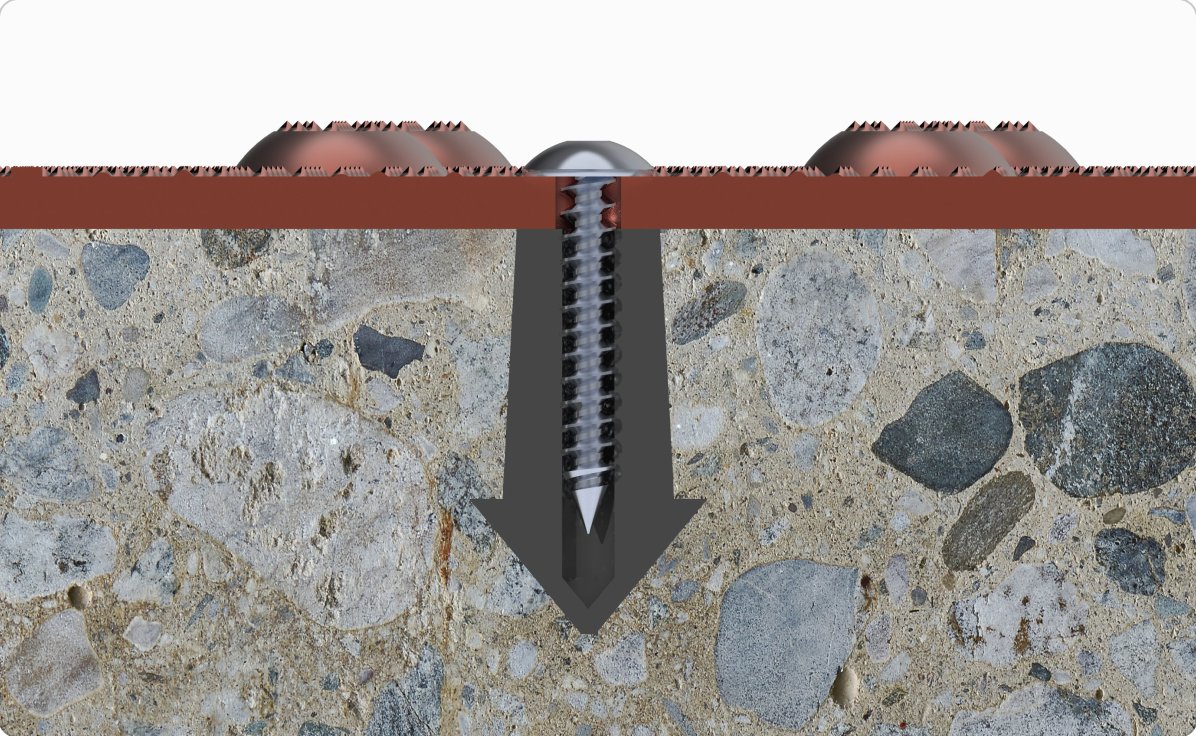
What Is Avoid the Void?
Avoid the Void is TufTile's design philosophy centered on promoting more complete concrete contact beneath detectable warning tiles. By helping minimize pockets of trapped air and moisture, TufTile’s flat-back design supports a stronger bond between the tile and surrounding concrete while contributing to long-term installation durability.
Why Detectable Warning Tile Installation Durability Starts Below the Surface
Long-term detectable warning tile performance is influenced not only by the visible warning surface, but also by the quality of the installation and the connection between the tile and surrounding concrete.
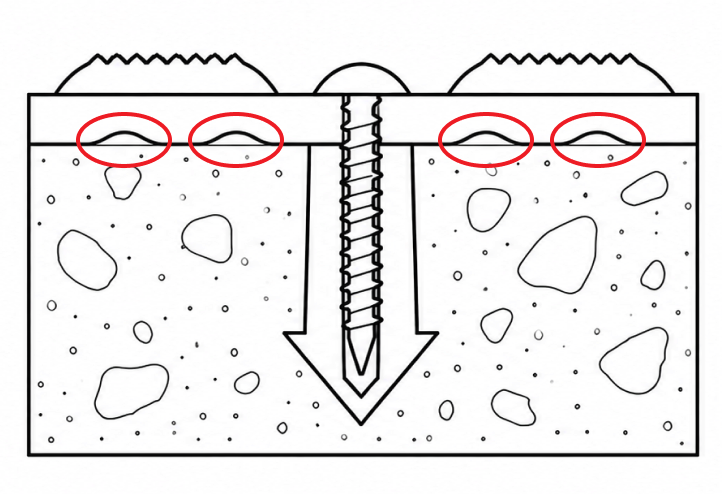
When portions of a tile aren't fully and properly supported by concrete, small voids or air pockets may remain trapped beneath it after installation. Over time, these hidden gaps can allow moisture to collect, reduce support beneath the tile, and contribute to conditions that may affect long-term performance.
While proper installation practices are always essential, product design also plays an important role in promoting a strong, durable connection between the tile and the concrete.
The Problem: Hidden Voids Beneath Detectable Warning Tiles
A void is an area where part of the back of a detectable warning tile is not in complete contact with the surrounding concrete. These spaces can contain trapped air or moisture, reducing the amount of concrete supporting the tile after installation.
Although voids aren't visible once the concrete cures, they can influence long-term installation durability, particularly in environments exposed to heavy pedestrian traffic, moisture, freeze-thaw cycles, or ongoing maintenance activities.
The TufTile Approach: Avoid the Void Through Thoughtful Anchoring System Design
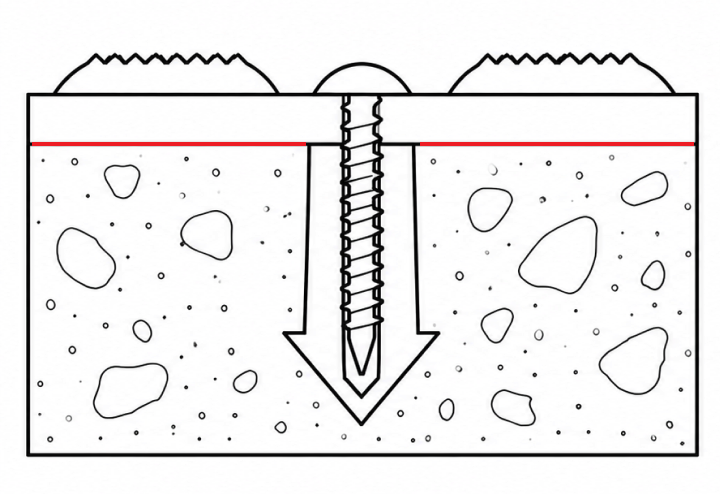
TufTile's detectable warning tile systems are engineered with a flat back design that promotes more complete contact between the tile and the surrounding concrete during installation.
Rather than creating pockets where air or moisture may become trapped, the flat back design helps concrete consolidate more evenly beneath the tile. This approach supports a stronger bond between the concrete and the tile while helping minimize the potential for hidden voids.
Flat back design
Hidden voids
How Void Prevention Supports Long-Term Lifecycle Performance
A detectable warning tile is expected to perform for years—often decades—in demanding outdoor environments. That's why installation durability is just as important as the visible warning surface.
By helping promote better concrete contact and a stronger bond between the tile and surrounding concrete, void prevention supports several long-term performance goals, including:
-
 Improved installation stability
-
Better resistance to moisture intrusion
-
Reduced potential for freeze-thaw-related issues
-
Enhanced long-term durability
-
Greater confidence in lifecycle performance
Rather than focusing on one component of the system, TufTile's Avoid the Void philosophy considers how product design and installation work together to support long-term performance.
- Better Concrete Contact
- Stronger Bond
- Improved Stability
- Long-Term Performance
Where Void Prevention Matters Most
While proper installation is important for any project, reducing hidden voids becomes especially important in demanding environments where long-term durability and performance are a priority, such as:

Municipal sidewalks and curb ramps

Transit platforms and stations

Streetscape improvement projects

High-traffic pedestrian areas

Regions that experience repeated freeze-thaw cycles
Looking Beyond the Surface
Choosing detectable warning tiles involves more than comparing materials or installation methods. The engineering details beneath the visible warning surface can also influence how the system performs over time.
TufTile's Avoid the Void philosophy reflects a simple idea: helping promote better concrete contact during installation supports stronger, longer-lasting installations. By considering anchoring system design alongside materials, installation methods, and maintenance planning, project teams can make more informed decisions about long-term performance.
Learn More About TufTile Detectable Warning Tile Solutions
See how TufTile’s Complete Tactile Surface System works across different pedestrian environments with our Interactive Streetscape tool.

Looking for a Detectable Warning Tile System Designed for Long-Term Performance?
Learn how TufTile's engineered designs, durable materials, and Avoid the Void philosophy help support reliable installations in demanding pedestrian environments.
Frequently Asked Questions
Avoid the Void is TufTile's design philosophy centered on promoting better concrete contact beneath detectable warning tiles to help minimize hidden air pockets and support long-term installation performance.
Hidden voids beneath a detectable warning tile can reduce concrete support and allow moisture to collect. Helping minimize these voids supports installation durability and long-term lifecycle performance.
A flat back design promotes more complete contact between the tile and surrounding concrete during installation, helping concrete consolidate more evenly beneath the tile and reducing the potential for hidden voids.
Absolutely. Product design and installation quality work together. Even the best-designed detectable warning tile system should be installed according to manufacturer recommendations and project specifications.
Any detectable warning tile installation can benefit from improved concrete contact, but the concept is especially important for municipal infrastructure, transportation facilities, high-traffic pedestrian areas, and regions exposed to repeated freeze-thaw conditions.
TufTile's detectable warning tile products are engineered around the Avoid the Void design philosophy, helping support durable installations and long-term performance across a wide range of applications.