

Surface-Applied Detectable Warning Tiles for Retrofit & Existing Concrete Applications
When accessibility improvements are needed on existing pedestrian infrastructure, surface-applied detectable warning tiles are often the most practical solution. Unlike cast-in-place detectable warning tiles, which are installed during concrete placement, surface-applied systems are specifically designed for existing concrete surfaces. This makes them a common choice for accessibility upgrades where the surrounding infrastructure remains structurally sound and complete replacement is unnecessary.
Commonly referred to as surface-mount ADA tiles or retrofit detectable warning tiles, surface-applied systems are widely used for curb ramp upgrades, sidewalk improvements, transit facility renovations, and other accessibility projects involving existing infrastructure. By eliminating the need for extensive demolition and reconstruction, surface-applied tiles can help reduce project costs, accelerate installation schedules, and minimize disruption to pedestrian traffic.
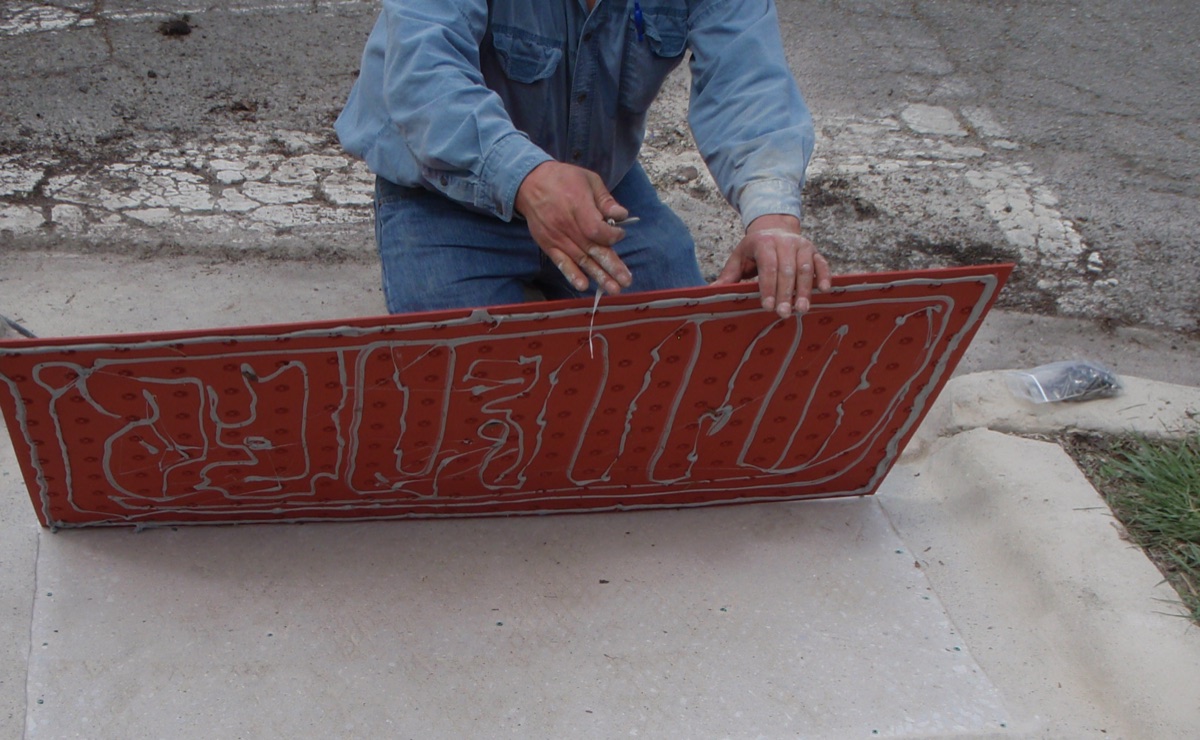
Why Surface-Applied Detectable Warning Tile Systems Are Ideal for Existing Concrete Infrastructure
For many project teams, the ability to improve accessibility while preserving existing infrastructure is one of the primary advantages of surface-applied tiles. Below are some additional benefits this system can have across many applications.

Reduced Demolition and Reconstruction Costs

Accelerated Accessibility Improvements

Minimized Pedestrian Disruption

Support ADA Transition Plans

Proven Performance in Demanding Environments
When properly specified and installed, surface-applied detectable warning tiles can provide years of reliable service in municipal, transportation, commercial, and institutional environments.
Surface-Applied vs. Cast-In-Place Detectable Warning Tiles
Both surface-applied and cast-in-place systems provide the same essential function: a tactile warning surface that alerts pedestrians with visual impairments to potential hazards and transitions. The primary difference lies in how and when they are installed.
When Surface-Applied Systems Make Sense
Surface-applied detectable warning tiles are typically preferred when:
-
 Existing concrete is structurally sound
-
Accessibility upgrades are being added to an existing facility
-
Reconstruction is not practical or cost-effective
-
Project schedules are limited
-
Minimizing disruption is a priority
For many retrofit projects, surface-applied systems offer the most efficient path to compliance.
When Cast-In-Place Systems Make Sense
Cast-in-place systems are commonly specified when:
-
New concrete is being installed
-
Existing curb ramps are being reconstructed
-
New sidewalks are being constructed
-
Major infrastructure improvements are underway
Because they become integrated into the concrete during placement, cast-in-place systems are frequently used on new construction and reconstruction projects.
Material Options for Surface-Applied Detectable Warning Tiles
Surface-applied systems are available in multiple material options, allowing project teams to select a solution that aligns with performance requirements, environmental conditions, and project specifications. TufTile manufactures ADA-compliant surface-applied detectable warning tile systems designed for long-term performance in demanding pedestrian environments.
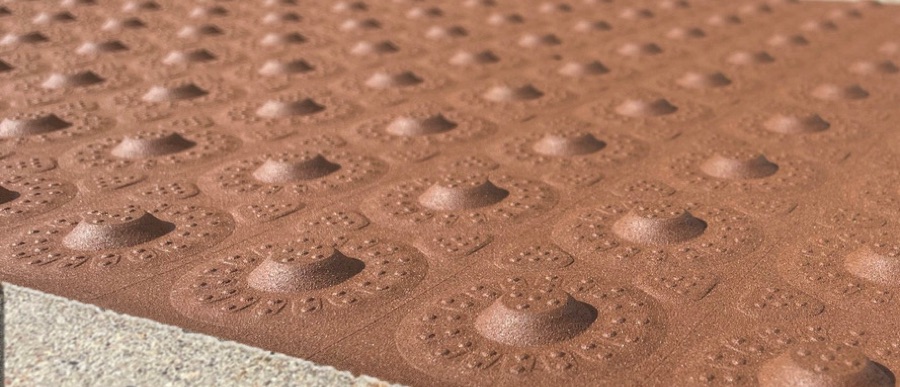
Galvanized Steel Surface-Applied Detectable Warning Tiles
Galvanized steel detectable warning tiles are known for their durability, corrosion resistance, and long service life. Frequently specified for transportation facilities, municipal infrastructure, and commercial projects, these systems are designed to perform in demanding pedestrian environments.
TufTile's galvanized steel products utilize G90 galvanized steel for enhanced corrosion protection and long-term durability. Their low-profile design also creates a smooth transition between the tile and surrounding concrete.
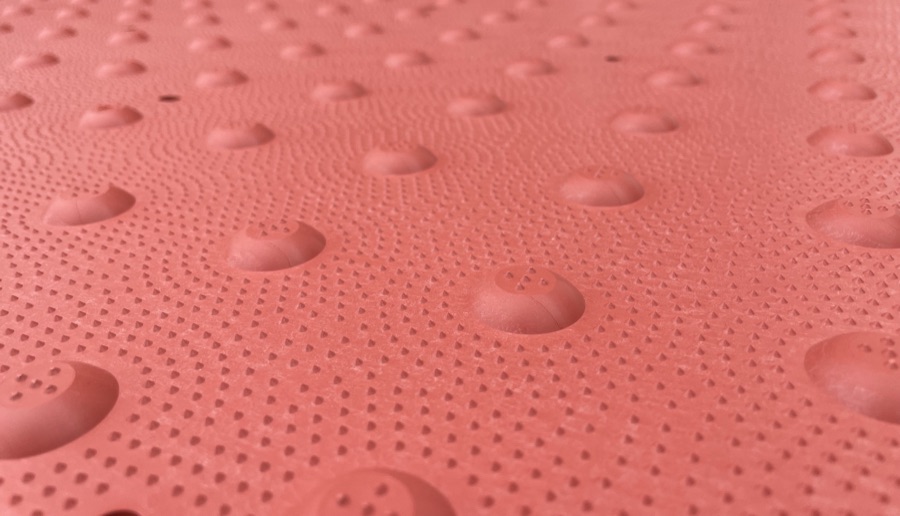
Polymer Surface-Applied Detectable Warning Tiles
Polymer detectable warning tiles provide a lightweight, corrosion-resistant alternative for retrofit applications. Modern polymer systems are engineered to resist cracking, chipping, and fading while maintaining their tactile warning characteristics over time.
Available in a variety of colors and configurations, polymer systems are commonly used on municipal, educational, healthcare, and commercial projects where appearance and long-term performance are important considerations.
Common Uses for Surface-Applied Detectable Warning Tiles
Because they can be installed on existing concrete surfaces, surface-applied systems are widely used for accessibility improvements and infrastructure upgrades where reconstruction is not required.

Existing Curb Ramp Upgrades

Municipal Sidewalk Improvements

Transit Facilities

Commercial Properties

Public Rights-of-Way
Choosing the Right Surface-Applied System for Your Project
While surface-applied systems are often the preferred solution for retrofit applications, selecting the right product still requires consideration of certain project-specific conditions.

Existing Concrete Condition
The underlying concrete should be structurally sound and capable of supporting the detectable warning system. Areas with significant deterioration may require repair or replacement before installation.
Traffic Volume
Pedestrian traffic levels can influence material selection and long-term performance expectations. High-traffic locations may benefit from materials specifically designed for demanding environments.
Environmental Exposure
Weather conditions, moisture, freeze-thaw cycles, deicing salts, and maintenance operations should all be considered when evaluating potential solutions.
Agency Specifications
Transportation agencies, municipalities, and project owners may establish approved materials, preferred installation methods, or specific product requirements that influence system selection.
Evaluating these factors early in the planning process can help ensure the selected system aligns with project goals, performance expectations, and long-term maintenance considerations.
Learn More About TufTile Detectable Warning Tile Solutions
See how TufTile’s Complete Tactile Surface System works across different pedestrian environments with our Interactive Streetscape tool.

Need Help Finding the Right Surface-Applied Solution for Your Project?
Whether you're planning an ADA retrofit, upgrading existing pedestrian infrastructure, or comparing material options, our team can help identify the right solution for your application.
Frequently Asked Questions
Surface-applied detectable warning tiles are ADA-compliant tactile warning surfaces that are installed on existing concrete rather than embedded during concrete placement. They are commonly used for retrofit and accessibility improvement projects.
Surface-applied systems are typically used when existing concrete remains structurally sound and accessibility upgrades are needed without complete reconstruction.
Yes. When manufactured and installed in accordance with applicable standards and project specifications, surface-applied detectable warning tiles can satisfy ADA detectable warning requirements.
Surface-applied systems are installed on cured concrete surfaces, while cast-in-place systems are installed during concrete placement and become integrated into the finished slab.
Common options include galvanized steel and polymer. TufTile offers both material types, allowing project teams to select a solution that aligns with project requirements, environmental conditions, and long-term performance expectations.
The existing concrete should be structurally sound and properly prepared. Severely deteriorated concrete may require repair or replacement before installation.
Service life depends on material selection, environmental conditions, traffic volume, and installation quality. High-quality systems are designed to provide many years of reliable performance in demanding pedestrian environments.