

How to Choose Detectable Warning Tiles for Your Project
Once you've identified the need for detectable warning tiles, the next step is determining which system is the best fit for your specific project. Rather than focusing on a single product or material, experienced project teams evaluate a combination of factors that influence installation, performance, maintenance, and long-term value.
Every project is different. A system that's well suited for a municipal streetscape may not be the best option for a commercial redevelopment or transit platform. By asking the right questions early in the planning process, contractors, engineers, municipalities, and specifiers can narrow their options and make informed decisions.
This guide walks through the key considerations commonly evaluated when selecting detectable warning tile systems.
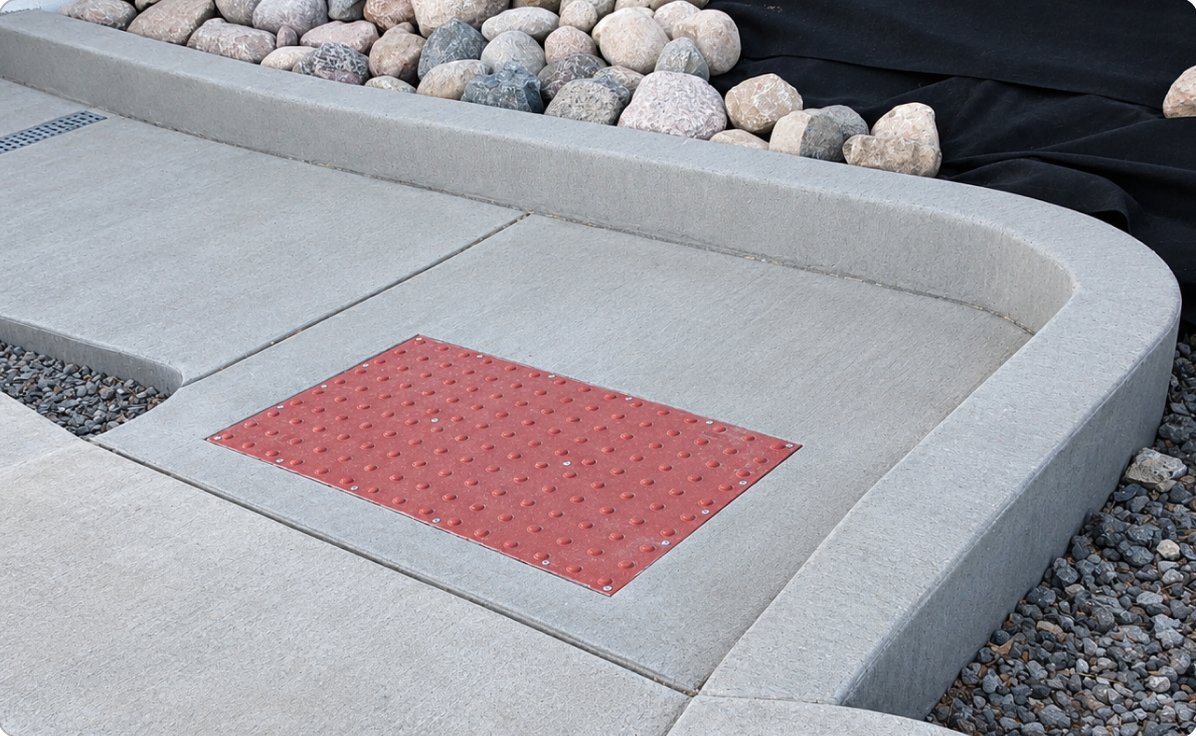
Step 1: Define Your Project Priorities
Before comparing products, establish what matters most for your project.
Ask questions like:
-
 Is minimizing disruption during installation a priority?
-
Is the owner focused on long-term maintenance?
-
Will aesthetics influence the decision?
-
Is lifecycle value more important than initial cost?
-
Will this installation become part of a larger accessibility improvement program?
Step 2: Evaluate Your Project Site Conditions
The physical conditions of the project often influence which detectable warning tile systems are appropriate.
Consider questions such as:
-
Is this new construction or an existing concrete retrofit?
-
Will the installation be exposed to heavy pedestrian traffic?
-
What environmental conditions will the tiles experience?
-
Will snow removal equipment regularly operate over the installation?
-
Are there space limitations or unique site conditions?
Step 3: Select the Right Detectable Warning Tile Installation Method
Once project priorities and site conditions are understood, installation methods become easier to evaluate.
At this stage, you're not necessarily selecting a system yet—you’re identifying which installation methods best align with your project's requirements.

Cast-In-Place Systems
Often selected when new concrete is being placed and integrated installation is desired.

Surface-Applied Systems
Frequently considered for accessibility upgrades and retrofit projects where existing concrete will remain in place.

Replaceable Systems
May be appropriate for projects where future maintenance efficiency and long-term lifecycle planning are priorities.
Step 4: Match Detectable Warning Tile Materials to Your Project
Rather than asking which material is "best," consider which characteristics are most important for your project.
Questions to think about include:
-
Is corrosion resistance a primary concern?
-
Are multiple color options needed?
-
Will the installation experience demanding public use?
-
Are weight or handling considerations important?
-
Do agency preferences influence material selection?
Step 5: Think Beyond the Initial Installation
The installation itself is only one part of a detectable warning tile system's lifecycle. Considering other long-term factors early may influence whether certain features provide additional long-term value.
Project teams should also consider:

Future maintenance requirements
Potential replacement needs
Long-term ownership costs
Ease of future accessibility improvements
Minimizing disruption during future repairs
Step 6: Confirm Project Specifications & Requirements
Selecting ADA warning tiles also requires reviewing owner requirements, applicable accessibility standards, and agency specifications before making a final product decision.
Common examples include:
-
Agency specifications
-
Approved product lists
-
Material preferences
-
Required colors or visual contrast
-
Radius tiles or specialty configurations
-
Standard tile dimensions
-
Project schedules and procurement timelines
Putting It All Together: How to Choose the Right Detectable Warning Tile System
Rather than relying on a single feature or product characteristic, experienced project teams evaluate the project as a whole. This provides a more complete picture than focusing on any single decision on its own.
Learn More About TufTile Detectable Warning Tile Solutions
See how TufTile’s Complete Tactile Surface System works across different pedestrian environments with our Interactive Streetscape tool.

Need Help Selecting Detectable Warning Tiles for Your Project?
Every project has unique requirements. Our team can help you evaluate your priorities, compare available options, and identify a detectable warning tile system that aligns with your project's goals.
Frequently Asked Questions
The selection process typically begins by evaluating project priorities, site conditions, installation methods, material characteristics, maintenance expectations, and applicable specifications.
The appropriate installation method depends on factors such as whether the project involves new or existing concrete, construction schedules, and long-term project goals.
Material selection should be based on your project's performance requirements, environmental conditions, maintenance priorities, appearance goals, and owner preferences.
Replaceable systems may be worth evaluating for projects where long-term maintenance planning and minimizing future disruption are important considerations.
Yes. Many transportation agencies, municipalities, and project owners establish approved products, preferred materials, or specification requirements that should be reviewed before making a final selection.
Project plans, curb ramp geometry, and applicable accessibility requirements will help determine whether standard tile sizes or specialty configurations—such as radius tiles—are appropriate.