

Galvanized Steel vs. Composite Detectable Warning Tiles: A Material Comparison
When specifying detectable warning tiles for a project, one of the most common material decisions is choosing between galvanized steel and composite (also known as polymer) systems. Both materials are widely used in ADA-compliant detectable warning applications and are available in cast-in-place and surface-applied configurations. However, each offers distinct characteristics that may make it better suited for certain project requirements.
Rather than asking which material is "better," the more useful question is which material best aligns with the project's environment, performance expectations, maintenance goals, and owner preferences.
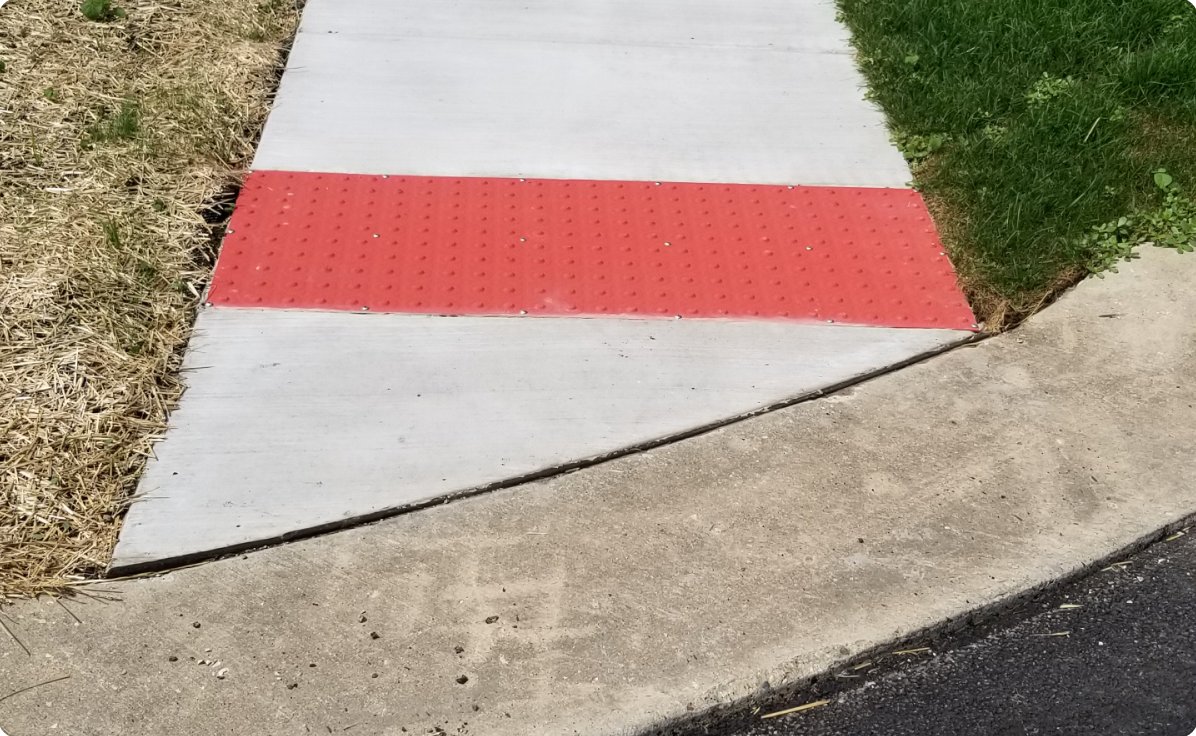
Galvanized Steel vs Composite At-a-Glance Comparison
Understanding the Differences Between Galvanized Steel and Composite Tiles
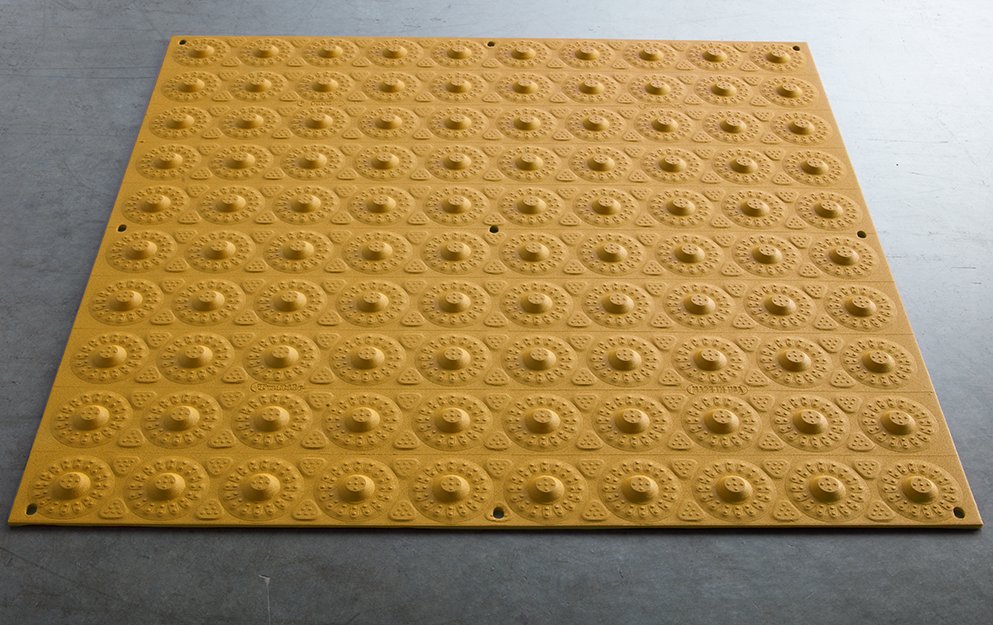
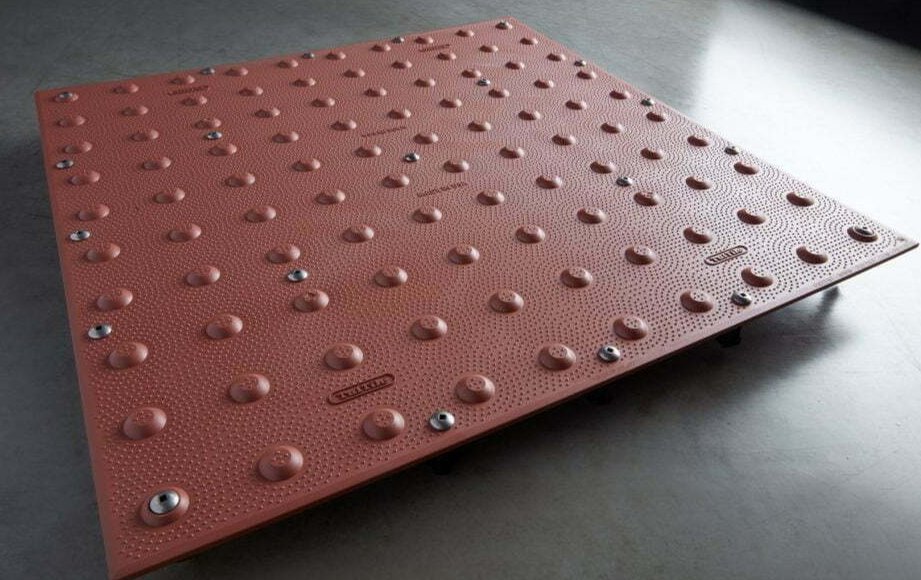
The primary differences between galvanized steel and composite detectable warning tiles lie in the materials themselves. Galvanized steel offers exceptional structural strength and corrosion resistance through its protective zinc coating, while composite tiles are often manufactured from engineered polymer materials and provide a lightweight, corrosion-resistant alternative.
Because both materials are available in cast-in-place and surface-applied systems, material selection is often driven more by the installation method, long-term performance requirements, appearance, maintenance expectations, and project specifications.
Galvanized Steel Detectable Warning Tiles
Galvanized steel has long been specified for transportation, municipal, and commercial infrastructure because of its durability and ability to withstand demanding pedestrian environments.
TufTile manufactures galvanized steel detectable warning tiles using G90 galvanized steel, providing enhanced corrosion resistance for long-term performance. The galvanized coating helps protect the underlying steel from moisture and environmental exposure while maintaining the structural integrity of the tile.
Common Advantages of Galvanized Steel
-
 Exceptional durability
-
High corrosion resistance
-
Long service life
-
Low-profile design
-
Available in cast-in-place and surface-applied systems
-
Well suited for demanding public infrastructure
Comparing Material Characteristics: Galvanized Steel vs. Composite
Galvanized steel and composite detectable warning tiles each offer distinct advantages depending on project priorities, owner preferences, and environmental conditions.

Appearance & Design Flexibility
Galvanized steel provides a clean metallic finish that complements many transportation, municipal, and commercial projects. Composite detectable warning tiles are available in a variety of standard colors, making them a popular choice for projects where visual contrast, branding, or architectural aesthetics are important considerations.

Weight & Handling
Composite detectable warning tiles are generally lighter than galvanized steel, which can simplify transportation and handling during installation. Galvanized steel remains relatively lightweight while offering the structural advantages of metal construction.

Corrosion & Weather Resistance
Both galvanized steel and composite materials are designed for long-term outdoor performance and commonly specified environments exposed to moisture, UV exposure, and seasonal weather conditions. Galvanized steel utilizes a protective zinc coating to resist corrosion, while composite materials are inherently resistant to rust and corrosion.

Installation Flexibility
Both galvanized steel and composite detectable warning tiles are available in cast-in-place and surface-applied systems. This gives project teams flexibility to specify either material for new construction, reconstruction, or retrofit applications depending on project requirements.

Long-Term Maintenance
Both materials are designed to provide years of reliable service with relatively low maintenance requirements. Long-term maintenance needs will depend on factors such as environmental exposure, traffic volume, installation quality, and overall project conditions.
Where Each Material Is Commonly Used
Both galvanized steel and composite detectable warning tiles are specified across a wide range of pedestrian infrastructure projects.
Common Applications for Galvanized Steel

Municipal sidewalks and curb ramps

Transportation facilities

Streetscape improvement projects

Public rights-of-way

Commercial and institutional properties

High-traffic pedestrian areas
Common Applications for Composite

Educational campuses

Healthcare facilities
Commercial properties

Municipal sidewalk improvements

Parks and recreational facilities

Mixed-use developments
Choosing the Right Material for Your Project
Both galvanized steel and composite detectable warning tiles provide durable, ADA-compliant tactile warning surfaces capable of delivering years of reliable performance. Rather than focusing on finding a universally "better" material, project teams should evaluate how each option aligns with the project's unique goals.
Galvanized steel is frequently selected for projects where long-term structural durability and corrosion resistance are key considerations. Composite systems offer a lightweight, low-maintenance alternative available in a variety of colors and configurations.
By evaluating environmental conditions, maintenance expectations, owner preferences, and project specifications, engineers and contractors can select a detectable warning tile material that supports both immediate project needs and long-term performance.
Learn More About TufTile Detectable Warning Tile Solutions
See how TufTile’s Complete Tactile Surface System works across different pedestrian environments with our Interactive Streetscape tool.

Need Help Selecting the Right Detectable Warning Tile Material?
Whether you're comparing galvanized steel and composite materials or evaluating options for a specific project, our team can help you identify the right solution for your needs.
Frequently Asked Questions
The primary difference is the material itself. Galvanized steel uses a protective zinc coating over steel to provide strength and corrosion resistance, while composite tiles are manufactured from engineered polymer materials and are designed to resist corrosion, cracking, and fading.
Both galvanized steel and high-quality composite detectable warning tiles are designed for long-term performance. Service life depends on factors such as environmental conditions, traffic levels, installation quality, and ongoing maintenance.
Yes. When manufactured and installed in accordance with applicable standards and project specifications, both materials can satisfy ADA detectable warning requirements.
Yes. TufTile offers both galvanized steel and composite detectable warning tiles in cast-in-place and surface-applied configurations.
Galvanized steel is protected by a zinc coating that helps resist corrosion. TufTile's G90 galvanized steel provides enhanced corrosion protection for long-term performance in demanding environments.
Yes. Composite detectable warning tiles are available in multiple colors, allowing project teams to meet project requirements for visual contrast and design preferences.