

Detectable Warning Tiles Buying Guide: What to Know Before You Buy
Choosing detectable warning tiles involves more than selecting a material or comparing product specifications. The right solution depends on your project's installation conditions, long-term maintenance goals, performance requirements, and applicable accessibility standards.
Whether you're planning a municipal streetscape, transportation project, commercial development, or ADA accessibility upgrade, understanding the available options before purchasing can help streamline the specification process and support long-term project success.
This buying guide introduces the key considerations to understand before purchasing detectable warning tiles. From installation methods and materials to project requirements and common buying mistakes, it provides a starting point for evaluating your options with confidence.
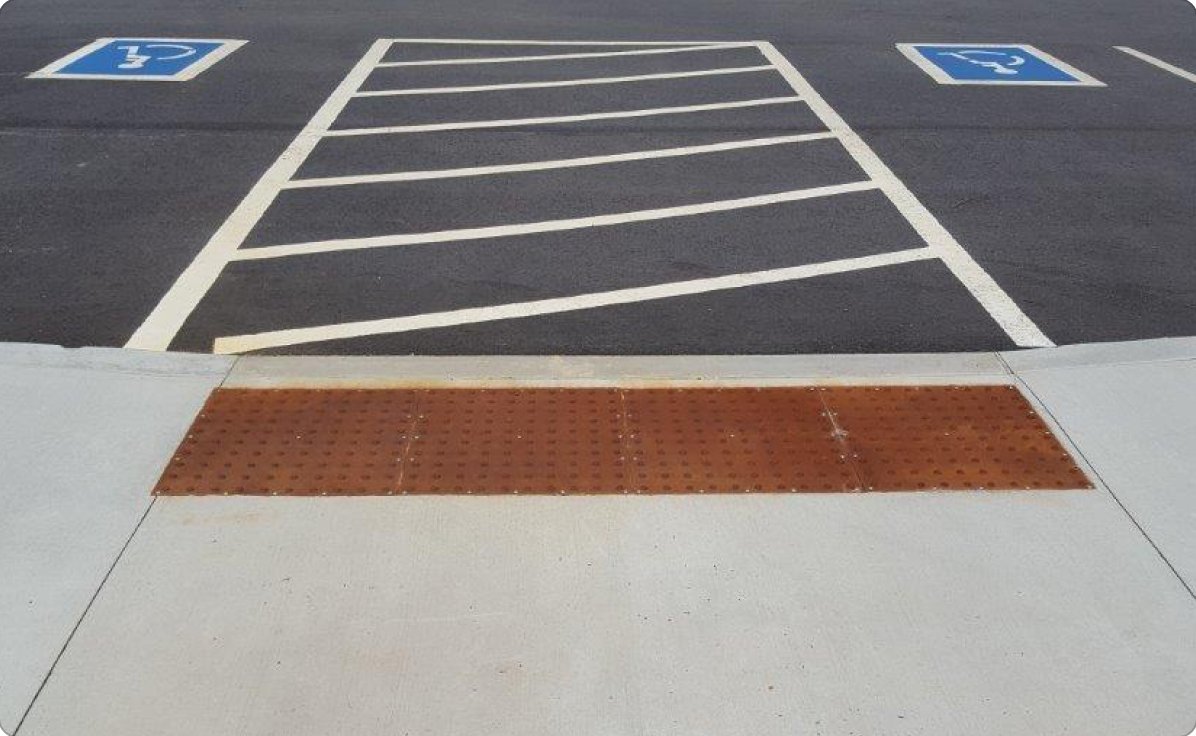
Start with Your Project Requirements
Before evaluating products, it's important to understand the needs of your project. Factors such as whether the installation involves new construction or an existing concrete surface, anticipated pedestrian traffic, environmental conditions, and owner requirements can all influence the type of detectable warning tile system that's most appropriate.
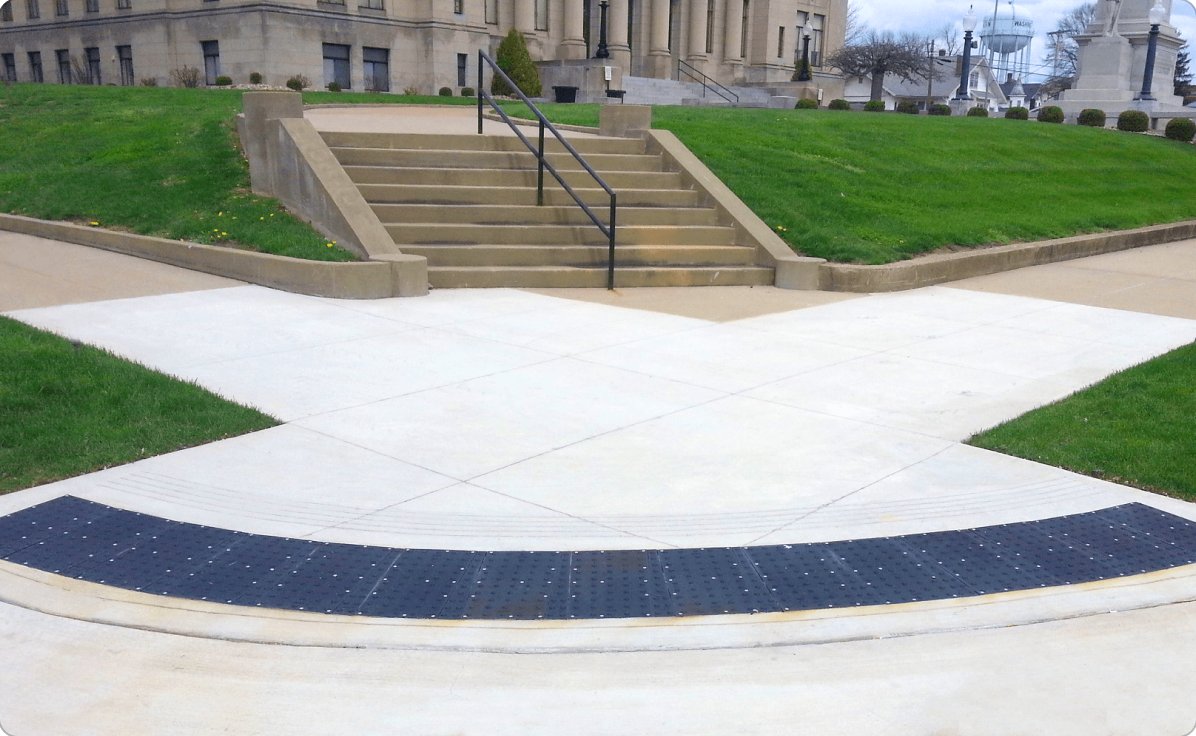
New Construction Projects
Projects involving newly poured concrete typically allow for the widest range of detectable warning tile system options. Planning early in the design process helps ensure the selected system aligns with construction schedules, project specifications, and long-term performance expectations.
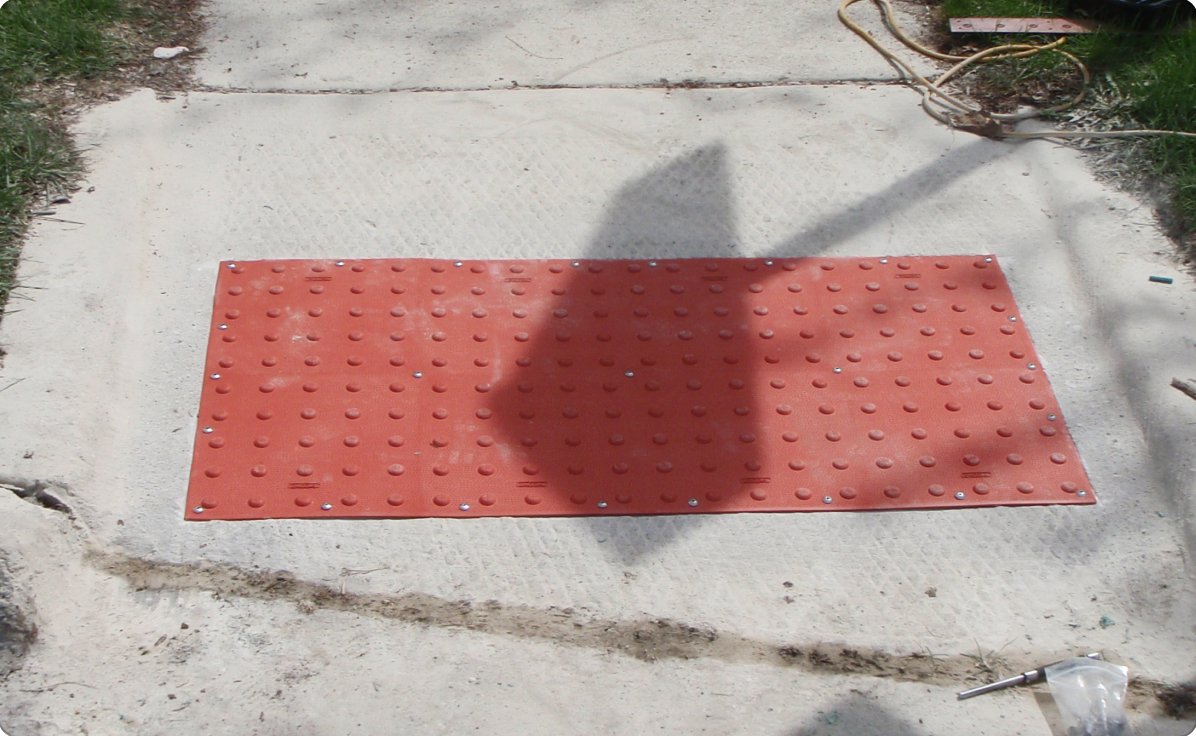
Existing Concrete & Retrofit Projects
Accessibility upgrades and retrofit projects often present different considerations than new construction. Existing concrete conditions, installation constraints, project timelines, and minimizing disruption may all influence which types of detectable warning tile systems are suitable.
Know Your Detectable Warning Tile System Options

Cast-In-Place Detectable Warning Tile Systems
Cast-in-place systems are installed while new concrete is being poured, making them a common choice for new construction and reconstruction projects.

Surface-Applied Detectable Warning Tile Systems
Surface-applied systems are installed onto existing concrete, making them a practical option for many retrofit and accessibility improvement projects.

Replaceable Detectable Warning Tile Systems
Replaceable systems allow the warning surface to be replaced independently of the surrounding concrete if future maintenance or replacement becomes necessary.
Understand the Available Material Options
Understanding the available material options before purchasing can help ensure the selected material aligns with project requirements, environmental conditions, and owner preferences.
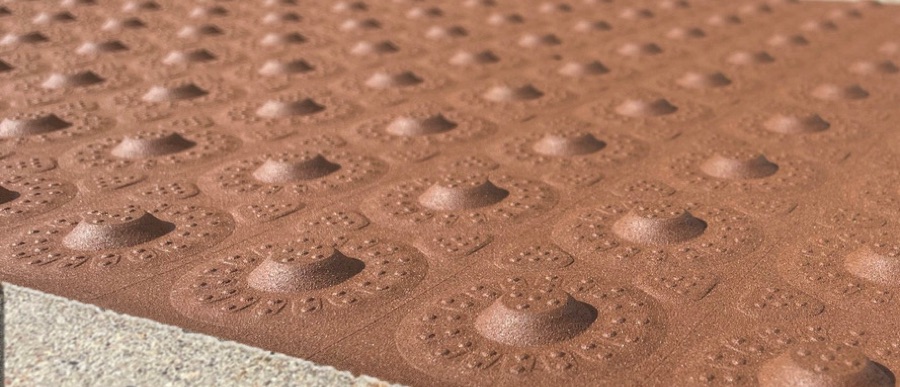
Galvanized Steel
- G90 galvanized steel construction
- Available in cast-in-place and surface-applied systems
- Designed for demanding pedestrian environments
- Frequently specified for municipal and transportation projects
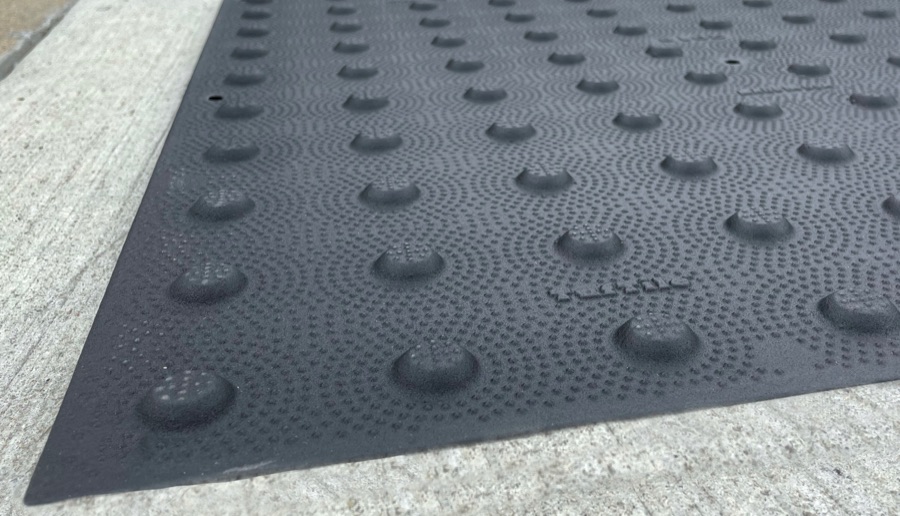
Cast Iron
- Heavy-duty cast construction
- Available in cast-in-place systems
- Long service life
- Commonly specified for public infrastructure
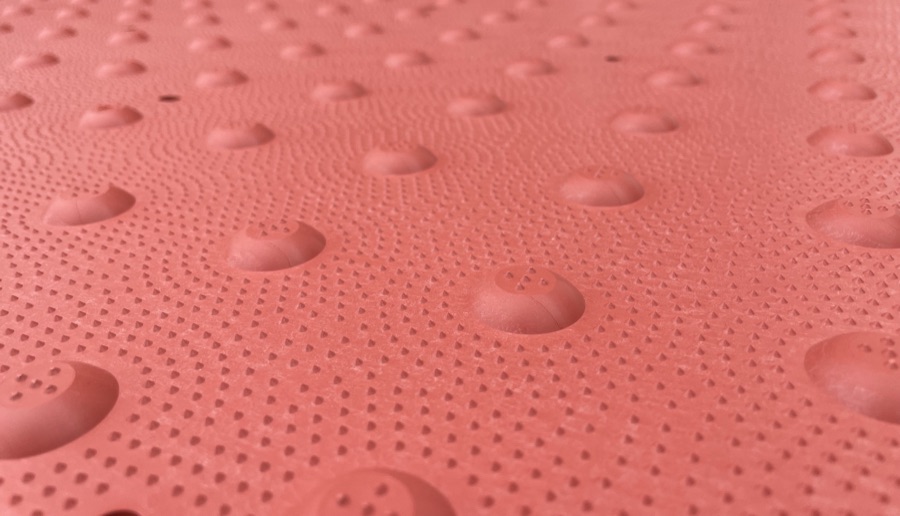
Composite (Polymer)
- Engineered polymer construction
- Available in cast-in-place and surface-applied systems
- Lightweight
- Available in multiple standard colors
Know When Tile Size & Configuration Matter
In addition to selecting the right installation method and material, it's important to determine whether your project requires standard tile sizes or specialty configurations.
Most detectable warning tile systems are available in a range of standard sizes to accommodate different curb ramp dimensions and pedestrian crossing layouts. Projects with curved curb ramps or other non-linear transitions may require radius tiles or other specialty configurations to achieve proper coverage while maintaining ADA compliance.
Project Types & Buying Considerations

Municipal Sidewalks & Curb Ramps
Common considerations: Long-term durability, ADA compliance, maintenance expectations, and lifecycle costs

Transit Platforms & Stations
Common considerations: durable materials, demanding pedestrian environments, and meeting agency specifications

Commercial Developments
Common considerations: Appearance, installation flexibility, project schedules, and long-term performance

Educational & Healthcare Campuses
Common considerations: Accessibility, aesthetics, maintenance planning, and pedestrian safety

Parks & Public Spaces
Common considerations: Environmental exposure, anticipated pedestrian traffic, and maintenance practices

Streetscape Improvement Projects
Common considerations: Durability, appearance, accessibility requirements, and long-term maintenance planning
Detectable Warning Tile Buyer's Checklist
Before purchasing detectable warning tiles, ask the following questions:
-
 Is this a new construction project or an accessibility retrofit?
-
Which installation method best fits the project?
-
Which material options are available and appropriate?
-
Will the project require standard or specialty tile configurations?
-
What environmental conditions will the tiles experience?
-
How much pedestrian traffic is expected?
-
Are there owner, municipal, or agency specifications to follow?
-
Is long-term maintenance an important consideration?
-
Would a replaceable system provide future maintenance advantages?
Before You Buy — Common Mistakes to Avoid
Even well-planned projects can encounter challenges if important considerations are overlooked during the evaluation process.

Selecting Products Before Understanding Project Requirements
Installation conditions, project specifications, and long-term maintenance goals should be evaluated before narrowing product options.
Focusing Only on Initial Cost
The purchase price is only one part of the overall investment. Installation requirements, maintenance expectations, and long-term performance may all influence lifecycle value.
Overlooking Owner or Agency Specifications
Many municipalities, transportation agencies, and project owners establish preferred products, approved materials, or specification requirements that should be confirmed before purchasing.
Waiting Too Long to Verify Tile Sizes
Confirming required dimensions and specialty configurations early in the project can help avoid delays during procurement and installation.
Assuming Every Detectable Warning Tile System Is the Same
Installation methods, materials, replacement capabilities, and long-term performance characteristics can vary between systems and manufacturers.
You're Ready to Start Evaluating Your Options
Understanding the key considerations before purchasing detectable warning tiles can make the selection process more efficient and help avoid costly surprises later in the project.
Rather than looking for a single "best" product, focus on identifying the system that best aligns with your project's installation requirements, environmental conditions, maintenance goals, and owner expectations.
Learn More About TufTile Detectable Warning Tile Solutions
See how TufTile’s Complete Tactile Surface System works across different pedestrian environments with our Interactive Streetscape tool.

Need Help Finding the Right Detectable Warning Tile Solution?
Whether you're just beginning your research or preparing project specifications, our team can help you evaluate your options and identify a detectable warning tile system that fits your project's requirements.
Frequently Asked Questions
Before purchasing detectable warning tiles, it's important to understand your project requirements, installation options, available materials, tile configurations, maintenance expectations, and any applicable owner or agency specifications.
Cast-in-place systems are installed during new concrete placement, while surface-applied systems are installed onto existing concrete for many retrofit and accessibility improvement projects.
There is no single material that's best for every application. Galvanized steel, cast iron, and composite materials each offer unique characteristics that may make them appropriate depending on project requirements.
Detectable warning tiles are designed to meet ADA requirements when manufactured and installed in accordance with applicable accessibility standards and project specifications.
No. Detectable warning tiles are available in multiple sizes and configurations, including specialty options such as radius tiles, to accommodate different project layouts and design requirements.
Some systems are designed as replaceable installations, allowing the warning surface to be replaced independently of the surrounding concrete if future maintenance is required.