

Detectable Warning Tile Strength Comparison: Which Materials Perform Best?
When specifying detectable warning tiles, material selection is often influenced by more than installation method or appearance. Engineers, contractors, and municipalities frequently evaluate how different materials are expected to perform under real-world conditions such as heavy pedestrian traffic, freeze-thaw cycles, moisture, deicing salts, UV exposure, and ongoing maintenance operations.
Galvanized steel, cast iron, and composite detectable warning tiles are all designed to provide durable, ADA-compliant tactile warning surfaces, but each material offers different performance characteristics. Rather than asking which material is universally strongest, it's often more useful to consider which material is best suited for the project's environment and long-term performance expectations.
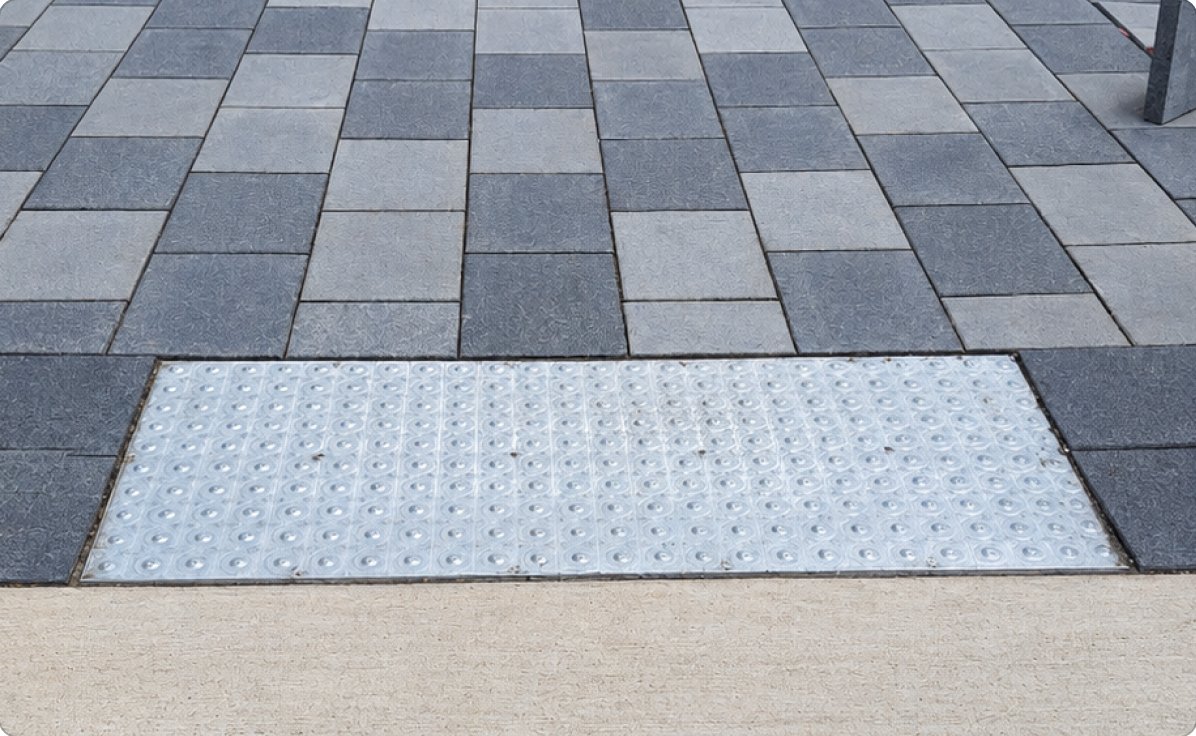
TufTile Detectable Warning Tile Strength & Performance at a Glance
Note: Material selection should always consider project specifications, installation method, environmental conditions, and owner preferences in addition to performance characteristics.
What Does "Strength" Mean for Detectable Warning Tiles?
Unlike many construction materials, the strength of a detectable warning tile isn't defined by a single engineering measurement. In real-world applications, long-term performance depends on how well the material withstands years of exposure to pedestrian traffic, environmental elements, maintenance operations and equipment, and everyday use.
When evaluating detectable warning tile materials, project teams often consider questions such as:
-
 Will the material withstand years of pedestrian traffic?
-
How does it perform in freeze-thaw environments?
-
Is it resistant to corrosion or environmental exposure?
-
How well does it maintain its tactile warning surface over time?
-
Does it align with the project's maintenance expectations?
Strength & Performance by Material
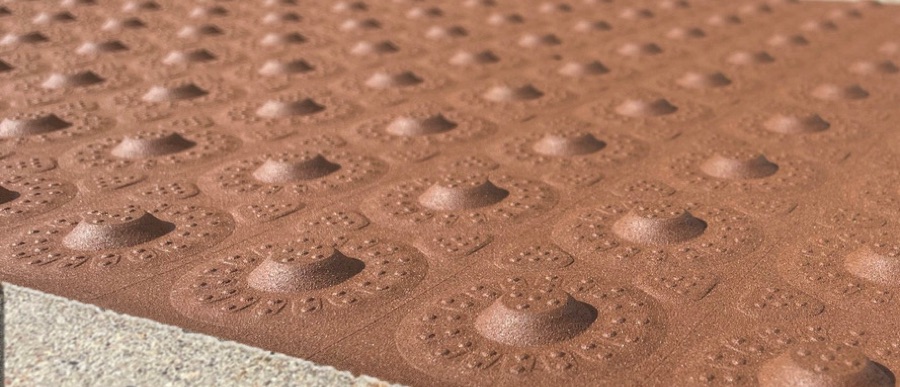
Galvanized Steel
Galvanized steel detectable warning tiles combine the structural strength of steel with a protective zinc coating that helps resist corrosion. TufTile's G90 galvanized steel provides enhanced corrosion protection, making it well suited for municipal infrastructure, transportation facilities, and other demanding pedestrian environments.
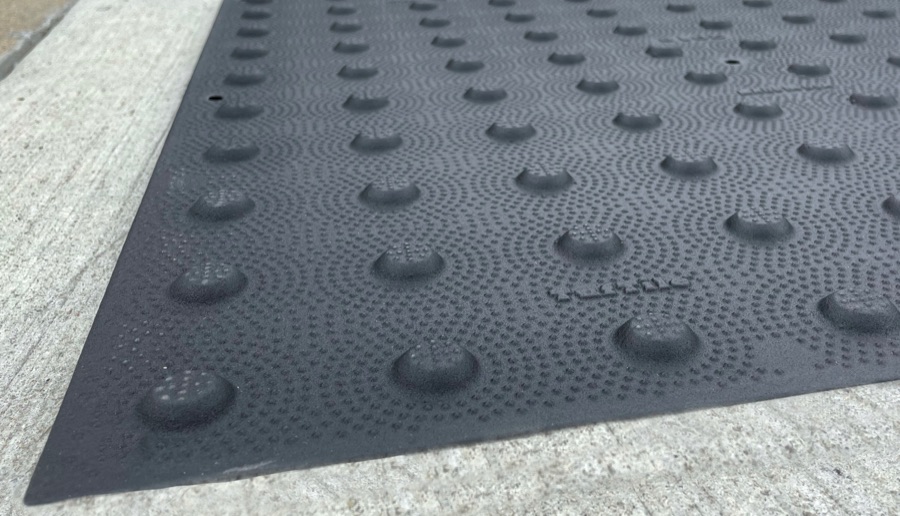
Cast Iron
Cast iron has been used for decades in public infrastructure because of its durability and long service life. Its robust construction makes it a common choice for transportation facilities, streetscape improvements, and municipal projects where new concrete is being placed.
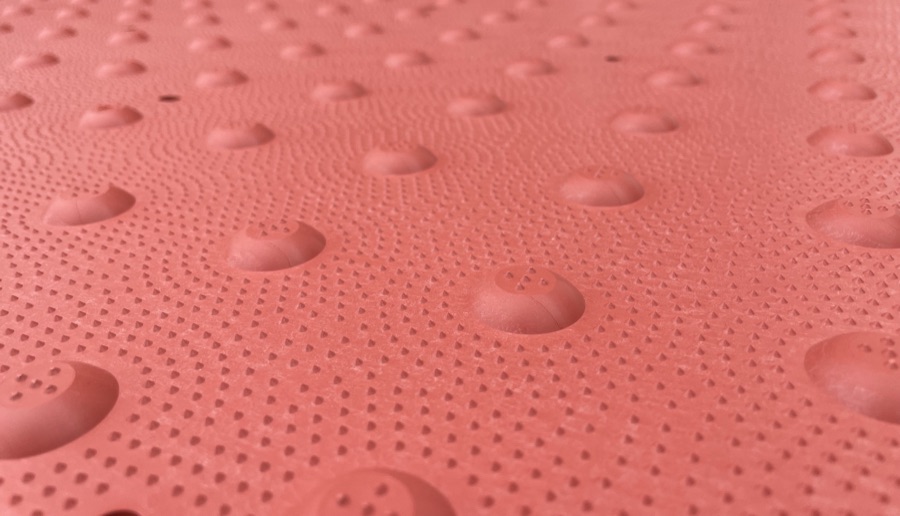
Composite / Polymer
Composite detectable warning tiles are manufactured from engineered polymer materials designed to resist corrosion, cracking, chipping, and fading. They provide a lightweight, low-maintenance solution that performs well across a wide range of municipal, commercial, educational, and institutional applications.
Strength & Performance Factors Engineers Commonly Evaluate

Heavy Pedestrian Traffic
Detectable warning tiles installed in busy public environments must withstand continuous pedestrian use, wheelchairs, strollers, bicycles, and other mobility devices. All three materials are designed for demanding pedestrian environments, although project specifications and owner preferences often influence material selection.

Weather Exposure
Exterior installations may experience rain, snow, ice, UV exposure, and seasonal temperature fluctuations. Selecting a material designed for long-term outdoor use helps maintain both durability and tactile performance throughout the system's service life.

Freeze-Thaw Conditions
In colder climates, repeated freeze-thaw cycles can place additional demands on pedestrian infrastructure. Proper material selection, installation quality, and overall system design all contribute to long-term performance.

Corrosion Resistance
Moisture, deicing salts, and environmental exposure can influence long-term performance. Galvanized steel utilizes a protective zinc coating, while cast iron and composite materials each provide durable solutions suitable for demanding outdoor environments.

Maintenance Operations
Snow removal equipment, routine cleaning, and ongoing maintenance activities are common throughout municipal and transportation facilities. Materials should be selected with consideration for the maintenance practices expected throughout the life of the installation.
Selecting the Right Material for Your Project Priorities
Choosing the Right Material for Long-Term Strength & Performance
All three detectable warning tile materials are engineered to provide durable, ADA-compliant tactile warning surfaces capable of performing in demanding pedestrian environments.
Rather than focusing solely on which material is strongest, engineers and specifiers should evaluate how each option aligns with the project's intended application, maintenance expectations, environmental conditions, and installation requirements.
By considering these factors together, project teams can confidently select a material that supports both immediate project needs and long-term performance objectives.
Learn More About TufTile Detectable Warning Tile Solutions
See how TufTile’s Complete Tactile Surface System works across different pedestrian environments with our Interactive Streetscape tool.

Need Help Comparing Detectable Warning Tile Materials?
Whether you're evaluating long-term performance, comparing material options, or planning a new project, our team can help identify the right solution for your application.
Frequently Asked Questions
There is no single answer for every project. Galvanized steel, cast iron, and composite detectable warning tiles are all engineered for long-term performance. The best choice depends on the project's environmental conditions, installation method, maintenance expectations, and owner requirements.
All three materials are used in demanding pedestrian environments. Project specifications, expected traffic levels, and maintenance practices typically guide material selection.
Yes. Galvanized steel utilizes a protective zinc coating to help resist corrosion. TufTile manufactures its galvanized steel detectable warning tiles using G90 galvanized steel for enhanced corrosion protection.
Yes. Composite detectable warning tiles are engineered to resist corrosion, cracking, chipping, and fading while maintaining long-term tactile performance.
Both materials provide exceptional durability and are widely used in public infrastructure. Rather than focusing on one material being stronger, project teams should evaluate which material best aligns with the project's installation requirements, environmental conditions, and long-term performance goals.
Galvanized steel, cast iron, and composite detectable warning tiles are all commonly specified for municipal infrastructure. The appropriate material depends on project specifications, installation method, environmental conditions, and owner preferences.