

Looking for an ADA Solutions Alternative? Compare Your Detectable Warning Tile Options
Comparing multiple detectable warning tile manufacturers can help ensure you're selecting the solution that best aligns with your project requirements, long-term performance goals, and technical specifications.
While many detectable warning tile systems meet ADA accessibility requirements, manufacturers can differ significantly in the materials they offer, installation methods, manufacturing capabilities, engineering resources, and project support.
If you're exploring alternatives to ADA Solutions detectable warning tiles, here's what to compare, and why many engineers, contractors, municipalities, and specifiers also consider TufTile as an ADA Solutions alternative.
Why Compare Detectable Warning Tile Manufacturers?
Choosing a detectable warning tile system should involve more than selecting a product that meets ADA requirements. The manufacturer behind that product can also influence the success of your project.
When evaluating manufacturers, consider questions such as:

What materials are available?
Which installation methods are supported?
How are the products manufactured?
What technical documentation is available?
Does the manufacturer provide engineering and specification support?
What warranties are offered?
How does the manufacturer support long-term performance?
Compare Material Options
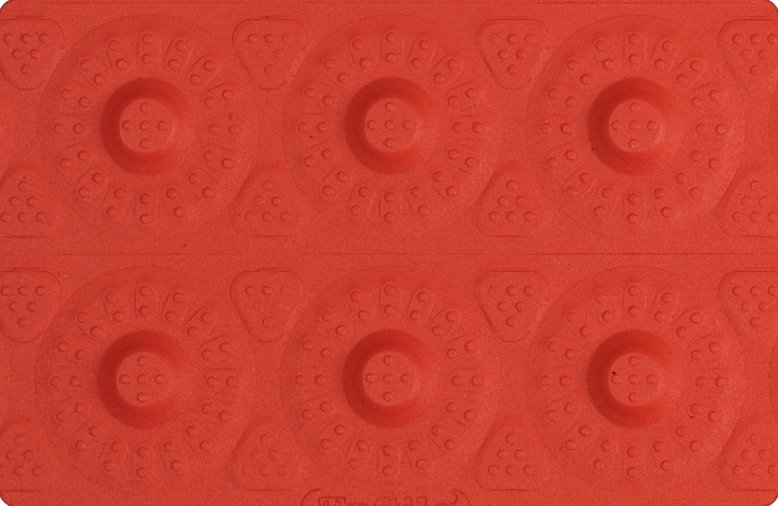
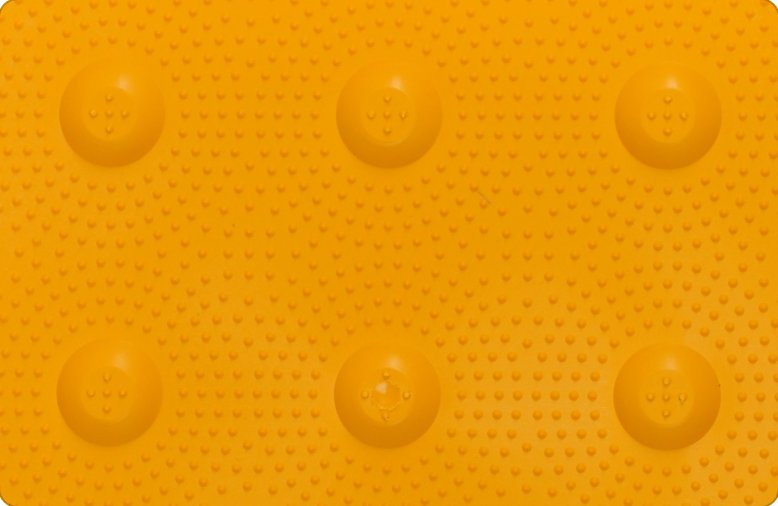
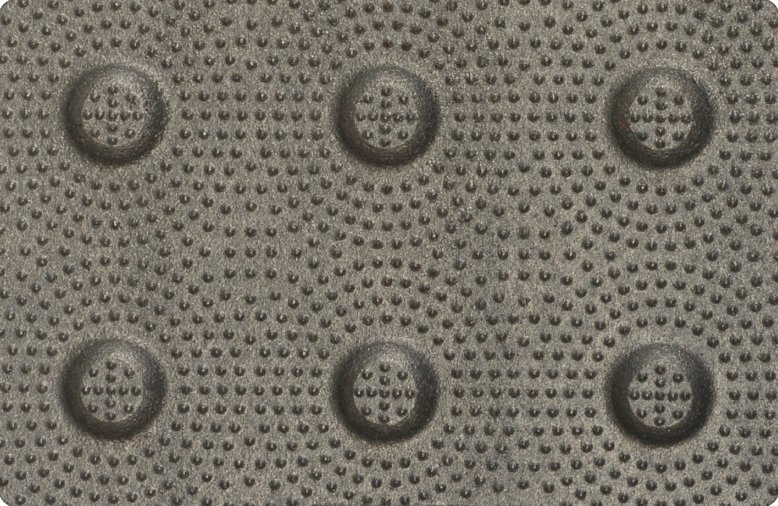
Different detectable warning tile materials offer different performance characteristics, making material selection an important part of the evaluation process. A range of options gives project teams greater flexibility when selecting materials.
TufTile manufactures detectable warning tile systems in:
Compare Installation Methods & Product Flexibility
Installation requirements vary from project to project. Having a choice between multiple installation options allows more flexibility to select the system that best fits the project.
TufTile supports multiple installation methods, including:

Wet-Set (Cast-In-Place)

Surface-Applied

Replaceable
Compare Manufacturing Capabilities
Manufacturing capabilities can influence everything from quality and consistency to lead times and customization.
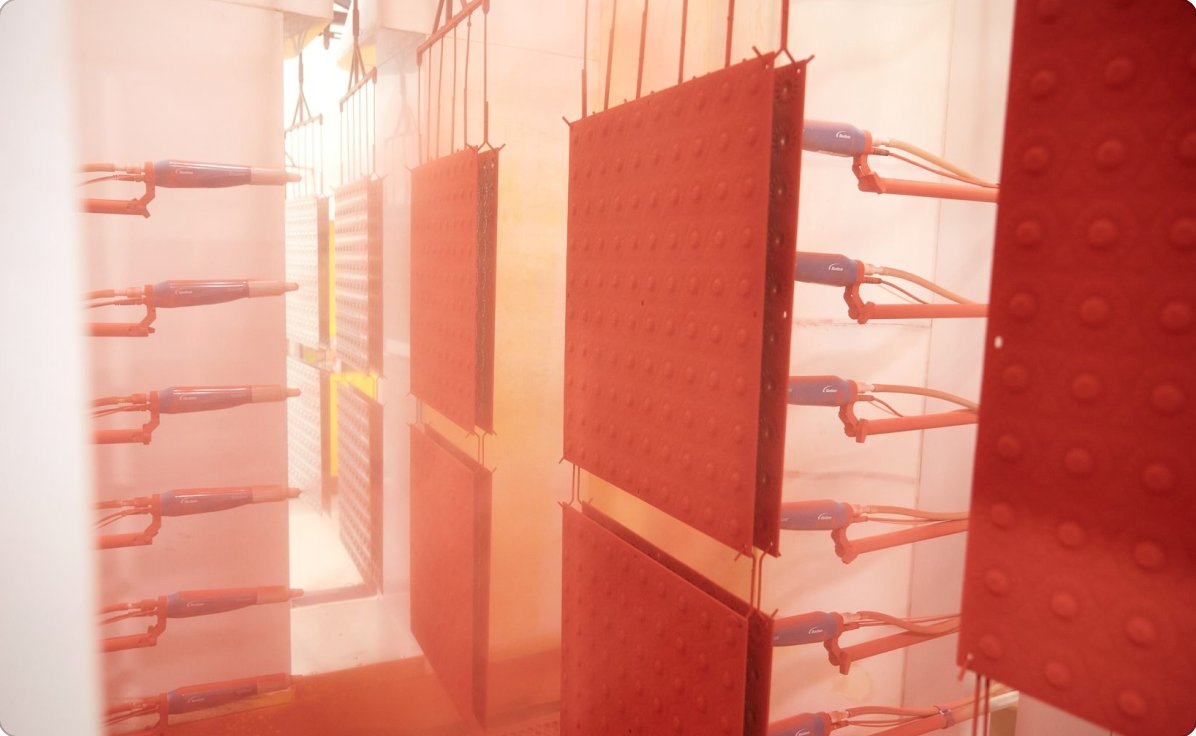
TufTile's vertically integrated manufacturing facility in Lake Zurich, Illinois, combines highly automated production, in-house powder coating, warehousing, and distribution under one roof. By controlling these critical stages of production, TufTile can efficiently support projects of virtually any size while maintaining consistent quality and shipping many standard orders in days rather than weeks.
In addition, TufTile's in-house powder coating process allows for durable custom finishes that can help projects meet architectural, municipal, or branding requirements.
Compare Sustainability & Environmental Commitments
Sustainability has become an increasingly important consideration for many projects. Along with evaluating product performance and technical capabilities, some project teams also consider a manufacturer's environmental practices.

TufTile is committed to Environmental Stewardship, integrating sustainable manufacturing practices throughout its operations. Highlights include reclaiming and reusing more than 99% of production scrap, utilizing an in-house powder coating process with no solvents or VOCs, incorporating recycled materials into product packaging, and implementing resource conservation initiatives throughout its manufacturing facility. TufTile products may also contribute toward LEED® regional materials credits when used within the applicable distance of its manufacturing facility in Lake Zurich, Illinois.
Compare Technical Resources & Project Support
Product information goes beyond the basic description. Engineers, contractors, architects, and municipalities benefit from access to additional resources and support throughout a project.
TufTile provides a comprehensive library of technical resources for every product it manufactures. Available resources include:

CAD Drawings
Product Specifications
Specification Sheets
Installation Instructions
Product Submittals
Technical Documentation
Compare Long-Term Performance Considerations
Long-term performance depends on more than material selection alone. Engineering, manufacturing quality, installation practices, and product design all contribute to how detectable warning tile systems perform over time.
TufTile's approach includes several features designed with long-term performance in mind, including:
-
 Avoid the Void philosophy
-
G90 galvanized steel for enhanced corrosion resistance
-
Durable material options for a variety of applications
-
5-year warranty on polymer tiles
-
10-year warranty on galvanized steel and cast iron tiles
-
10-year no-rust warranty on powder-coated galvanized steel tiles
Compare Detectable Warning Tile Manufacturers at a Glance
The table below summarizes several of the key considerations project teams commonly evaluate when comparing detectable warning tile manufacturers.
- Polymer
- Cast Iron
- Galvanized Steel
- Polymer
- Cast Iron
- Wet-Set
- Surface-Applied
- Replaceable
- Wet-Set
- Surface-Applied
- Replaceable
*This comparison is based on publicly available product information and is intended to help project teams evaluate common considerations when selecting a detectable warning tile manufacturer. Product offerings, specifications, and warranty terms may change.
Why Project Teams Consider TufTile
Every project has different priorities, but many engineers, contractors, and municipalities evaluate TufTile because of its combination of product options, manufacturing capabilities, and technical support.
Project teams often value:
-
Multiple material options available, including G90 galvanized steel, cast iron, and polymer
-
Wet-set, surface-applied, and replaceable system availability
-
Vertically integrated manufacturing in the United States
-
In-house powder coating and custom finish capabilities
-
Publicly accessible technical documentation and resources
-
A focus on installation durability and long-term performance
-
Responsive manufacturing and project support
-
Commitment to environmental stewardship and sustainable manufacturing practices
Compare Your Options with Confidence
Comparing manufacturers is a standard part of many specification and procurement processes—and for good reason. The right detectable warning tile system depends not only on the product itself but also on the manufacturer behind it.
By comparing materials, installation methods, manufacturing capabilities, technical resources, warranties, and long-term performance considerations, you can make a more informed decision for your project.
If you're looking for an ADA Solutions alternative, TufTile offers a broad portfolio of products, engineering resources, and manufacturing capabilities worthy of consideration.
Learn More About TufTile Detectable Warning Tile Solutions
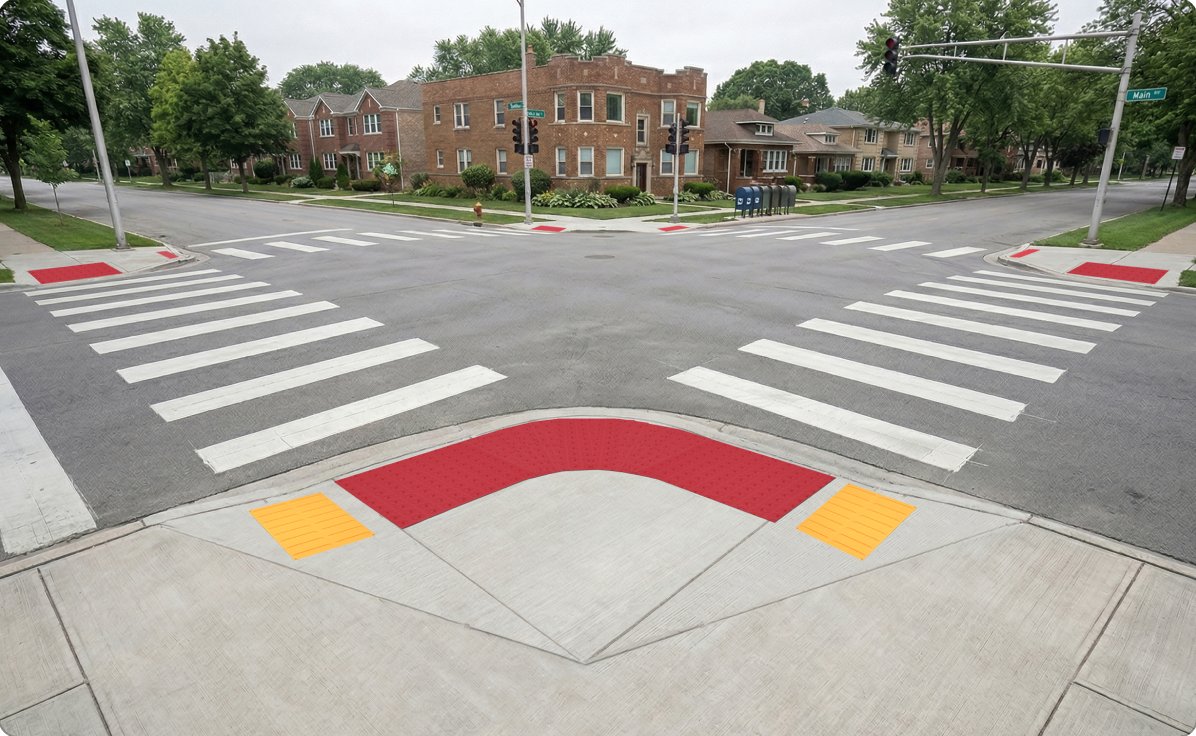
See how TufTile’s Complete Tactile Surface System works across different pedestrian environments with our Interactive Streetscape tool.

Still Comparing Detectable Warning Tile Manufacturers?
Our team can help you compare materials, installation methods, technical resources, and other factors to determine the best detectable warning tile system for your project.
Frequently Asked Questions
Many engineers, contractors, municipalities, and specifiers compare multiple manufacturers before making a final selection. Exploring an ADA Solutions alternative allows project teams to evaluate differences in material options, manufacturing capabilities, engineering resources, technical documentation, and long-term performance considerations to determine the best fit for their project.
Look beyond ADA compliance and compare available materials, installation methods, manufacturing capabilities, engineering support, technical documentation, warranties, and long-term maintenance considerations.
Yes. TufTile manufactures G90 galvanized steel detectable warning tiles for both wet-set and surface-applied applications, offering an additional material option for projects where corrosion resistance and durability are priorities.
TufTile manufactures its products in Lake Zurich, Illinois, using a vertically integrated manufacturing process that includes in-house powder coating, warehousing, and distribution.
Yes. TufTile offers a comprehensive publicly accessible document library that includes CAD drawings, product specifications, installation instructions, specification sheets, product submittals, and additional technical documentation to support project planning and installation.
Every project has unique requirements. Comparing manufacturers helps ensure the selected products, materials, technical resources, and project support align with the project's specifications, installation requirements, and long-term goals.