

ADA Detectable Warning Tiles: Compliance, Applications & Product Options
ADA detectable warning tiles are tactile walking surfaces designed to help people with visual impairments identify transitions between pedestrian routes and potential hazards, such as streets, transit platforms, and other locations where caution is required. Their distinctive pattern of raised truncated domes creates a standardized tactile warning that can be detected underfoot or with a mobility cane.
Whether you're planning a new installation, upgrading existing infrastructure, or researching ADA compliance requirements, understanding the purpose, applications, and available product options is the first step toward selecting the right detectable warning tile system for your project.
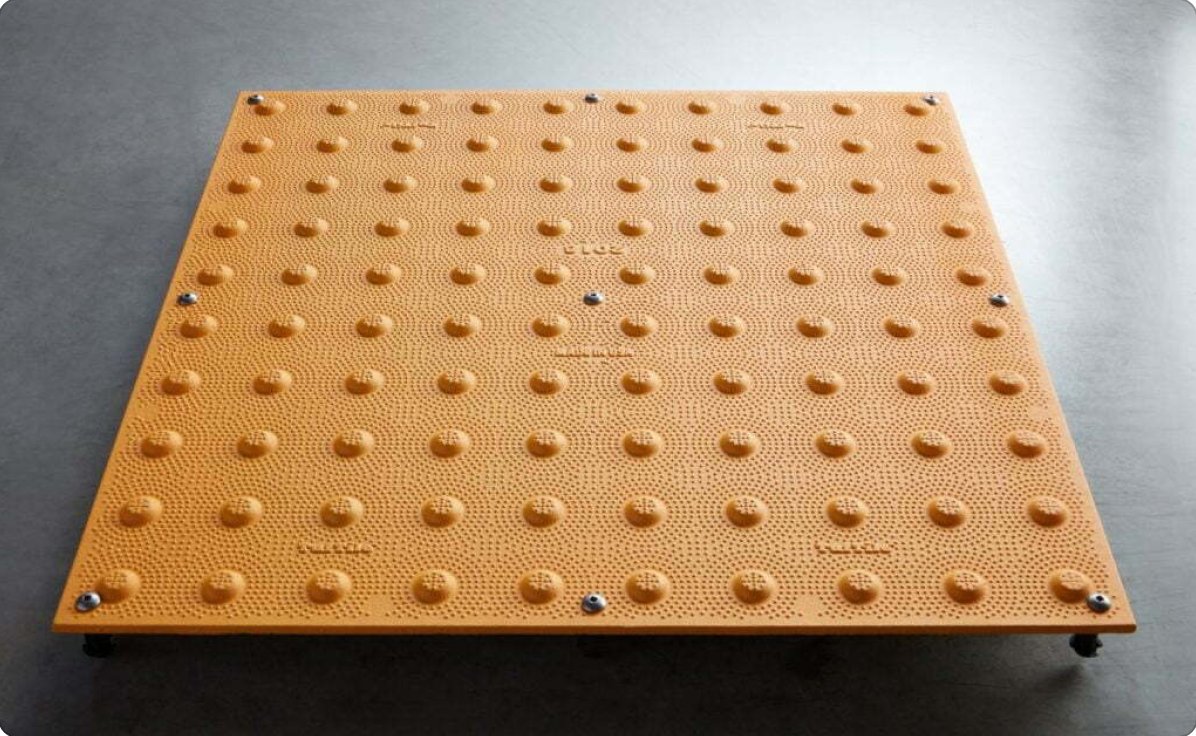
Why Are Detectable Warning Tiles Important?
Detectable warning tiles are a standard accessibility feature in many public infrastructure projects because they help create safer, more inclusive pedestrian environments.
They support independent travel for people who are blind or have low vision by providing a consistent tactile warning before potential hazards. Because their design is standardized, pedestrians can recognize and interpret these warning surfaces across different types of public spaces.
In addition to supporting accessibility, detectable warning tiles help designers, engineers, municipalities, and contractors create pedestrian infrastructure that complies with ADA requirements and supports long-term accessibility goals.
Common Applications for ADA Detectable Warning Tiles
ADA detectable warning tiles are commonly installed anywhere pedestrians transition from a protected walking route to an area where additional awareness is needed. Although curb ramps are the most familiar application, detectable warning tiles are used in a variety of public spaces where pedestrians encounter changes in the walking environment.

Curb Ramps & Street Crossings

Transit Platform Edges

Pedestrian Refuge Islands

Pedestrian Rail Crossings

Other Accessible Route Transitions
While these are among the most common applications, ADA requirements vary depending on the location and project type.
ADA Compliance at a Glance
The Americans with Disabilities Act (ADA) established accessibility requirements to help ensure public spaces are accessible to people with disabilities. Applicable accessibility standards and requirements define where detectable warning surfaces are required and the technical characteristics they must meet.
These standards address important details such as dome dimensions, spacing, visual contrast, placement, and installation to help create consistent, recognizable warning surfaces across different types of pedestrian environments.
Because ADA requirements vary depending on the application, it's important to understand the specific standards that apply to your project. When selecting or specifying detectable warning tiles, always verify that the product you choose is designed to comply with the applicable ADA requirements for its intended application.
ADA Detectable Warning Tile System Options
Several detectable warning tile systems are available to accommodate different construction methods and project requirements. Depending on the project, tiles may be installed in freshly poured concrete surface-applied to existing pedestrian walkways.

Wet-Set Detectable Warning Tiles
Wet-set (cast-in-place) systems are installed while concrete is being poured, making them a common choice for new construction projects.

Surface-Applied Detectable Warning Tiles
Surface-applied systems are mechanically fastened and adhered to existing concrete, making them ideal for retrofit projects and accessibility upgrades.

Replaceable Detectable Warning Tile Systems
Replaceable systems allow the warning surface to be removed and replaced without removing the surrounding concrete, simplifying future maintenance when needed.
Material Options for ADA Detectable Warning Tiles
ADA detectable warning tiles are available in several materials, each offering its own balance of durability, maintenance requirements, appearance, and installation considerations.
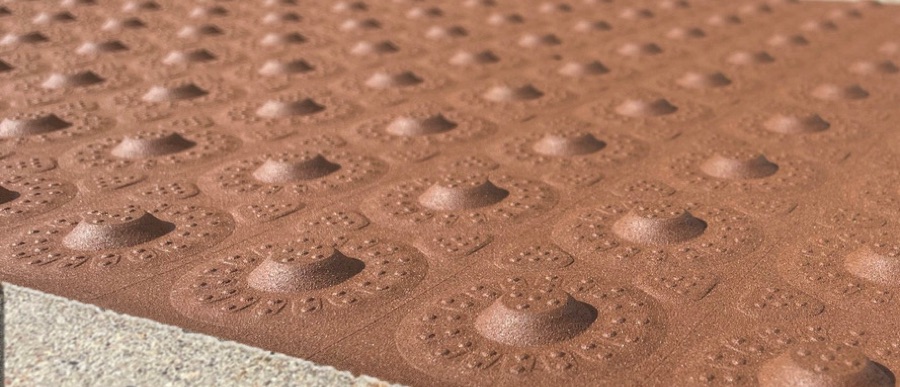
Galvanized Steel
Known for its exceptional durability and corrosion resistance, galvanized steel is often selected for demanding environments and long service life.
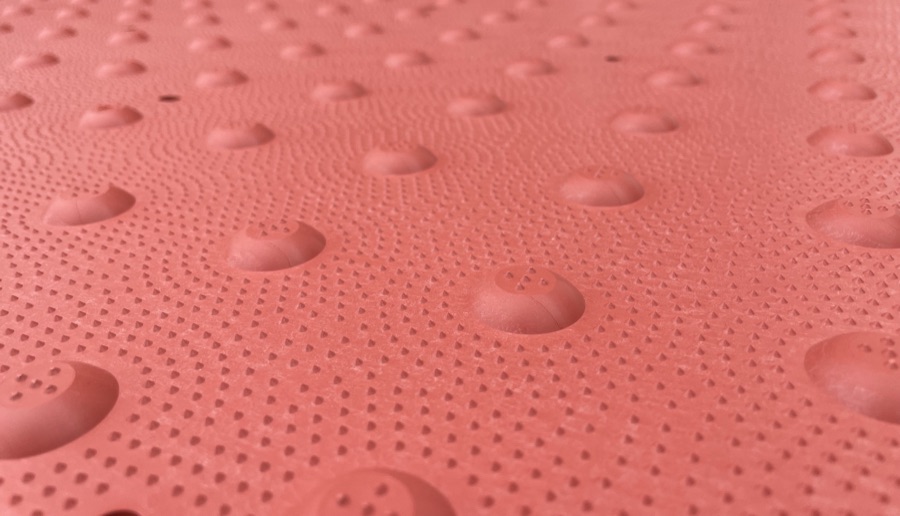
Polymer
Polymer tiles offer excellent durability, color stability, and low maintenance requirements, making them a popular choice for many commercial and municipal projects.
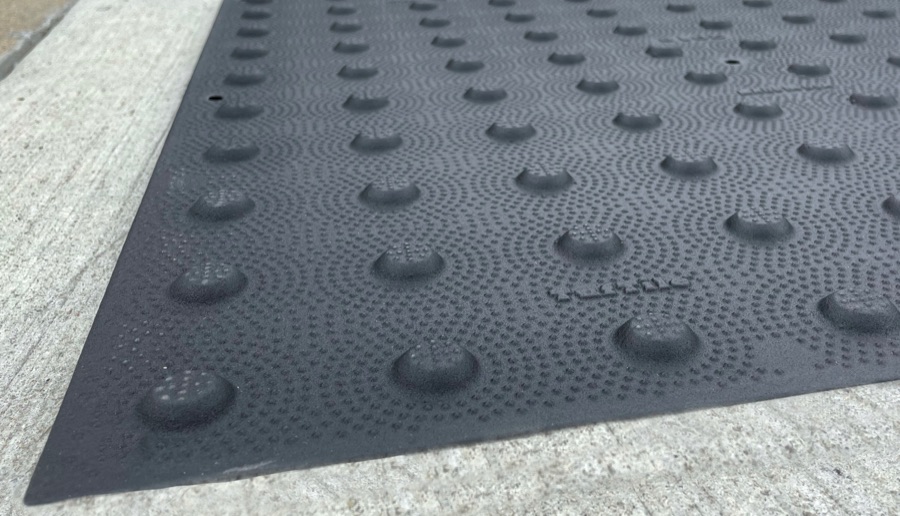
Cast Iron
Cast iron provides outstanding strength and durability for high-traffic environments where long-term performance is a priority.
No single material is the right choice for every project. The best option depends on factors such as project type, environmental conditions, maintenance expectations, and owner preferences.
Choosing the Right ADA Detectable Warning Tile
Selecting the right ADA detectable warning tile involves balancing several project-specific considerations, including:
-
 Installation Method
-
Material Selection
-
Project Location
-
High- or Low-Traffic Area
-
Environmental Conditions
-
Long-term Maintenance
-
Compliance Requirements
-
Owner Preferences
Evaluating these considerations early in the planning process can help narrow product options, simplify specification, and support long-term performance.
Explore ADA-Compliant Detectable Warning Tile Solutions
ADA detectable warning tiles play an essential role in creating safer, more accessible pedestrian environments. By understanding where they're used, how they support ADA compliance, and the different materials and system options available, project teams can make more informed specification decisions.
TufTile offers ADA-compliant detectable warning tile systems in multiple materials and installation methods, supported by engineering resources, technical documentation, and decades of manufacturing experience.
Learn More About TufTile Detectable Warning Tile Solutions
See how TufTile’s Complete Tactile Surface System works across different pedestrian environments with our Interactive Streetscape tool.

Need Help Selecting ADA Detectable Warning Tiles?
Whether you're designing a new project or upgrading existing infrastructure, our team can help you compare materials, installation methods, and product options to find the right solution.
Frequently Asked Questions
ADA detectable warning tiles are tactile walking surfaces with raised truncated domes that alert pedestrians with visual impairments to transitions between pedestrian routes and potential hazards.
They are commonly installed at curb ramps, transit platform edges, pedestrian refuge islands, pedestrian rail crossings, accessible route transitions, and other locations identified by ADA accessibility standards.
Yes. Applicable accessibility standards and requirements require detectable warning surfaces in specific applications to help provide accessible, consistent tactile warnings for pedestrians with visual impairments. The exact requirements depend on the location and project type.
Common materials include galvanized steel, polymer, and cast iron. Each offers different characteristics suited to various project requirements and environmental conditions.
Wet-set systems are installed during new concrete placement, while surface-applied systems are installed on existing concrete surfaces for retrofit and accessibility improvement projects.
The best choice depends on factors such as project type, installation method, material preferences, environmental conditions, maintenance expectations, applicable ADA requirements, and more.
Disclaimer: ADA and accessibility requirements may vary by jurisdiction, agency, and project and are subject to change. This content is provided for general educational purposes only. Always confirm current federal, state, local, agency, and project-specific requirements before specifying or installing detectable warning products.