

Truncated Dome Tiles: Materials, Systems & Installation Options
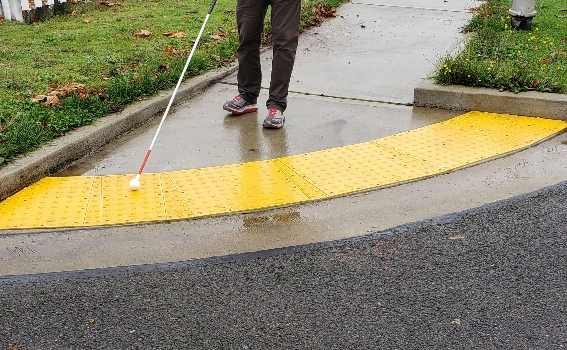
Truncated dome tiles are the industry-standard detectable warning surface used in transportation, streetscape, and public infrastructure projects throughout the United States. Characterized by a pattern of raised, truncated domes, these surfaces provide a tactile warning to pedestrians with visual impairments when approaching a roadway, transit platform edge, or other potential hazard.
Today, truncated dome warning tiles are specified on countless ADA-compliant projects because they provide a consistent, recognizable warning surface that can be detected underfoot and with a cane. Available in a variety of materials, installation methods, and product configurations, modern detectable warning tile systems can be adapted to meet the needs of new construction, retrofit projects, transit facilities, municipal streetscapes, and more.
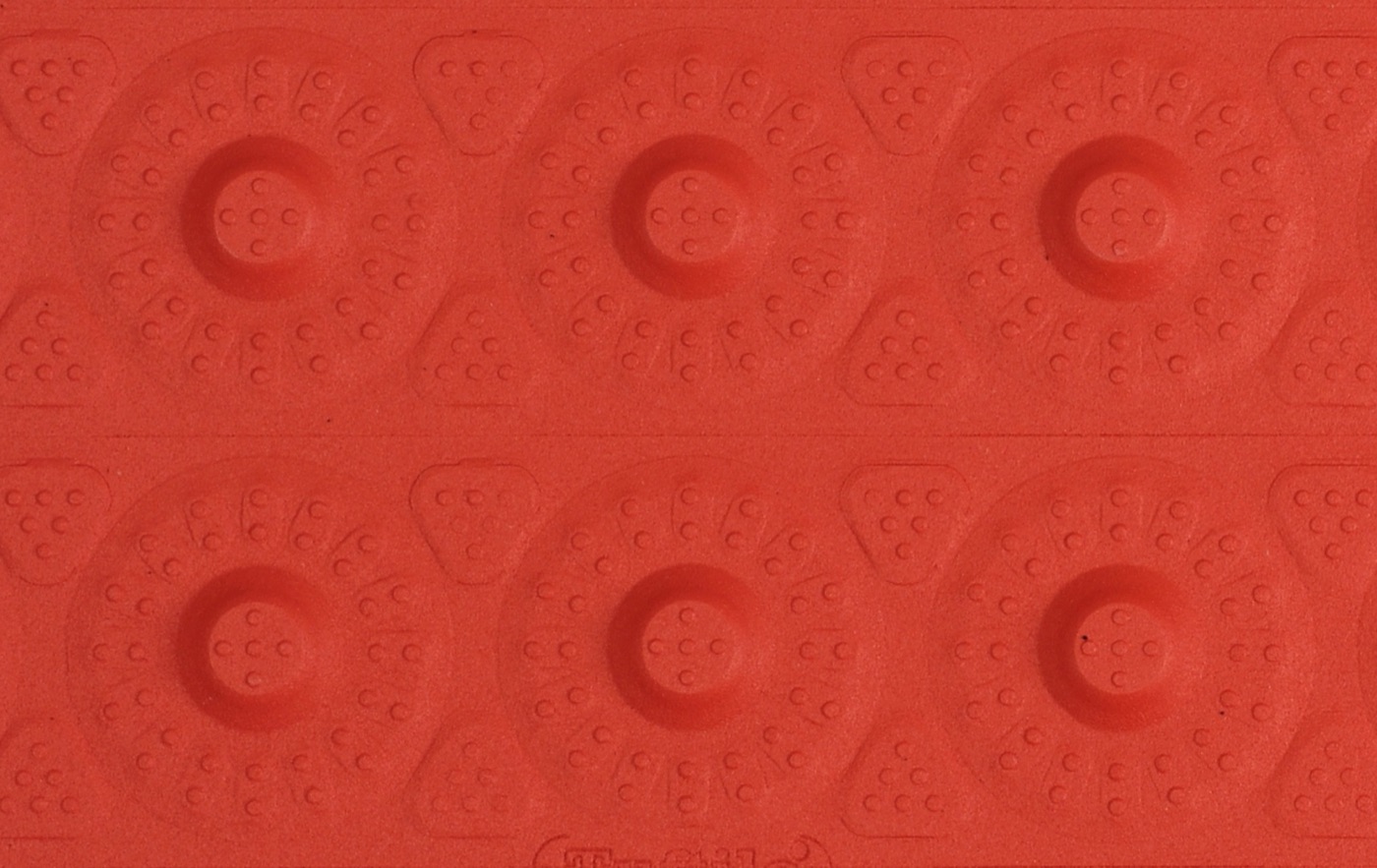
Galvanized Steel
Cast-In-Place and Surface-Applied
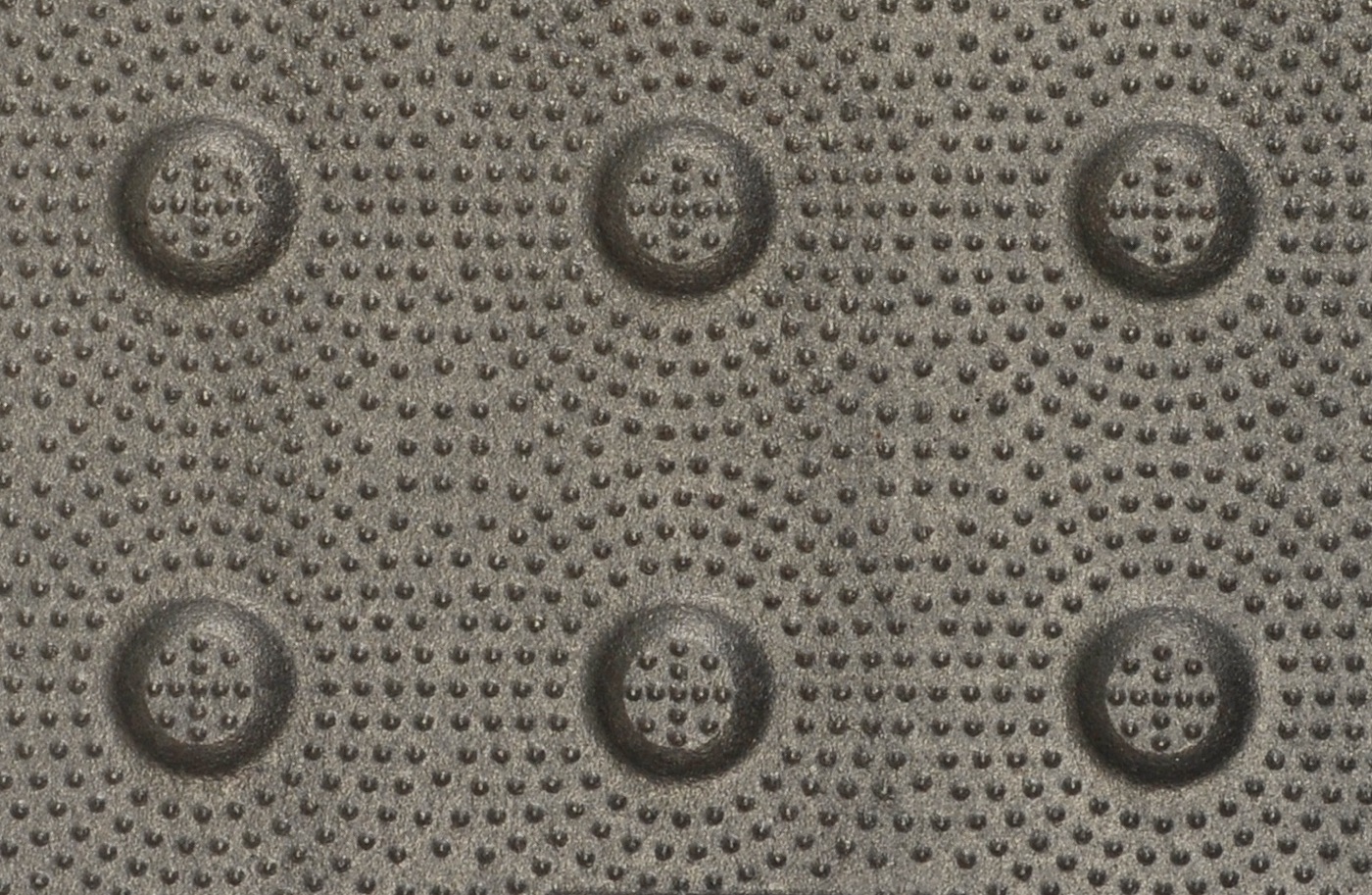
Cast Iron
Cast-In-Place

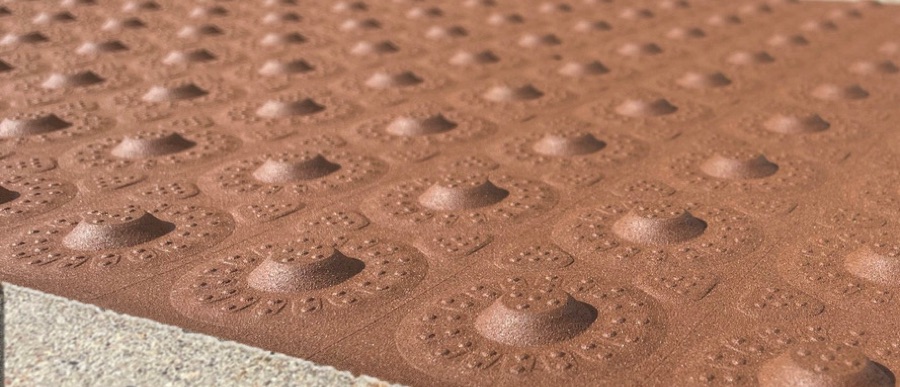
Polymer
Cast-In-Place and Surface-Applied
Truncated Dome Tiles: The Industry Standard for Detectable Warnings
The use of truncated dome tiles has become the accepted standard for detectable warning surfaces under ADA accessibility requirements. Their distinctive pattern provides a clear tactile cue that alerts pedestrians with visual impairments to an upcoming transition between pedestrian and vehicular areas or other potentially hazardous conditions.
Common applications include:

Curb ramps

Transit platform edges

Refuge islands

Public rights-of-way

Blended transitions

Pedestrian crossings

Transportation facilities
In project plans, specifications, and industry discussions, these products may be identified as truncated dome tiles, ADA truncated domes, detectable warning tiles, or truncated dome warning tiles.
Not All Truncated Dome Tiles Are Built the Same
Although detectable warning surfaces share a common purpose, not all systems offer the same long-term performance, installation flexibility, or maintenance characteristics.
Several factors can influence product selection, including:

Material type
Installation method
Project environment
Traffic volume
Exposure to weather and maintenance equipment
Agency or project specifications
Some systems are designed primarily for new construction, while others are intended for retrofit applications. Certain materials may be preferred for high-traffic environments, while others may be selected for their corrosion resistance, appearance, or ease of installation.
Designed for Long-Term Performance in Demanding Environments
Detectable warning tiles are expected to perform for years in some of the most challenging pedestrian environments. Depending on the application and location, products may be exposed to any of the following:

Heavy pedestrian traffic

Wheelchairs, scooters, and other mobility devices

Strollers, bicycles, and other non-motorized transportation

Long-term UV exposure

Repeated freeze-thaw cycles

Moisture, deicing salts, and harsh weather conditions

Snow removal and maintenance operations
As a result, durability is often a key consideration when selecting a product. Material choice, anchoring methods, and installation quality all contribute to the long-term performance of a detectable warning system.
For municipal, transportation, and commercial projects where longevity is a priority, choosing a system designed to withstand such demanding conditions as those listed above can help reduce future maintenance and replacement costs.
Available Materials and Product Configurations
Modern truncated dome tile systems are available in a variety of materials, each offering unique advantages depending on the project requirements.
Galvanized Steel Truncated Dome Tiles
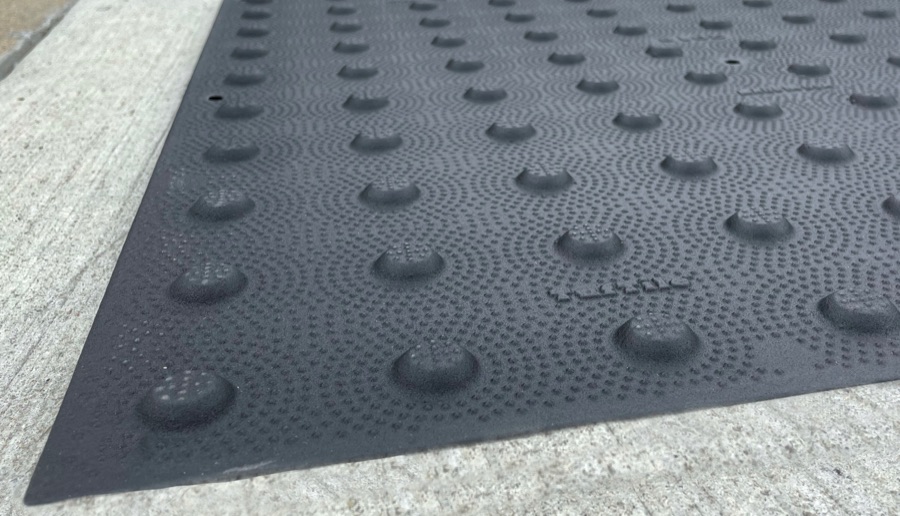
Galvanized steel detectable warning tiles provide exceptional durability and corrosion resistance while maintaining a low-profile design. Commonly specified for transportation, municipal, and commercial applications, galvanized steel systems are available in both cast-in-place and surface-applied configurations.
Cast Iron Truncated Dome Tiles
Cast iron detectable warning tiles have long been used in public infrastructure projects due to their strength and durability. Cast iron systems are typically specified for cast-in-place installations and are well-suited for demanding environments where long service life is essential.
Polymer Truncated Dome Tiles
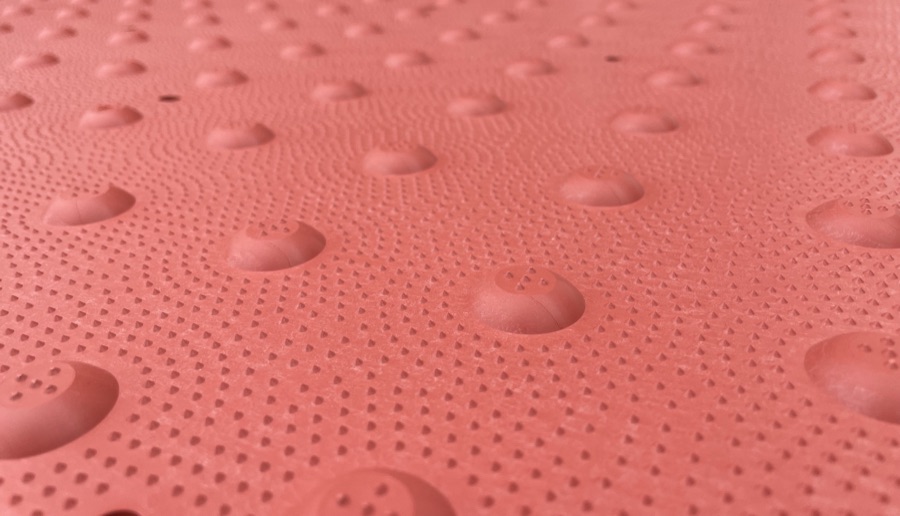
Polymer detectable warning tiles offer a lightweight, corrosion-resistant solution available in a variety of colors and configurations. Polymer systems are commonly used in both new construction and retrofit projects and are available in cast-in-place and surface-applied options.
Understanding Your Installation Options
Selecting the right installation method is often just as important as selecting the right material. Each approach offers unique advantages depending on project goals, construction schedules, and long-term maintenance considerations.

Cast-In-Place Detectable Warning Tiles
Cast-in-place systems are installed during concrete placement and become integrated into the finished surface. These systems are commonly specified for new construction projects and major reconstruction efforts.

Surface-Applied Detectable Warning Tiles
Surface-applied systems are mechanically fastened and bonded to existing concrete surfaces. They provide an effective solution for retrofit projects where removing and replacing concrete may not be practical or cost-effective.

Replaceable Detectable Warning Systems
Replaceable systems utilize a frame-and-panel design that allows the detectable warning surface to be replaced independently if future maintenance or updates are required.
Matching the Product to the Project
No single detectable warning system is ideal for every application. Evaluating project-specific requirements early can help ensure the selected system aligns with performance expectations, installation needs, and long-term goals.
New Construction vs. Retrofit Installation
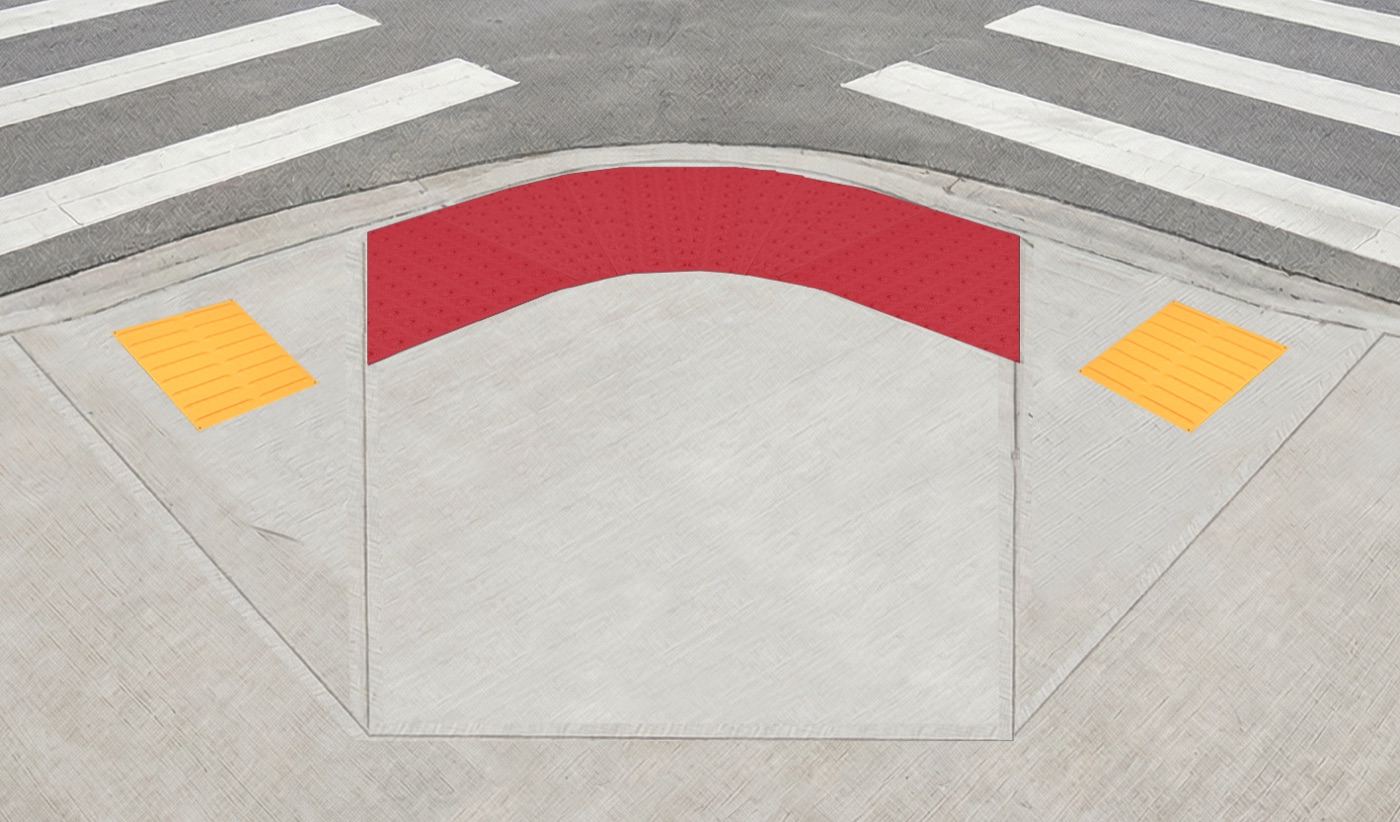
Projects involving new concrete placement are usually a good fit for cast-in-place systems, while existing facilities can benefit from surface-applied solutions.
Transportation and Transit Facilities
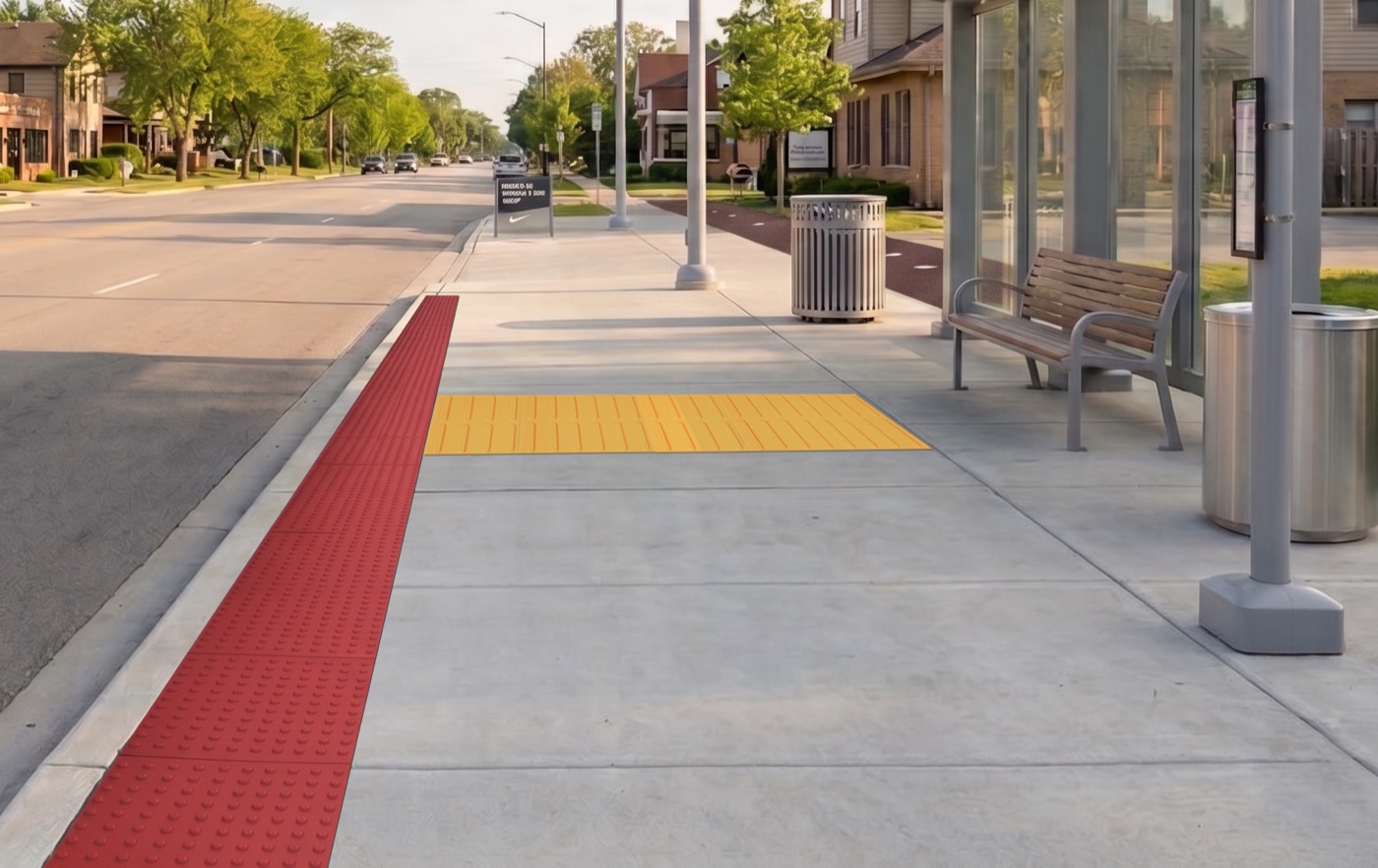
Transit environments frequently require durable systems capable of withstanding heavy pedestrian traffic and demanding maintenance conditions.
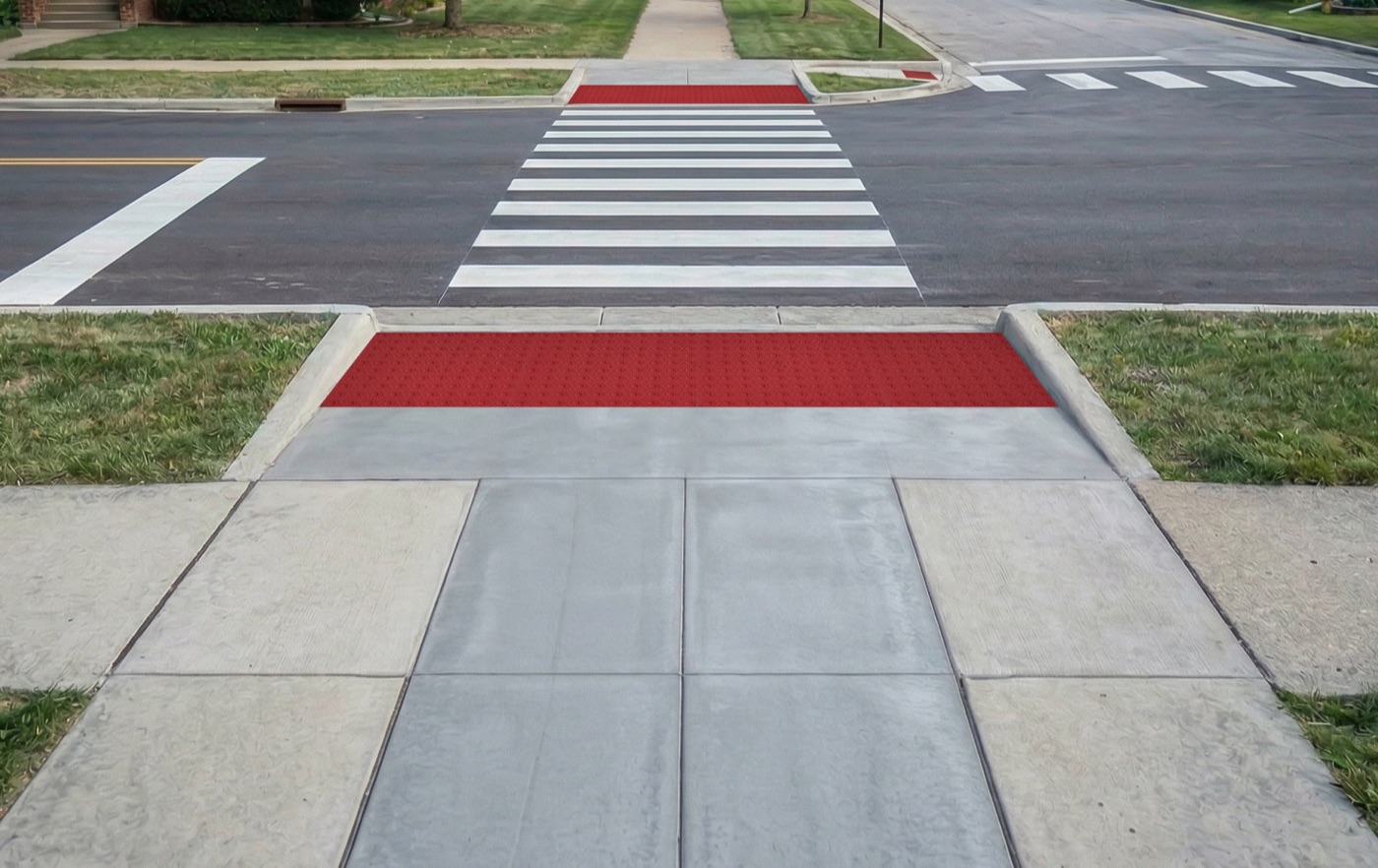
Municipal Streetscape Improvements
When selecting a detectable warning solution for municipal projects, project teams must often balance durability, aesthetics, installation requirements, and long-term maintenance considerations.
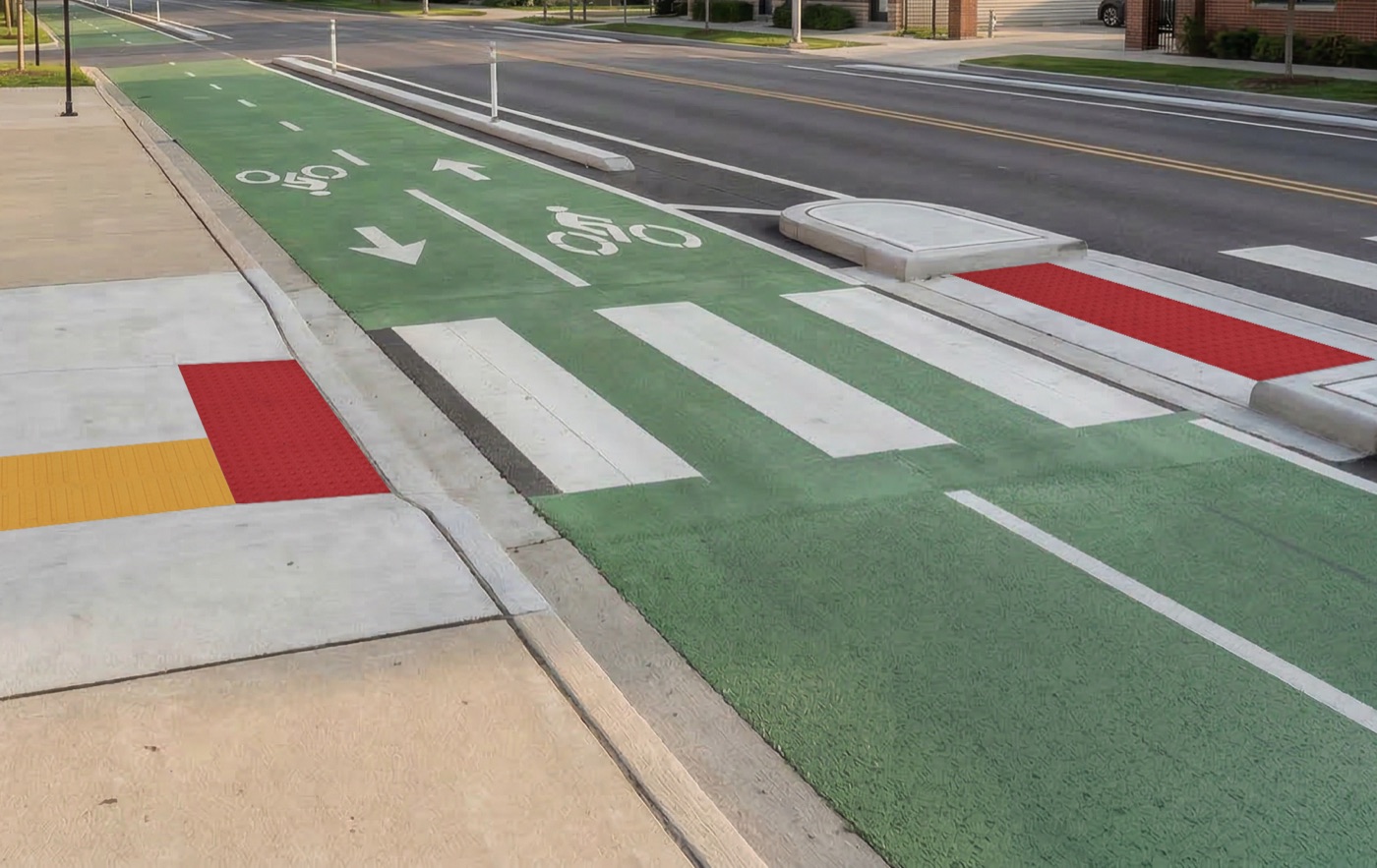
High-Traffic Pedestrian Areas
Areas with significant daily pedestrian activity may require materials and system designs specifically engineered for long-term performance.
Learn More About TufTile Detectable Warning Tile Solutions
See how TufTile’s Complete Tactile Surface System works across different pedestrian environments with our Interactive Streetscape tool.

Need Help Evaluating Your Detectable Warning Tile Options?
Whether you're comparing materials, reviewing installation methods, or planning a new project, our team can help you identify the right detectable warning solution for your application.
Frequently Asked Questions
Truncated dome tiles are detectable warning surfaces that use a standardized pattern of raised domes to alert pedestrians with visual impairments to potential hazards or transitions within the pedestrian environment.
Truncated domes provide a consistent tactile warning surface that can be detected underfoot and with a cane. Their standardized design has become the accepted detectable warning solution for ADA-compliant applications throughout the United States.
In most cases, yes. The terms truncated dome tiles, detectable warning tiles, ADA truncated domes, and truncated dome warning tiles are often used interchangeably within the industry.
Common materials include galvanized steel, cast iron, and polymer, each offering different performance characteristics and installation options.
Yes. Many detectable warning tile systems are available in both cast-in-place and surface-applied configurations, although certain materials and product types may be limited to specific installation methods.
No. Cast iron detectable warning tiles are typically available only as cast-in-place systems.
Truncated dome tiles provide a warning of potential hazards or transitions, while directional guidance indicators use raised bars to help guide pedestrians along a desired path of travel.