

Cast-In-Place Detectable Warning Tiles for New Construction Projects
When constructing new pedestrian infrastructure, cast-in-place detectable warning tiles are often the preferred solution. Installed during concrete placement, these embedded detectable warning systems become integrated into the finished concrete surface, creating a seamless connection between the warning surface and surrounding infrastructure.
Unlike surface-applied systems, which are designed for retrofit applications, cast-in-place detectable warning tiles are intended for new construction and reconstruction projects where concrete work is already part of the project scope. Rather than being attached to the surface afterwards, they are installed within newly poured concrete. Once the concrete cures, the system is integrated into the surrounding infrastructure. This makes them a common choice for municipalities, transportation agencies, engineers, contractors, and specifiers seeking a long-term detectable warning solution.
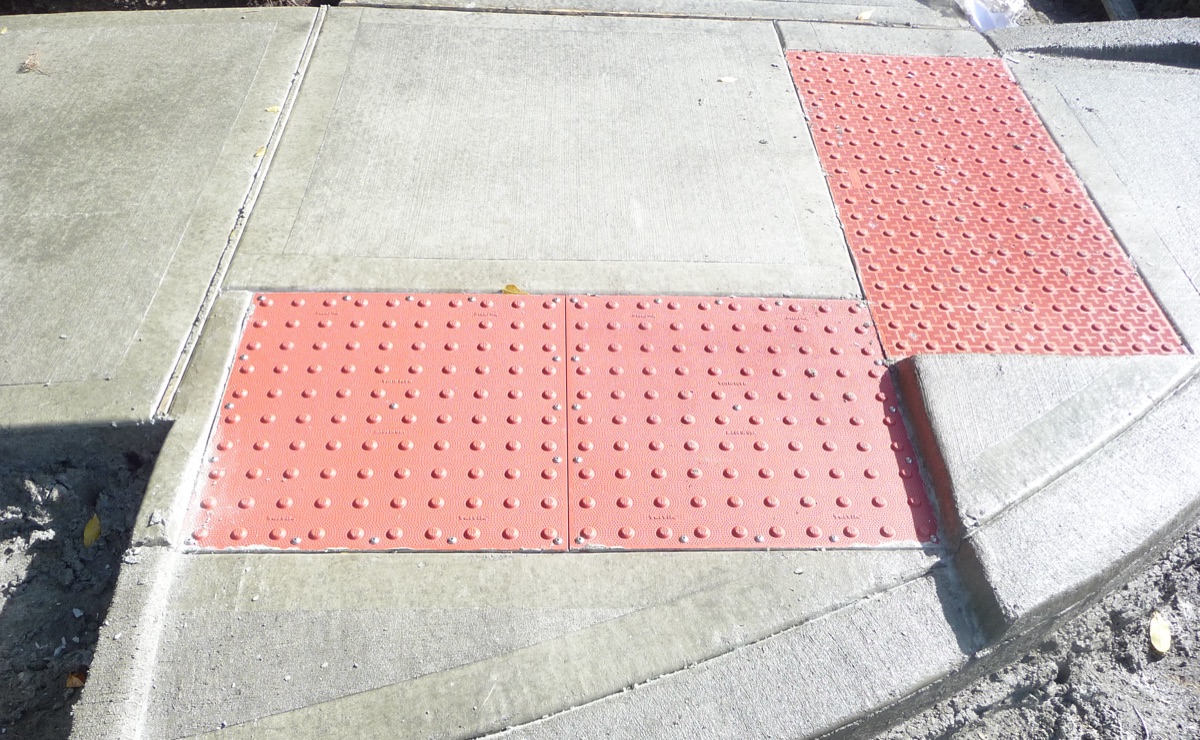
Cast-In-Place Systems: The Ideal Choice for New Construction and Reconstruction Projects
Because the system is integrated into the concrete during construction, cast-in-place detectable warning tiles are often selected for projects where long-term durability and lifecycle performance are important considerations.
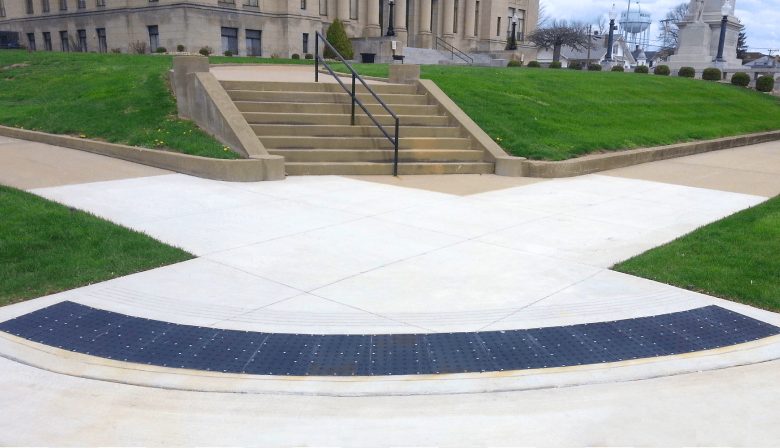
New Construction Projects
Cast-in-place systems remain one of the most widely specified detectable warning solutions for new construction, including new sidewalks, curb ramps, pedestrian crossings, and streetscape projects.
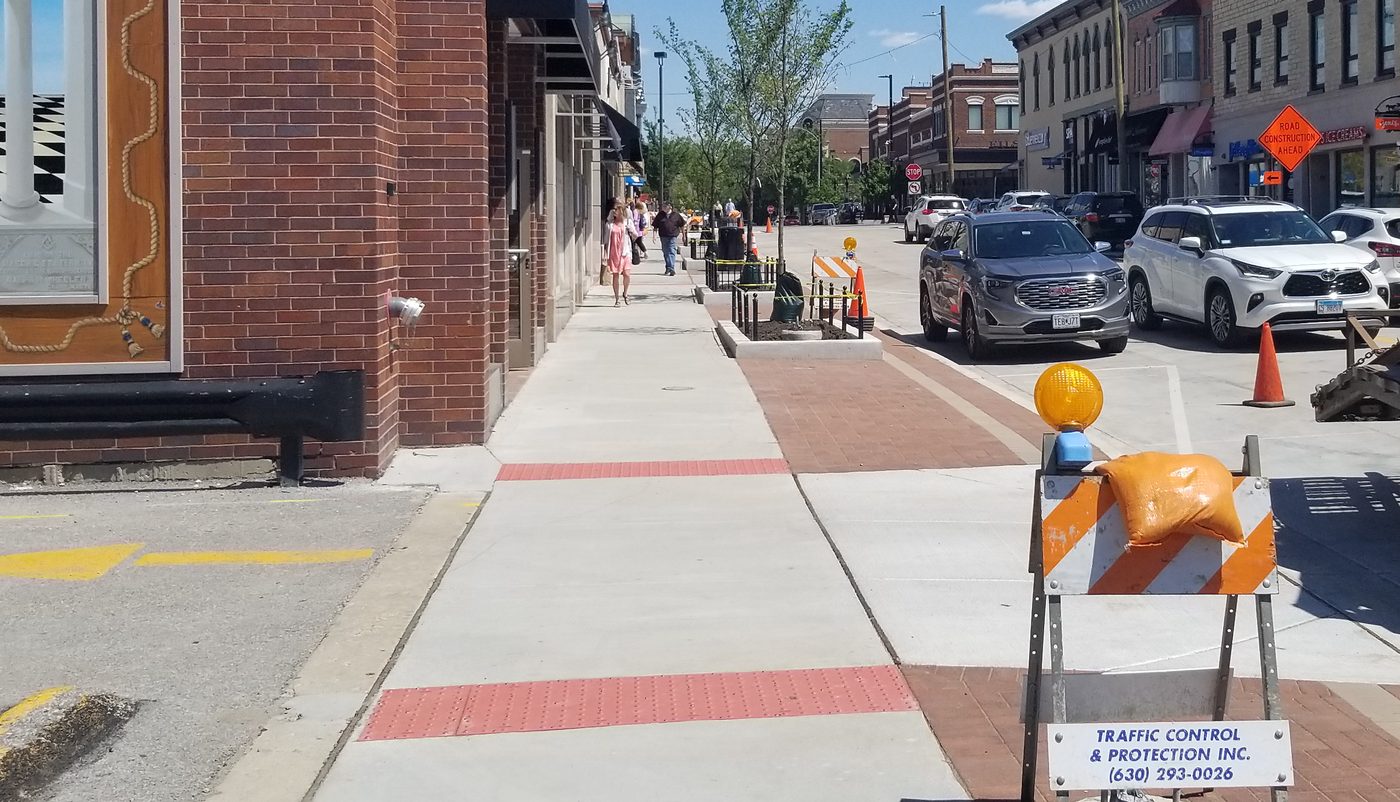
Reconstruction Projects
Many reconstruction projects involve complete removal and replacement of existing concrete infrastructure. When new concrete is being installed, cast-in-place systems are frequently specified as part of the rebuilt facility.

Demanding Pedestrian Environments
Modern cast-in-place systems are designed to withstand exposure to heavy pedestrian traffic, mobility devices, weather exposure, freeze-thaw cycles, deicing salts, and routine maintenance activities.
Cast-In-Place vs. Surface-Applied Detectable Warning Tiles
Both cast-in-place and surface-applied detectable warning systems are widely used to provide ADA-compliant tactile warning surfaces. The primary difference is whether the tile is installed during concrete placement or attached to existing concrete after construction is complete.
When Cast-In-Place Systems Make Sense
Cast-in-place detectable warning tiles are typically preferred when:
-
 New concrete is being installed
-
New curb ramps are being constructed
-
New sidewalks are being poured
-
Major reconstruction projects are underway
-
Long-term integration with the concrete structure is desired
When Surface-Applied Systems Make Sense
Surface-applied detectable warning tiles are typically preferred when:
-
Existing concrete remains structurally sound
-
Accessibility upgrades are being added to an existing facility
-
Reconstruction is not practical or cost-effective
-
Project schedules are limited
-
Minimizing disruption is a priority
Material Options for Cast-In-Place Detectable Warning Tiles
Cast-in-place detectable warning systems are available in several material options, each offering unique characteristics related to durability, appearance, maintenance requirements, and project specifications.
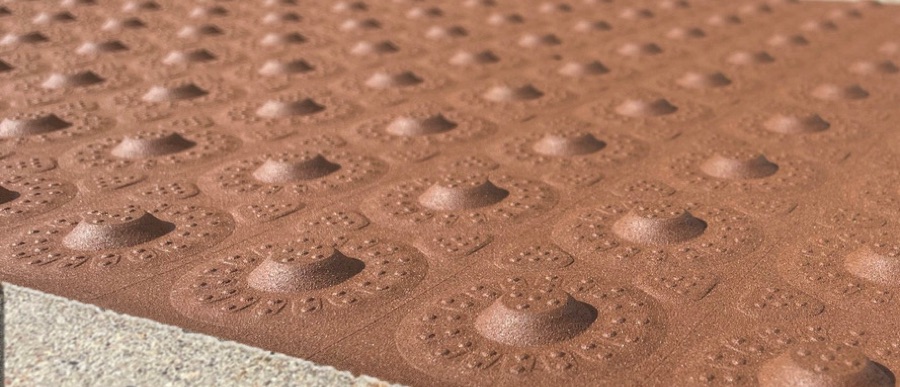
Galvanized Steel Cast-In-Place Tiles
Galvanized steel detectable warning tiles are known for their strength, corrosion resistance, and long service life. These systems are well suited for municipal infrastructure, transportation facilities, and other demanding pedestrian environments.
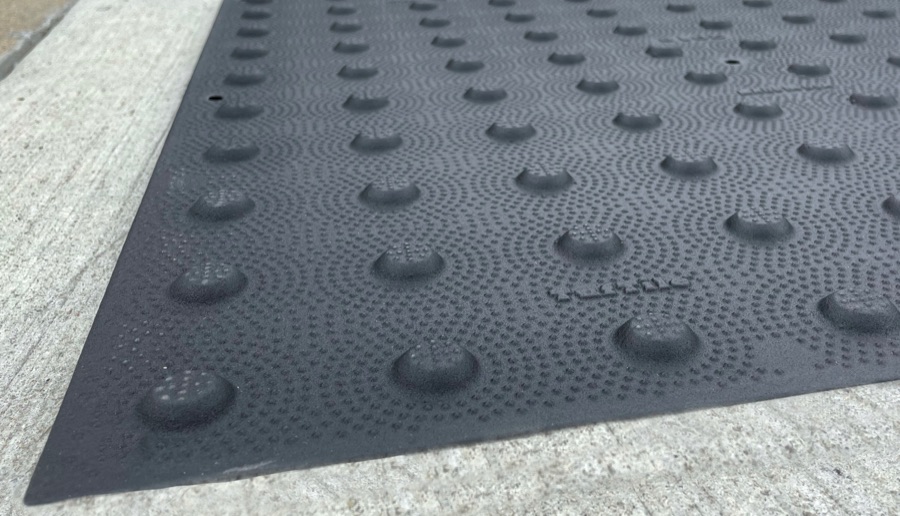
Cast Iron Cast-In-Place Tiles
Cast iron detectable warning tiles are designed for projects where maximum durability is a priority. Their robust construction allows them to withstand some of the harshest weather conditions and demanding pedestrian environments, making them a popular choice for municipal, transportation, and infrastructure applications.
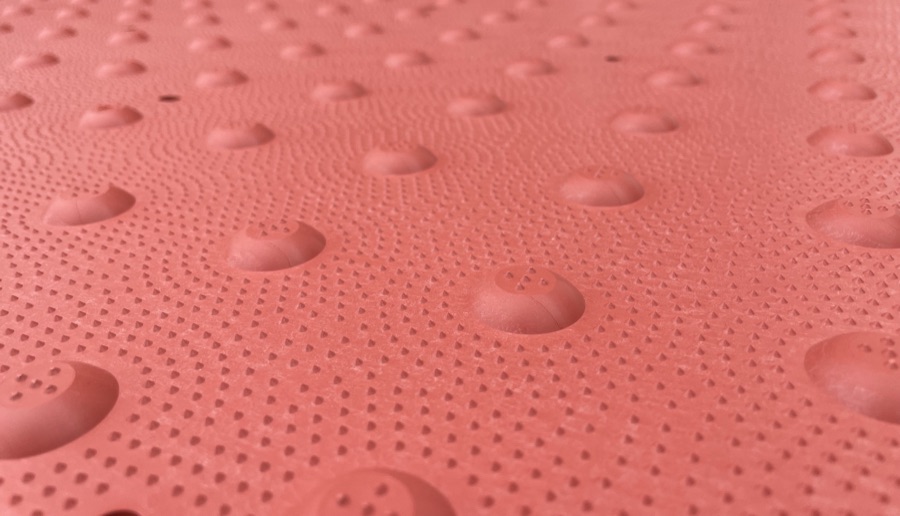
Polymer Cast-In-Place Tiles
TufTile polymer detectable warning tiles are manufactured using a proprietary resin engineered to resist cracking, chipping, and fading while maintaining long-term tactile performance. Available in multiple colors and configurations, they provide a durable, low-maintenance solution for municipal, commercial, educational, and institutional projects.
Common Applications for Cast-In-Place Detectable Warning Tiles

New Curb Ramp Construction

New Sidewalk Projects

Transit Platforms and Stations

Streetscape Improvements

Infrastructure Reconstruction Projects
Project Considerations for Cast-In-Place Detectable Warning Systems
Selecting a cast-in-place detectable warning system involves evaluating several project-specific factors before construction begins.

Concrete Placement Requirements
Because cast-in-place systems are installed during concrete placement, coordination with construction schedules and project sequencing is important.
Project Schedule
Understanding when concrete work will occur helps ensure detectable warning systems are incorporated into the project at the appropriate stage of construction.
Material Selection
Project requirements, environmental conditions, maintenance expectations, and owner preferences may all influence material selection.
Owner and Agency Specifications
Many municipalities, transportation agencies, and project owners maintain approved product lists or establish specification requirements that influence product selection.
Learn More About TufTile Detectable Warning Tile Solutions
See how TufTile’s Complete Tactile Surface System works across different pedestrian environments with our Interactive Streetscape tool.

Need Help Selecting a Cast-In-Place Detectable Warning System?
Whether you're planning a new construction project, rebuilding existing infrastructure, or comparing material options, our team can help identify the right solution for your application.
Frequently Asked Questions
Cast-in-place detectable warning tiles are tactile warning surfaces that are installed during concrete placement and become integrated into the finished concrete structure.
An embedded detectable warning system is a detectable warning tile that is installed within newly placed concrete rather than attached to the surface after construction.
Cast-in-place systems are typically used for new construction and reconstruction projects where concrete placement is already part of the project scope.
Yes. When manufactured and installed in accordance with applicable standards and project specifications, cast-in-place detectable warning tiles can satisfy ADA detectable warning requirements.
Common options include galvanized steel, cast iron, and polymer. Each material offers unique advantages depending on project requirements and environmental conditions.
Yes. Cast-in-place systems are most commonly specified for new sidewalks, curb ramps, pedestrian crossings, transit facilities, and reconstruction projects involving new concrete placement.
Cast-in-place systems are installed during concrete placement and become integrated into the finished surface. Surface-applied systems are attached to existing concrete and are most commonly used for retrofit applications.