

Detectable Warning Tile Installation: Methods, Best Practices & Project Considerations
Proper detectable warning tile installation plays an important role in the long-term performance, durability, and accessibility of pedestrian infrastructure. While detectable warning tile systems serve a common purpose, installation approaches can vary significantly depending on project conditions, site requirements, and the type of system being specified. Cast-in-place systems are generally incorporated into newly poured concrete, while surface-applied systems are typically installed on existing concrete surfaces. Each approach presents unique considerations related to planning, coordination, construction sequencing, and quality control.
This guide provides an overview of common detectable warning tile installation methods, ADA tile installation considerations, and project factors that may influence system selection and installation planning.
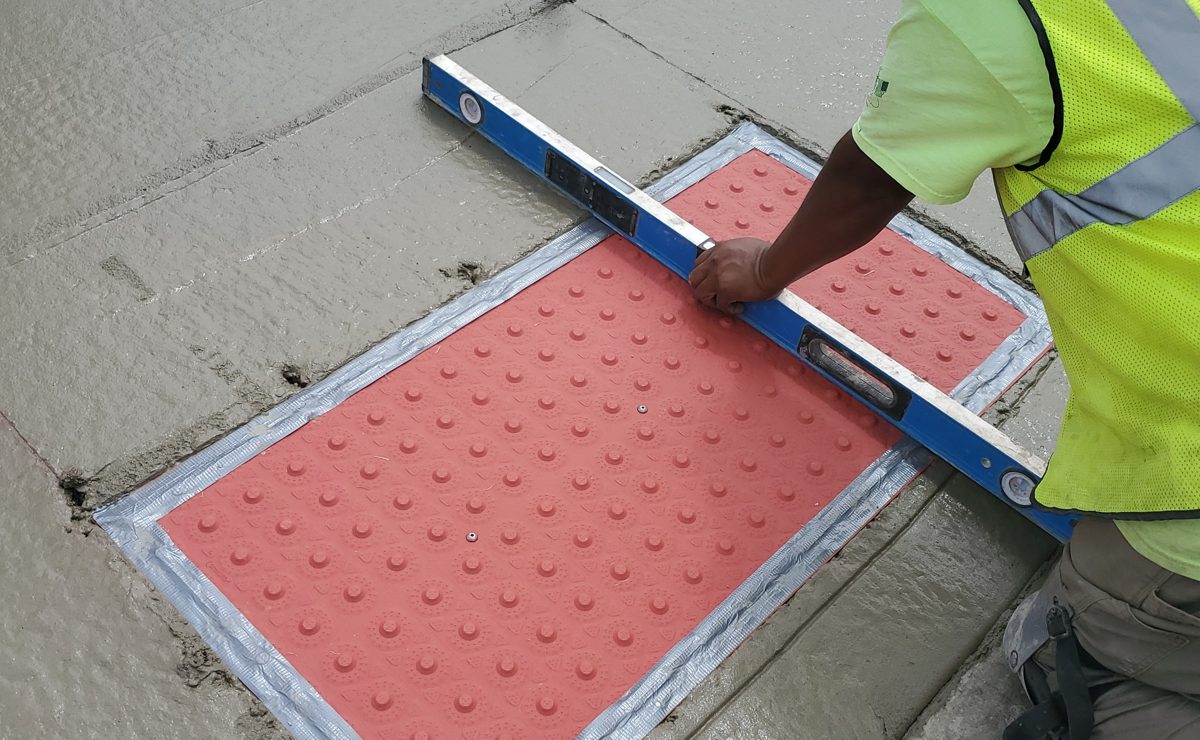
Understanding Detectable Warning Tile Installation Requirements
For contractors and project teams, detectable warning tile installation is typically one component of a larger construction or accessibility improvement project. As a result, installation planning often involves coordination among multiple parties — including engineers, contractors, inspectors, municipalities, and facility owners — to ensure the selected system aligns with overall project objectives.
Because installation requirements can vary by product and application, project teams frequently review manufacturer documentation, contract documents, and applicable accessibility standards during project planning and execution.
Cast-In-Place Detectable Warning Tile Installation
Cast-in-place detectable warning tiles are installed during the concrete placement process and become integrated into the finished concrete surface. Installation planning often includes coordination between concrete placement activities and detectable warning tile placement.
Cast-in-place detectable warning tiles are frequently specified for:

New curb ramps

New sidewalk construction

Streetscape improvement projects

Transit platform construction

Infrastructure reconstruction projects
Surface-Applied Detectable Warning Tile Installation
Surface-applied detectable warning tiles are installed on cured concrete surfaces using attachment methods specified by the manufacturer. Project teams often evaluate factors such as concrete condition, surface preparation requirements, installation timing, and project access when planning installation activities.
Surface-applied detectable warning tiles are frequently used for:
Existing curb ramp upgrades

ADA transition plan projects
Sidewalk rehabilitation projects

Accessibility retrofits

Transportation facility upgrades
Planning for Successful Detectable Warning Tile Installation
Regardless of installation method, planning is often one of the most important factors influencing project outcomes. Early evaluation of project conditions can help identify potential challenges before installation begins.

Project Conditions
Site conditions frequently influence installation decisions. Existing concrete condition, project scope, pedestrian traffic requirements, environmental exposure, and construction schedules may all affect the selection of an installation method.
Material Selection
Material selection can influence installation planning, maintenance expectations, environmental performance, and long-term project goals. Factors such as project location, anticipated traffic levels, owner preferences, and lifecycle considerations may all play a role in material selection.
Construction Coordination
Detectable warning tile installation is often integrated into broader construction activities. Coordination between trades, construction sequencing, inspection requirements, and project schedules may influence installation planning and execution.
Common Factors That Can Impact Installation Outcomes
While every project presents unique conditions, several common considerations frequently arise during detectable warning tile installation planning.
Alignment and Placement Considerations
Proper alignment and placement are often important considerations for both functionality and compliance. Project teams commonly evaluate layout requirements, site geometry, and project specifications when determining placement locations.
Existing Surface Conditions
For retrofit applications, the condition of the existing concrete surface may influence whether a surface-applied system is appropriate or whether reconstruction should be considered as part of the project scope.
Construction Scheduling
Installation timing can vary depending on project sequencing, weather conditions, access requirements, and coordination with other construction activities. These factors may influence both installation method selection and project planning.
Protecting Completed Work
On active construction sites, project teams often consider how newly installed detectable warning tiles will be protected from damage during subsequent construction activities, material handling, or equipment movement. In some cases, installation sequencing may also affect access, pedestrian routing, and coordination with adjacent construction activities.
Quality Control and Inspection Considerations
Quality control is often an important part of detectable warning tile installation. Inspection procedures may vary by project, but they commonly focus on verifying that the installed system aligns with project specifications, manufacturer requirements, and applicable accessibility standards.

Installation Verification
Project teams frequently verify detectable warning tile placement, alignment, material selection, and installation method during construction and prior to project closeout. Early identification of potential issues may help minimize rework and support overall project quality.

Coordination Between Stakeholders
Detectable warning tile installations often involve multiple parties, including contractors, engineers, inspectors, owners, and accessibility consultants. Clear communication throughout the project can help ensure installation requirements are understood and properly coordinated.

Project Documentation
Installation documentation, manufacturer information, and project specifications are commonly reviewed during quality assurance and project closeout activities. Maintaining accurate records can help support future maintenance, repairs, and replacement planning.
ADA Compliance Considerations for Detectable Warning Tile Installation
Detectable warning systems play an important role in helping facilities meet accessibility objectives. While the specific requirements applicable to a project may vary, installation quality and placement are often key considerations in achieving intended accessibility outcomes. During planning and construction, project teams typically review applicable standards, project specifications, and accessibility requirements during planning and construction.
It is important to note that ADA compliance involves more than simply selecting a compliant product. Factors such as placement location, installation method, surrounding site conditions, and project-specific requirements may all influence compliance considerations.
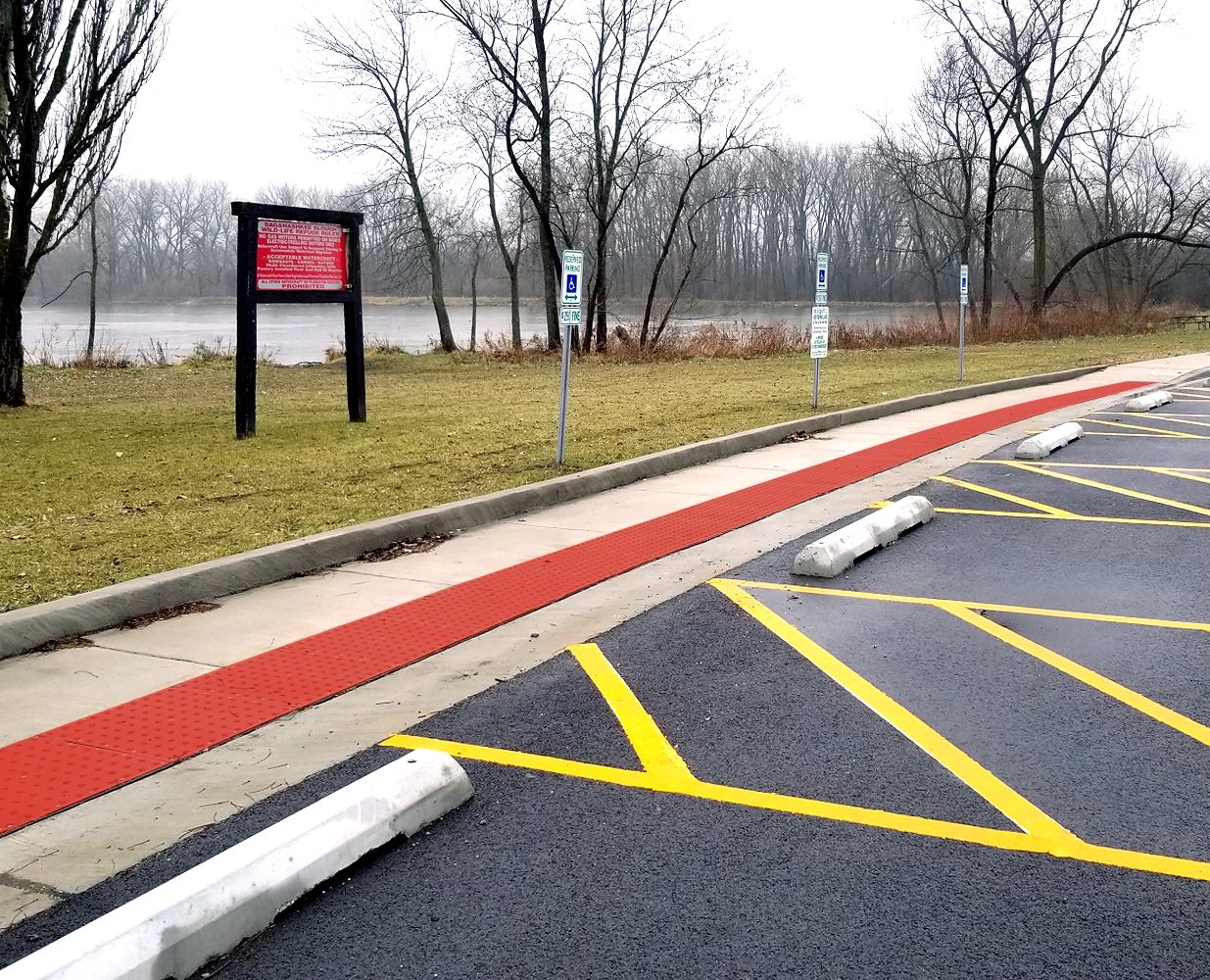
Key Considerations Before Installation Begins
Before detectable warning tile installation begins, project teams often review a series of planning, coordination, and quality-control considerations. The checklist below highlights several common questions that may be evaluated during project planning.
-
 Is the project new construction, reconstruction, or retrofit work?
-
Is a cast-in-place or surface-applied system better suited for the project conditions?
-
Has the condition of existing concrete been evaluated?
-
Does the selected material align with project goals and environmental conditions?
-
Have project specifications and manufacturer documentation been reviewed?
-
Have quality control and inspection requirements been identified?
-
Have installation activities been coordinated with other construction work?
Successful Installation Starts with Proper Planning
Successful detectable warning tile installation often begins with understanding project requirements, site conditions, installation methods, and long-term performance expectations. Project planning, coordination, quality control, and attention to accessibility considerations all play a role in helping ensure detectable warning systems perform as intended throughout their service life. By evaluating project conditions early and reviewing applicable specifications and manufacturer guidance, project teams can make informed decisions that support both project goals and accessibility objectives.
Learn More About TufTile Detectable Warning Tile Solutions
See how TufTile’s Complete Tactile Surface System works across different pedestrian environments with our Interactive Streetscape tool.

Need Help Selecting the Right Detectable Warning Tile System?
Whether you're planning a new construction project, evaluating retrofit options, or comparing material choices, our team can help identify a detectable warning tile solution that aligns with your project requirements.
Frequently Asked Questions
Detectable warning tile installation methods vary depending on the type of system being specified. Cast-in-place systems are typically incorporated into newly poured concrete, while surface-applied systems are generally installed on existing concrete surfaces using manufacturer-specified attachment methods. Installation requirements may vary based on project conditions, product selection, and project specifications.
The primary difference is when and how the detectable warning tile is installed. Cast-in-place systems are integrated into fresh concrete during construction, while surface-applied systems are added to existing concrete after it has cured. The appropriate method often depends on whether the project involves new construction, reconstruction, or retrofit work.
Surface preparation requirements vary by installation method, product type, and project conditions. For surface-applied systems, existing concrete condition is often evaluated as part of installation planning. Project teams typically review manufacturer recommendations and project specifications when assessing surface preparation requirements.
Installation quality may influence whether a detectable warning system performs as intended and aligns with project accessibility requirements. Placement location, alignment, installation method, and adherence to project specifications are commonly evaluated as part of accessibility and compliance considerations.
Project teams frequently evaluate factors such as project scope, installation method, site conditions, material selection, existing concrete condition, project specifications, and inspection requirements before installation begins. Early planning can help support efficient project execution and long-term system performance.