

Replaceable Detectable Warning Tiles: Flexible Systems for Long-Term Maintenance
When planning pedestrian infrastructure, it's important to consider not only initial construction costs but also the long-term maintenance of accessibility features. Replaceable detectable warning tiles are designed to provide the same ADA-compliant tactile warning surface as traditional cast-in-place systems while allowing the tactile surface to be replaced without removing the surrounding concrete if future maintenance becomes necessary.
This approach differs from traditional embedded systems where replacing a damaged tile may require removing and replacing portions of the adjacent concrete. By separating the structural anchoring system from the replaceable warning surface, these systems are designed to support long-term maintenance while preserving the surrounding infrastructure.
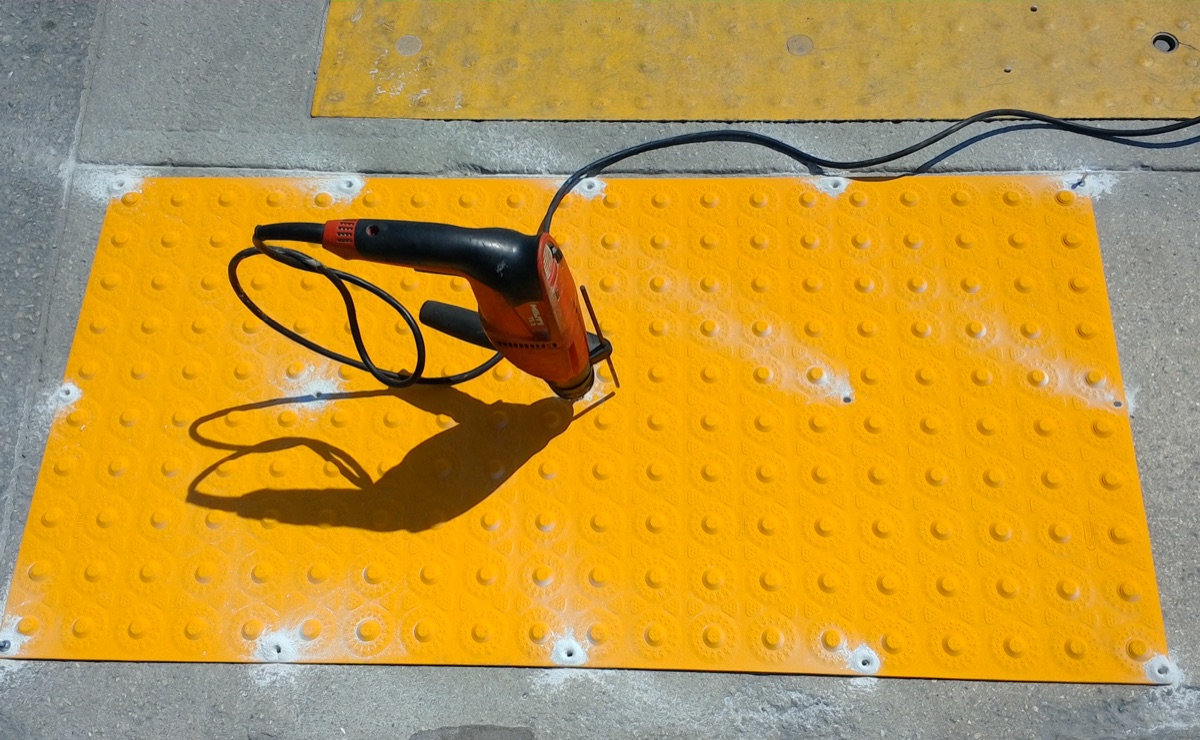
How Replaceable Detectable Warning Tile Systems Work
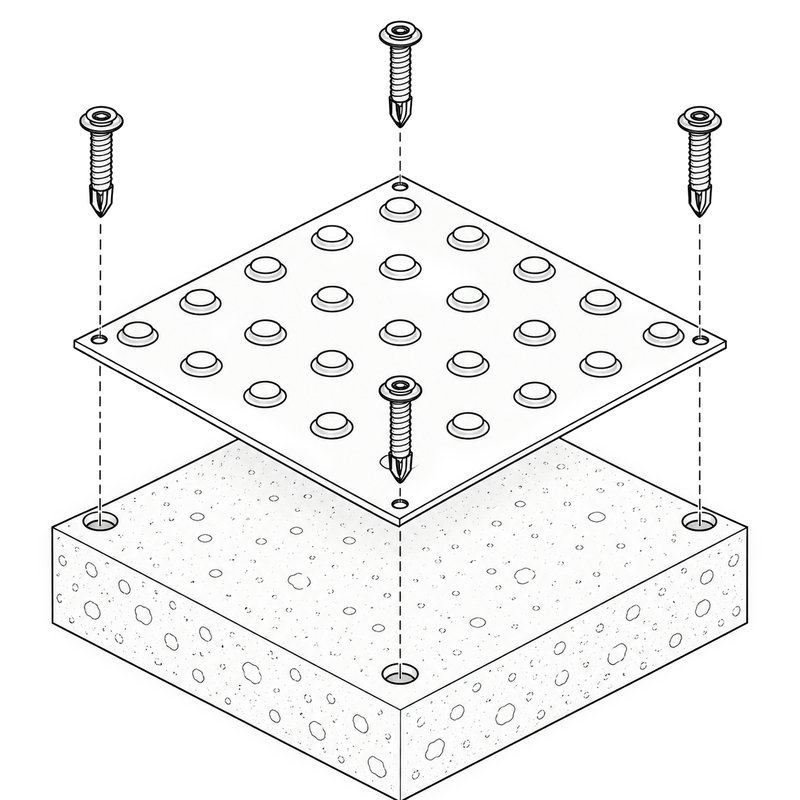
Replaceable detectable warning tiles are cast-in-place systems designed with two primary components: a permanently embedded anchoring system and a replaceable tactile warning tile.
During new concrete construction or reconstruction, the anchor assembly is incorporated into the concrete. If the warning surface later becomes damaged, worn, or requires replacement, the tile can usually be removed and replaced without demolishing the surrounding concrete.
Because the anchoring system remains in place, future maintenance activities can often focus on replacing only the tactile warning surface rather than reconstructing the surrounding pedestrian infrastructure.
Long-Term Benefits of Replaceable Detectable Warning Tile Systems
Infrastructure projects are often expected to remain in service for decades. For municipalities, transportation agencies, universities, airports, healthcare campuses, and commercial property owners, future maintenance can be an important consideration when selecting what kind of detectable warning tile system to use.

Simplified Future Maintenance
Replaceable detectable warning tiles are designed so that, if replacement becomes necessary, the tactile warning surface can typically be replaced without removing and reconstructing the surrounding concrete. This can simplify future maintenance and help preserve adjacent infrastructure.

Reduced Long-Term Disruption
Repairing accessibility features often affects pedestrian traffic and project scheduling. Systems that allow individual tile replacement can help reduce the scope of future repair work and minimize disruptions to sidewalks, curb ramps, transit platforms, and other pedestrian areas.

Lower Lifecycle Costs
While every project is different, reducing the need for concrete demolition and reconstruction may contribute to lower maintenance costs over the life of the installation. Lifecycle costs are often an important consideration alongside initial construction costs, especially for organizations managing numerous pedestrian facilities.

Long-Term Asset Management
Many municipalities and facility owners evaluate infrastructure based on long-term ownership rather than initial installation alone. Replaceable detectable warning tile systems can provide additional flexibility when planning maintenance programs, budgeting for future repairs, and extending the useful life of pedestrian infrastructure.
Common Applications for Replaceable Detectable Warning Tiles
Replaceable systems are commonly used across a variety of public and commercial infrastructure projects where long-term maintenance flexibility is an important consideration.

Transit Platforms & Stations

Municipal Sidewalks & Curb Ramps

Streetscape Improvement Projects

Educational, Healthcare & Commercial Campuses

High-Traffic Pedestrian Areas
Material Options for Replaceable Detectable Warning Tiles
TufTile manufactures replaceable detectable warning tile systems in several material options to accommodate a variety of project requirements and environmental conditions.
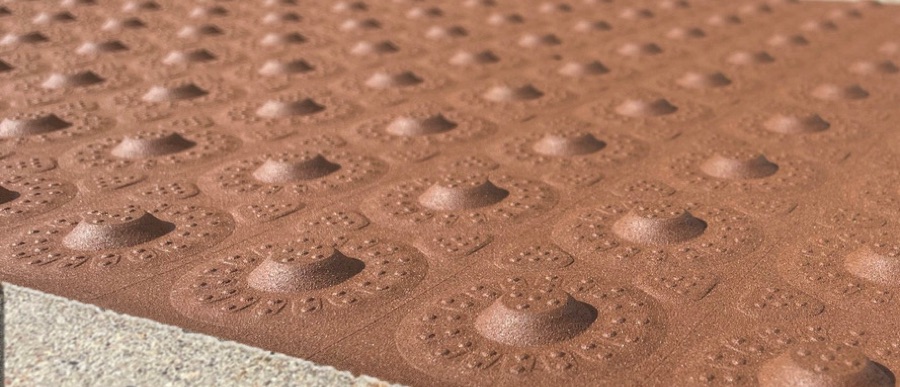
Galvanized Steel
TufTile's replaceable galvanized steel systems utilize G90 galvanized steel for exceptional corrosion resistance and long-term durability. They are well suited for demanding municipal, transportation, and infrastructure applications.
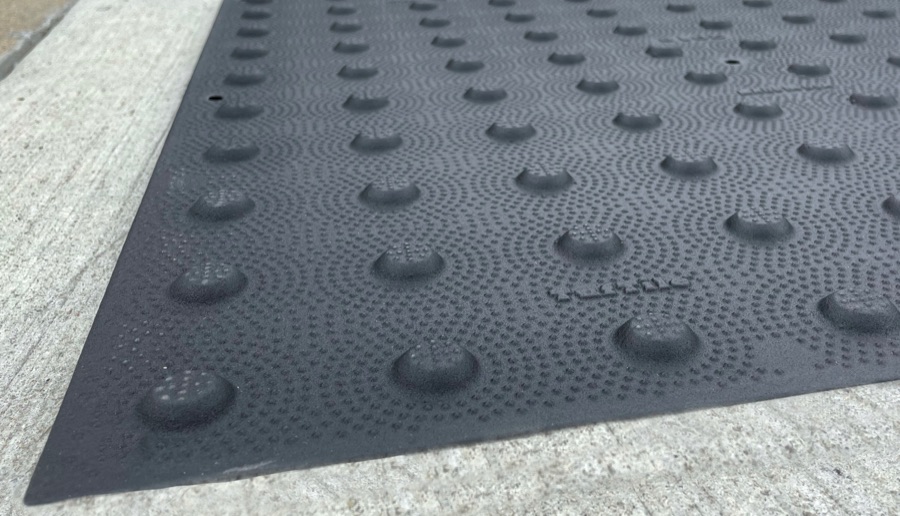
Cast Iron
Cast iron replaceable tiles are designed to withstand some of the harshest weather conditions and demanding pedestrian environments. They are a popular choice for heavy-duty public infrastructure projects.
Polymer
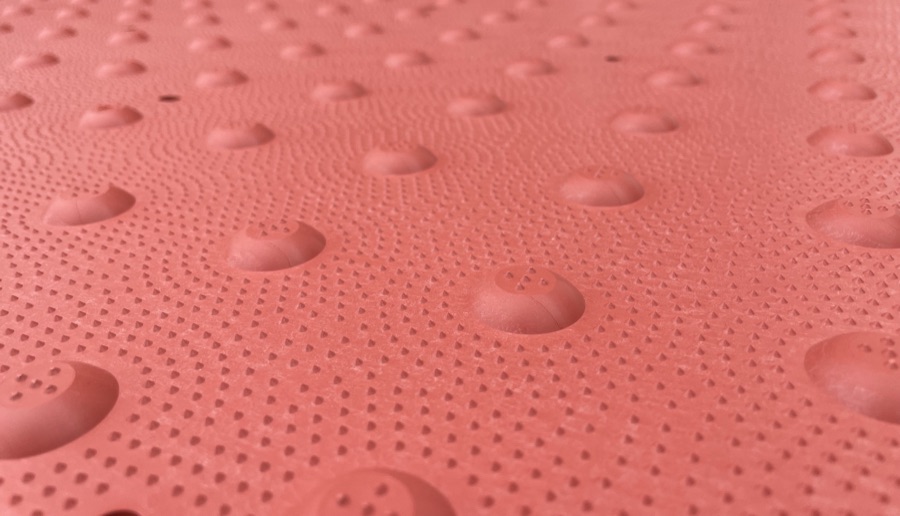
Manufactured using a proprietary resin formulated to resist cracking, chipping, and fading, TufTile's polymer replaceable systems provide a durable, low-maintenance option for a wide range of applications.
Comparing Replaceable and Traditional Embedded Systems
Both replaceable and traditional embedded detectable warning tile systems are designed to provide durable, ADA-compliant tactile warning surfaces. The primary difference is how future maintenance may be approached if replacement becomes necessary.
Planning for Long-Term Performance
Every detectable warning tile system should be evaluated with both current project requirements and long-term performance in mind. While durability and ADA compliance remain fundamental considerations, future maintenance expectations, ownership responsibilities, and lifecycle costs can also influence the most appropriate solution.
For projects where minimizing future repairs and preserving surrounding infrastructure are priorities, replaceable detectable warning tile systems may offer meaningful long-term advantages. By evaluating both immediate construction needs and long-term maintenance objectives, project teams can select a system that supports the overall goals of the project.
Learn More About TufTile Detectable Warning Tile Solutions
See how TufTile’s Complete Tactile Surface System works across different pedestrian environments with our Interactive Streetscape tool.

Planning a Project That Requires Long-Term Maintenance Flexibility?
Whether you're evaluating replaceable detectable warning tile systems for a municipal streetscape, transportation facility, or commercial development, our team can help identify the right solution for your project.
Frequently Asked Questions
Replaceable detectable warning tiles are cast-in-place systems that utilize a permanently embedded anchoring system with a tactile warning surface designed to be replaced if necessary. This approach can simplify future maintenance while preserving the surrounding concrete.
Replacement ADA warning tiles are designed so the installed warning surface can be removed and replaced while the embedded anchoring system remains in place. Specific replacement procedures vary by manufacturer and product design.
Replaceable systems are often evaluated for projects where long-term maintenance, lifecycle costs, and future accessibility improvements are important considerations. They are commonly used in municipal infrastructure, transportation facilities, commercial developments, and institutional campuses.
Many replaceable detectable warning tile systems are specifically designed to allow the tactile warning surface to be replaced if needed without reconstructing the surrounding concrete. Product designs and replacement methods may vary by manufacturer.
TufTile manufactures replaceable detectable warning tile systems in galvanized steel, cast iron, and polymer. Material selection is often based on project requirements, environmental conditions, anticipated traffic levels, and long-term maintenance objectives.