

Galvanized Steel vs. Cast Iron Detectable Warning Tiles: Comparing Performance & Durability
Galvanized steel and cast iron are two of the most durable materials used to manufacture detectable warning tiles. Both are commonly specified for municipal infrastructure, transportation facilities, streetscape improvements, and other high-traffic pedestrian environments where long-term performance is a priority.
While both materials provide ADA-compliant tactile warning surfaces, they differ in areas such as corrosion resistance, weight, installation options, maintenance considerations, and overall project suitability. Understanding these differences can help engineers, contractors, municipalities, and specifiers select the material that best aligns with the project's requirements.
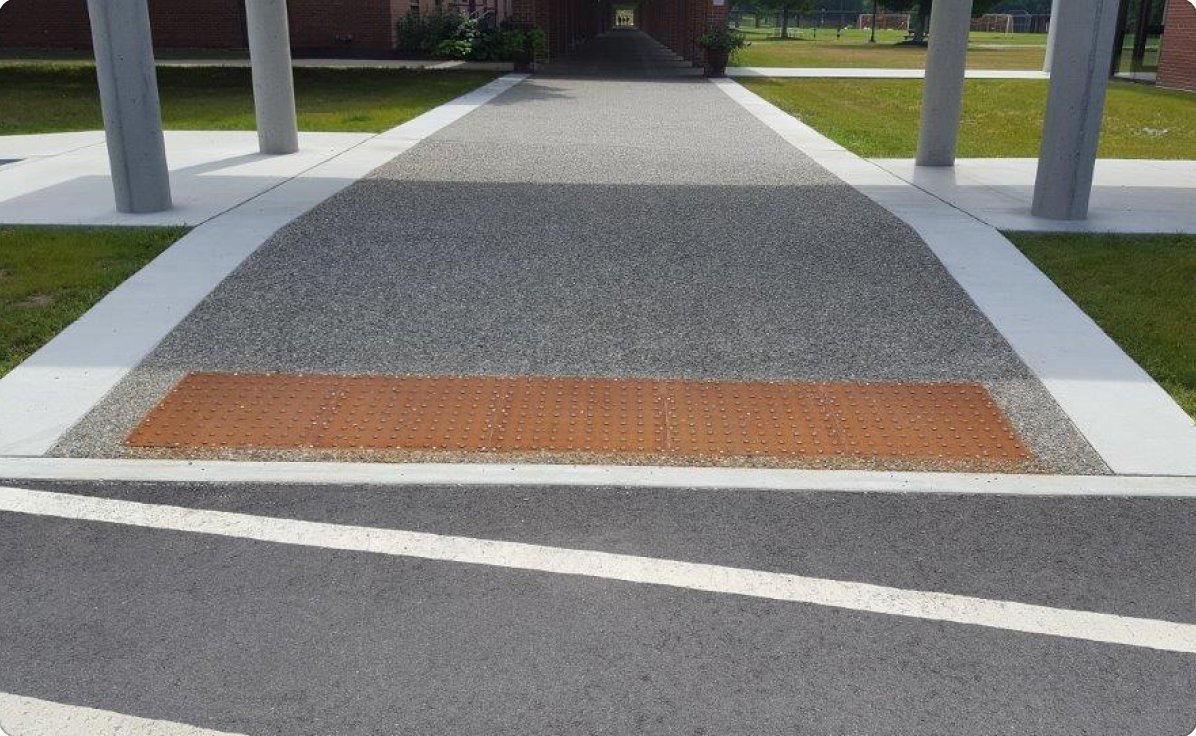
Galvanized Steel vs. Cast Iron at a Glance
Understanding the Differences Between Galvanized Steel and Cast Iron
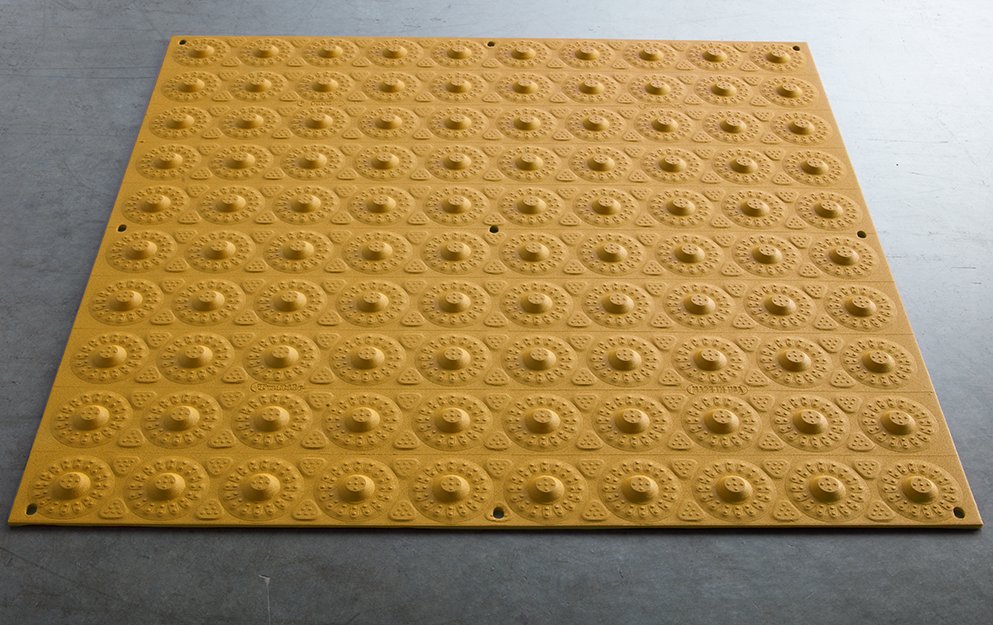
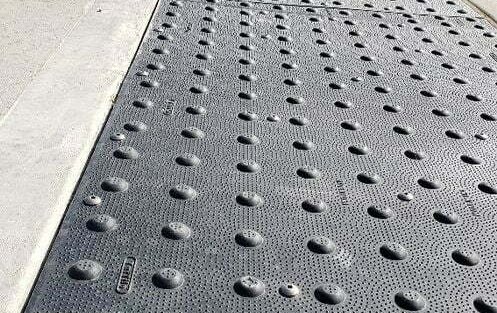
Both galvanized steel and cast iron are engineered for demanding pedestrian environments, but they achieve long-term performance in different ways.
Galvanized steel combines the structural strength of steel with a protective zinc coating that helps resist corrosion. Cast iron relies on its thick, solid construction and exceptional durability to withstand years of service in challenging environments.
Another important distinction is installation flexibility. Galvanized steel tiles are available in both cast-in-place and surface-applied systems, while cast iron tiles are available only as cast-in-place products.
Galvanized Steel Detectable Warning Tiles
Galvanized steel is widely specified for projects requiring durability, corrosion resistance, and installation flexibility.
TufTile manufactures galvanized steel detectable warning tiles using G90 galvanized steel, providing enhanced corrosion protection for long-term performance. Because galvanized steel is available in both cast-in-place and surface-applied systems, it can be specified for both new construction and retrofit projects.
Common Advantages
-
 Available in cast-in-place and surface-applied systems
-
Excellent corrosion resistance
-
Long service life
-
Lower overall weight than cast iron
-
Suitable for new construction and retrofit projects
-
Low-profile beveled design
Cast Iron Detectable Warning Tiles
Cast iron has been used in public infrastructure for decades because of its exceptional durability and ability to withstand demanding environments.
Because cast iron detectable warning tiles are installed as cast-in-place systems, they are most commonly specified for new construction and reconstruction projects where concrete is already being placed. Their robust construction makes them well suited for transportation facilities, municipal infrastructure, and other demanding pedestrian environments where long service life is a priority.
Common Advantages
-
Exceptional durability
-
Designed for demanding environments
-
Excellent long-term performance
-
Well suited for heavy pedestrian traffic
-
Commonly specified for transportation and municipal infrastructure
-
Available in replaceable systems
Key Factors When Comparing Galvanized Steel and Cast Iron

Installation Method
One of the biggest differences between these materials is installation flexibility. Because galvanized steel is available in both cast-in-place and surface-applied systems, it can often be specified across a wider range of project types. Cast iron, by comparison, is limited to cast-in-place installations, making it best suited for projects involving new concrete placement or reconstruction.

Corrosion Resistance
Both materials are designed for long-term outdoor use but protect against corrosion in different ways. Galvanized steel utilizes a protective zinc coating, while cast iron's solid construction has made it a long-standing choice for demanding outdoor environments.

Weight and Handling
Galvanized steel is generally lighter than cast iron, which may simplify transportation and handling during installation. Cast iron's greater mass contributes to its reputation for durability but may influence installation logistics depending on the project.

Appearance
Galvanized steel and cast iron each offer a distinct appearance that may influence material selection on some projects. Galvanized steel provides a clean metallic finish, while cast iron offers a classic appearance that may complement certain municipal, transportation, or streetscape applications.
Where Galvanized Steel and Cast Iron Are Commonly Specified
Both galvanized steel and cast iron are frequently specified for projects where durability and long-term performance are priorities.
Common Applications for Galvanized Steel

Municipal sidewalks and curb ramps

Transportation facilities

Streetscape improvements

Retrofit accessibility projects

Commercial developments
Common Applications for Cast Iron

New municipal infrastructure

Transit platforms and stations

Heavy-duty public works projects
Streetscape reconstruction

Historic or civic improvements
Choosing the Right Material for Your Project
Galvanized steel and cast iron each offer distinct advantages and have proven themselves in demanding pedestrian environments. By evaluating installation requirements, project specifications, environmental conditions, and owner preferences, project teams can confidently select the material that best supports their project's long-term objectives.
Learn More About TufTile Detectable Warning Tile Solutions
See how TufTile’s Complete Tactile Surface System works across different pedestrian environments with our Interactive Streetscape tool.

Need Help Choosing Between Galvanized Steel and Cast Iron?
Whether you're comparing materials for a transportation project, municipal streetscape, or commercial development, our team can help you identify the right solution for your application.
Frequently Asked Questions
Galvanized steel uses a protective zinc coating to resist corrosion and is available in both cast-in-place and surface-applied systems. Cast iron is a heavy-duty material available only as a cast-in-place system and is commonly specified for new construction and reconstruction projects.
Both galvanized steel and cast iron are designed for long-term performance in demanding pedestrian environments. The most appropriate choice depends on project requirements, environmental conditions, installation needs, and owner preferences.
No. Cast iron detectable warning tiles are manufactured only as cast-in-place systems. If a project requires a surface-applied installation, galvanized steel or polymer are the available options.
TufTile's galvanized steel detectable warning tiles are manufactured with G90 galvanized steel to provide enhanced corrosion resistance and long-term durability in demanding outdoor environments.
Both materials are widely used in transportation and municipal infrastructure. Galvanized steel offers greater installation flexibility, while cast iron is often selected for new construction projects where a traditional, heavy-duty material is preferred.
Yes. TufTile offers both galvanized steel and cast iron in replaceable detectable warning tile systems, allowing the warning surface to be replaced without removing the surrounding concrete if future maintenance is required.