

Best Detectable Warning Tiles: Comparing Systems, Materials & Applications
If you're searching for the best detectable warning tiles, you're probably comparing products for an upcoming project. The challenge is that there isn't a single system that's best for every application. The right solution depends on a number of factors that are often different from project to project, such as installation method, material, project type, long-term maintenance goals, and owner requirements.
Rather than having a definitive ranking, experienced engineers, contractors, and specifiers compare available options to determine which system is best for their particular project.
This guide provides a side-by-side look at the most common detectable warning tile systems, materials, and applications to help you evaluate your options.
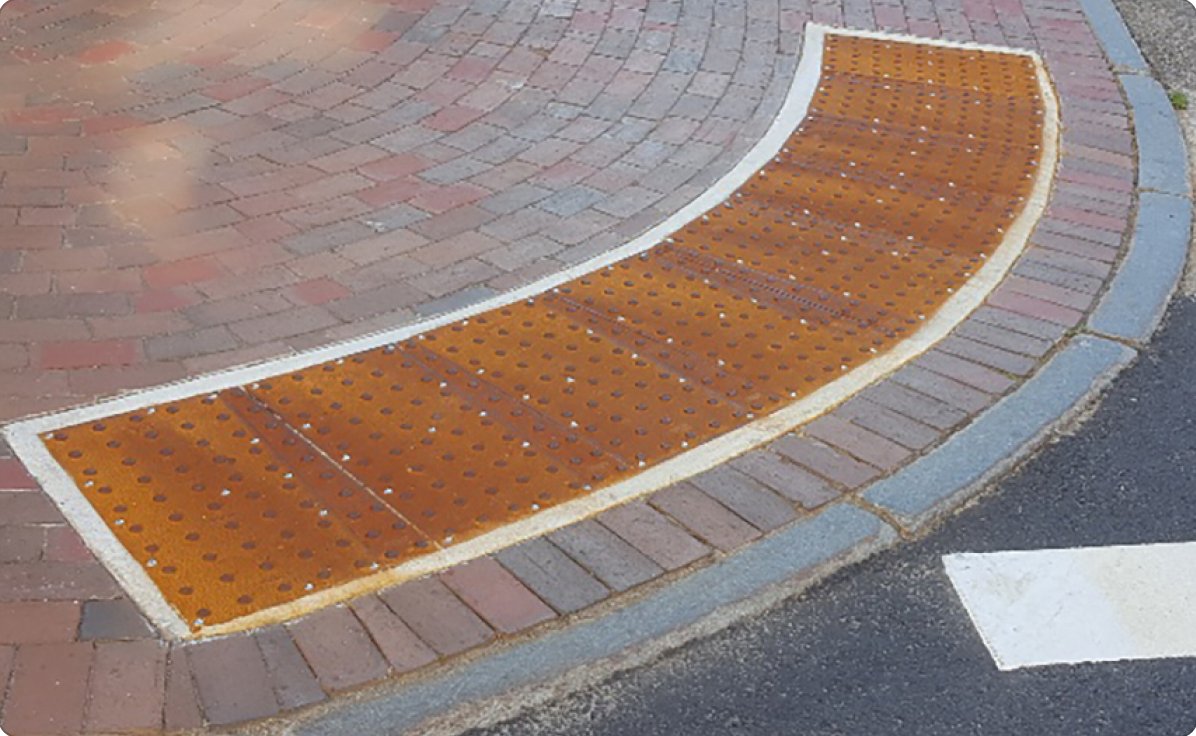
What Makes the Best Detectable Warning Tiles?
The best detectable warning tile system is one that best meets the unique requirements of your project. Rather than focusing on a single feature, project teams often evaluate several characteristics together, including:
-
 ADA compliance
-
Installation method
-
Material characteristics
-
Long-term durability
-
Maintenance expectations
-
Environmental conditions
-
Project specifications
-
Owner priorities
A system that performs exceptionally well in one environment may not be the best choice for another. Comparing these factors together provides a more complete picture than evaluating any one feature by itself.
Best Detectable Warning Tile Systems Compared
Each installation method serves a different purpose. Rather than asking which system is best overall, determine which installation approach best fits your project.
Best Detectable Warning Tile Materials Compared
Each material offers different strengths. Galvanized steel provides installation flexibility and corrosion resistance, cast iron is often evaluated for demanding infrastructure applications, and composite offers lightweight construction with multiple color options.
Best ADA Warning Tiles by Project Type
Different project types often prioritize different characteristics when comparing detectable warning tile systems. The examples below are intended as general guidance; every project should be evaluated based on its own requirements, specifications, and long-term goals.
Which Detectable Warning Tile System Is Best for Your Priorities?
If your project places greater emphasis on one objective than another, the comparisons below can help guide your evaluation.
Characteristics of the Best ADA Warning Tiles
While every project is different, high-quality detectable warning tile systems typically share several important characteristics:
-
Designed to meet applicable ADA accessibility requirements
-
Durable materials engineered for long-term outdoor performance
-
Reliable anchoring systems that promote long-term stability
-
Installation options suited to a variety of project types
-
Corrosion-resistant materials appropriate for exterior environments
-
Consistent manufacturing quality
-
Long-term maintenance planning options
-
Engineering resources and technical support
Side-by-Side Comparison Summary
 *
*Replaceable systems may be appropriate depending on the installation type.
Which Detectable Warning Tile Is Right for Your Project?
There isn't one detectable warning tile that's best for every project—and that's actually a good thing. The wide range of systems, materials, and configurations available today allows project teams to select a solution that closely matches their installation requirements, maintenance goals, environmental conditions, and project specifications.
Comparing systems, materials, and applications together provides a more informed starting point than evaluating any one feature on its own.
Learn More About TufTile Detectable Warning Tile Solutions
See how TufTile’s Complete Tactile Surface System works across different pedestrian environments with our Interactive Streetscape tool.

Need Help Comparing Detectable Warning Tile Options?
Whether you're evaluating systems, materials, or project requirements, our team can help you compare available options and identify the detectable warning tile solution that best fits your project.
Frequently Asked Questions
There is no single detectable warning tile that's best for every project. The best solution depends on installation requirements, project specifications, material preferences, environmental conditions, and long-term maintenance goals.
The best ADA warning tiles are those that meet applicable accessibility requirements while supporting your project's installation method, performance expectations, and long-term objectives.
The three primary detectable warning tile system types are cast-in-place, surface-applied, and replaceable systems. Each offers distinct advantages depending on the project.
Galvanized steel, cast iron, and composite materials each offer different characteristics. The most appropriate material depends on the needs of the project rather than a universal ranking.
Projects where future maintenance planning is an important consideration may benefit from evaluating replaceable systems alongside traditional installation methods.
Compare installation methods, material characteristics, maintenance expectations, project applications, and owner requirements together rather than focusing on a single feature.